Last Updated on: 7th April 2026, 09:02 am
If you’ve searched online about root canals, or your dentist has told you that you need one, you may have come across scary claims claiming that they can cause cancer or other serious diseases. It’s completely normal to feel worried when you read this kind of information, especially when it involves your health.
The truth is that these claims are not supported by science. Major health organizations like the American Dental Association (ADA), the World Health Organization (WHO), the American Association of Endodontists (AAE), and the Canadian Cancer Society have found no link between root canal treatment and cancer or any other general disease.
In this article, you will learn what a root canal really is, where this myth started, what the science actually says, and how this treatment can help protect your natural tooth and overall health.
What is a root canal? understanding the procedure step by step
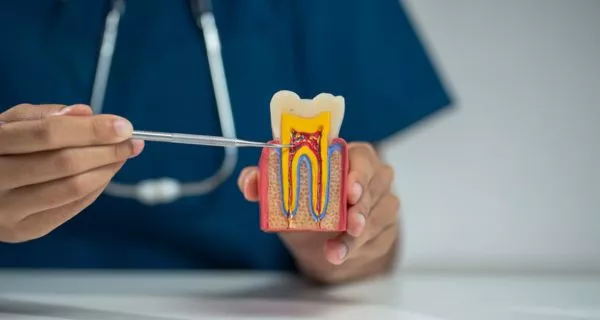
A root canal, also called endodontic treatment, is a routine dental procedure designed to save a tooth that has been severely damaged by decay, trauma, or infection.
Rather than extracting the tooth, the dentist or endodontist (a root canal specialist) removes the infected or inflamed tissue inside the tooth, cleans and disinfects the inner canal, and then seals it to prevent reinfection.
The three layers of a tooth
To understand why a root canal is sometimes necessary, it helps to know the anatomy of a tooth:
- Enamel: the hard outer shell and the strongest substance in the human body
- Dentin: the layer beneath the enamel that provides structural support
- Dental pulp: the innermost soft tissue containing nerves, blood vessels, and connective cells, running through the root canals inside each root
When decay or injury reaches the dental pulp, bacteria enter and cause an infection. Left untreated, this infection can spread into the jawbone and surrounding tissues, creating a dangerous, and potentially life-threatening, dental abscess.
Warning signs that you may need a root canal

- persistent, throbbing toothache, especially when biting or chewing
- prolonged sensitivity to hot or cold that does not go away after the stimulus is removed
- swelling, redness, or a pimple-like bump on the gum near the tooth
- tooth discoloration (darkening)
- a cracked or chipped tooth that becomes painful
- loose tooth in an adult with no apparent cause
If you experience any of these symptoms, contact your dentist promptly. Early treatment almost always means a simpler procedure and better outcome.
What happens during the procedure
The root canal procedure typically involves:
- local anesthesia to completely numb the area
- placement of a rubber dam to keep the tooth dry and sterile
- creating a small opening in the crown of the tooth
- removing infected pulp tissue and shaping the canals
- thorough disinfection with antimicrobial irrigants
- filling the canals with a biocompatible material called gutta-percha
- placing a crown or restoration to protect the tooth long-term.
Most modern root canals are completed in one or two visits and cause no more discomfort than having a filling placed.
The cancer myth: where did it come from?
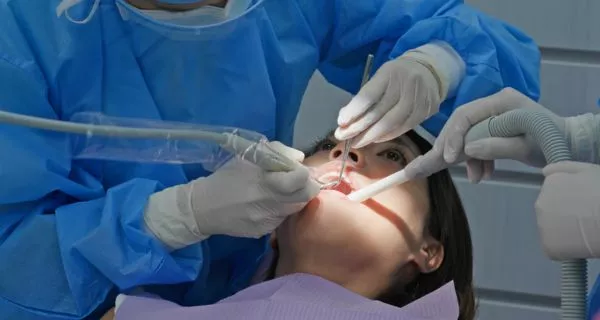
The idea that root canals cause cancer is an old myth that has been completely rejected by modern science.
1920s: the beginning of the myth
A dentist, Dr. Weston A. Price, suggested that bacteria trapped in treated teeth could release toxins into the body and cause cancer and other diseases.
He even performed animal experiments to support this idea. However:
- His studies were poorly designed.
- They were not properly controlled.
- Other scientists could not reproduce his results.
- His conclusions were later rejected by the scientific community.
For many years, this theory was no longer accepted in dentistry or medicine. It was considered outdated and scientifically invalid.
2019: The myth returns
A documentary called Root Cause brought back these old claims and suggested a link between root canals and cancer, claiming that 97% of breast cancer patients had a root-canaled tooth on the same side as their tumor. However:
- The film did not use peer-reviewed scientific evidence.
- Its claims were not supported by real medical studies
The international dental and medical community responded swiftly. The AAE, the ADA, and dental organizations from Australia, New Zealand and Latin America, all issued formal statements condemning the documentary’s claims as scientifically false. In fact, Netflix subsequently removed the film from its platform.
What science actually says: the evidence is clear
No link to cancer
Scientific research is very clear on this topic: a root canal treatment does not cause cancer.
Trusted health organizations agree:
- The Canadian Cancer Society states clearly: “There is no evidence that root canals cause cancer.”
- The American Cancer Society confirms that no scientific evidence supports the claim that root canals cause cancer or other systemic diseases.
- Major organizations like the ADA, WHO, and AAE also report no connection between root canals and cancer or other systemic diseases
After decades of research, the conclusion is the same: there is no credible link.
What the research shows
In fact, studies do not show any increased cancer risk from root canals.
- A major 2013 study published in JAMA found no higher cancer risk in patients with root canals.
- Patients who had multiple root canals even showed a slightly lower risk of certain head and neck cancers.
This is the opposite of what the myth suggests.
Modern root canals are highly successful

The modern root canal treatment is a well-studied and very successful procedure:
- Success rates are around 82%–92% depending on the criteria used.
- Long-term studies show tooth survival up to 97% at 10 years and 81% at 20 years.
- Millions of treatments are performed every year safely.
Modern dentistry also uses sterile and single use instruments, advanced disinfecting solutions, digital imaging and biocompatible filling materials, making today’s root canals very different from outdated techniques used in the past by Price.
The correlation vs. causation problem
A common misunderstanding is thinking that because someone has had a root canal and develops cancer, one must have caused the other.
But this is not true:
- Root canals are extremely common (millions per year).
- Cancer is also common in the general population.
- Many people will naturally have both at some point in life.
This does NOT mean one causes the other. It’s like saying haircuts, aspirin, or eating pizza cause cancer, just because people with cancer have also done those things.
Four persistent myths about root canals

Myth 1: root canals are extremely painful
Reality: This is one of the biggest misconceptions, and it’s completely outdated.
- Modern anesthesia makes the procedure comfortable.
- Most patients say it feels similar to getting a filling.
- The real pain comes from the infection, not the treatment.
In short: Root canals are done to relieve pain, not cause it.
Myth 2: it is better to remove the tooth
Reality: Saving your natural tooth is usually the best option.
- Replacing a missing tooth (implant, bridge, denture) is more expensive and complex.
- Tooth loss can lead to bone loss in the jaw.
- Nearby teeth can shift and affect your bite and appearance.
Whenever possible, dentists recommend keeping the natural tooth.
Myth 3: root canals cause Alzheimer’s disease
Reality: There is no scientific evidence supporting this claim.
- Studies show no link between root canals and Alzheimer’s.
- The bacteria involved are normal oral bacteria.
- They are not capable of causing neurological diseases.
In short: This is a myth with no medical basis.
Myth 4: The tooth becomes “dead” and harmful
Reality: The tooth continues to function normally.
- Only the inner nerve tissue is removed.
- The tooth is still supported by bone and surrounding tissues.
- With a proper crown, it can last for many years.
In short: A treated tooth is functional and safe.
These myths are common, but not true. Modern root canal treatment is safe, effective, and designed to protect your natural tooth
Prevention and daily care

The best way to avoid a root canal is to take care of your oral health every day. Simple habits help prevent deep cavities and infections.
Dentists recommend:
- brushing your teeth at least twice a day
- flossing daily to clean between teeth
- visiting your dentist every 6 months
- treating any pain or sensitivity early
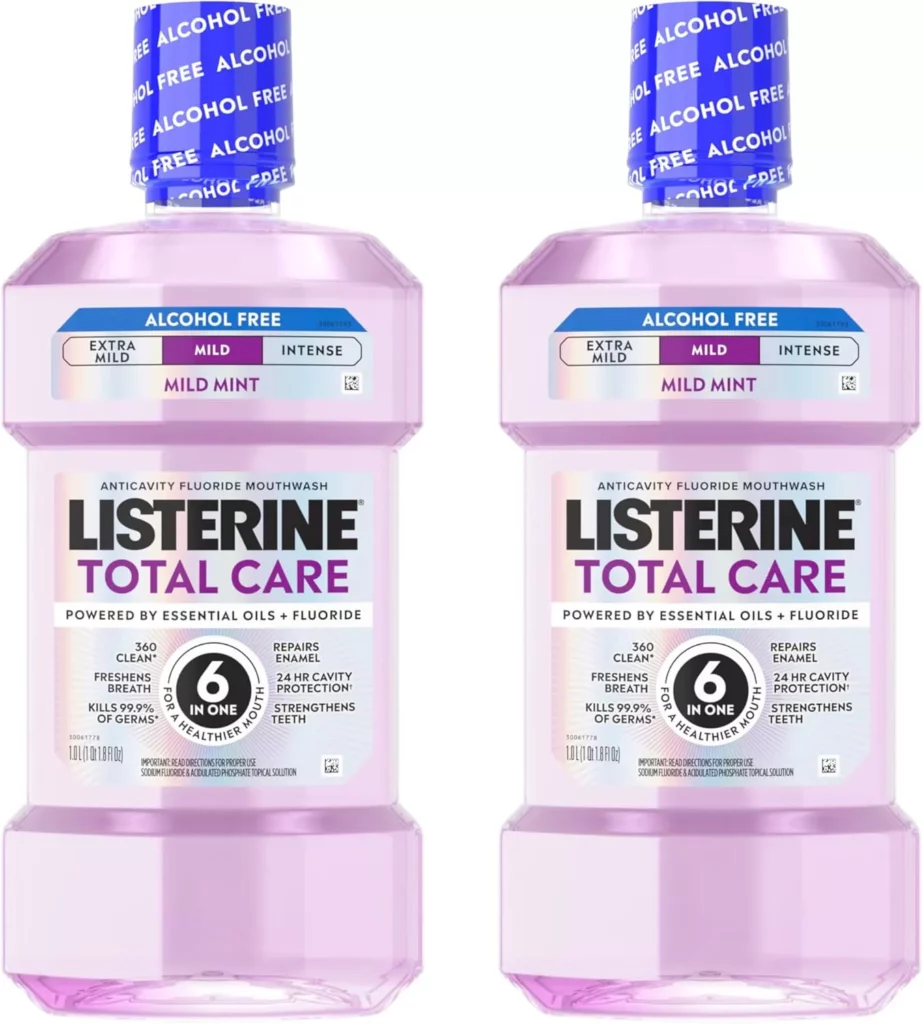
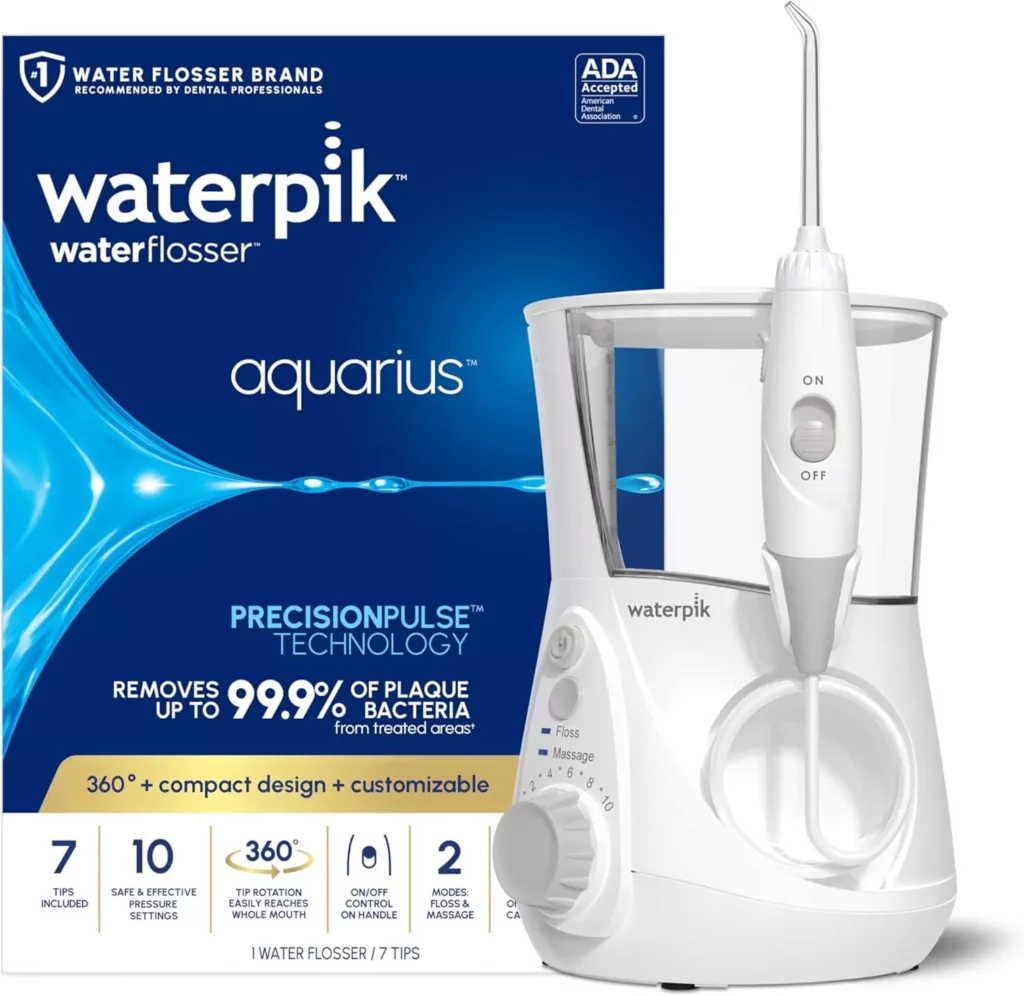
You can support your routine with products like mouthwash, electric toothbrushes, or water flossers to improve cleaning and reduce bacteria.
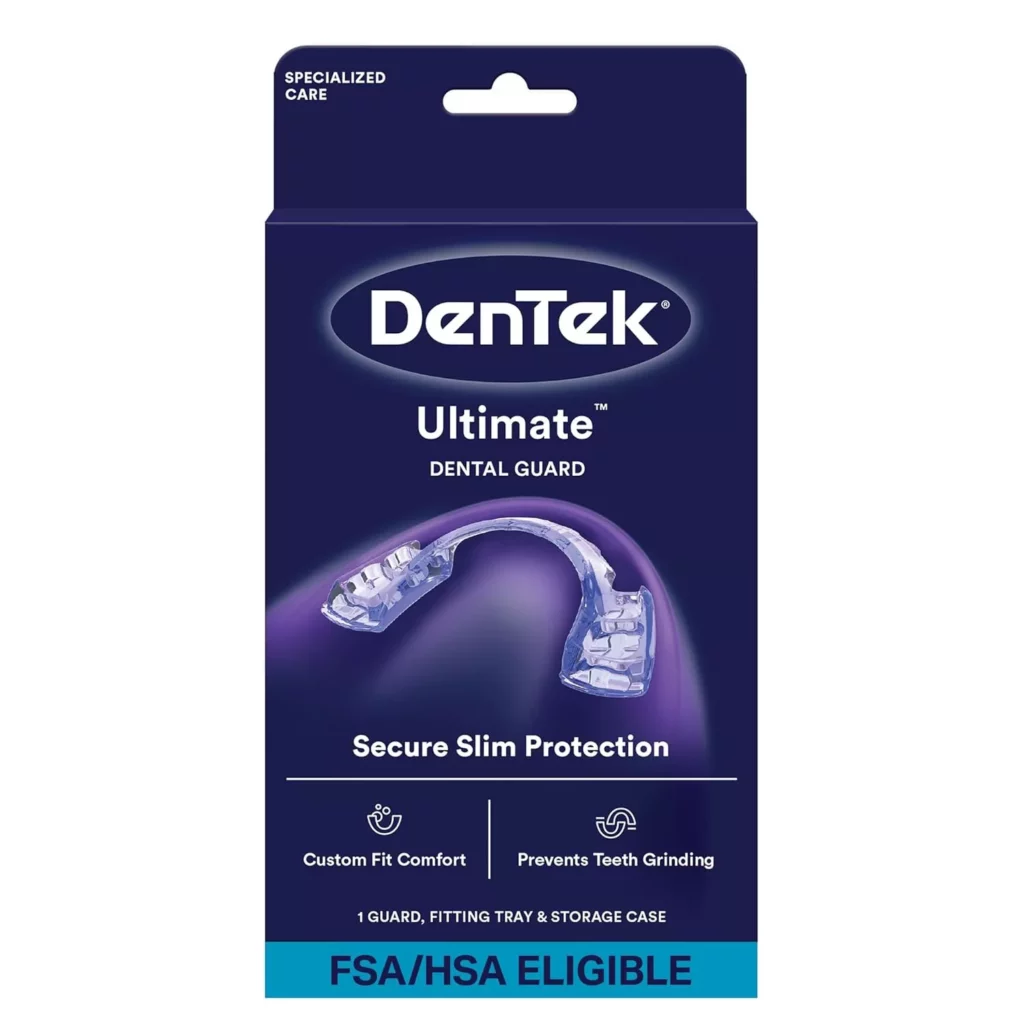
If you play sports, always wear a mouthguard, especially in contact or high-impact activities. This helps prevent dental injuries and may avoid more complex treatments like root canals.
Take the next step for your dental healthStill have questions about root canals or dental treatment?
Schedule a consultation with a trusted dental professional today, or explore more expert dental health articles to keep learning.
Note: These recommendations are for informational and supportive oral hygiene purposes only. They are not medical prescriptions. Always consult your dentist before making changes to your oral care routine.