
Last Updated on: 16th January 2026, 06:47 am
A new year is a great moment to think about self-care. Many people plan to eat better, exercise more, or manage stress. But oral health is often forgotten, even though it affects how we feel and look, and our daily comfort.
A healthy mouth is more than a nice smile. It lets you eat your favorite foods without pain, speak clearly, and feel confident. This year, you can leave unhealthy habits behind and start a simple routine that keeps your smile strong.
What does a healthy smile really mean?
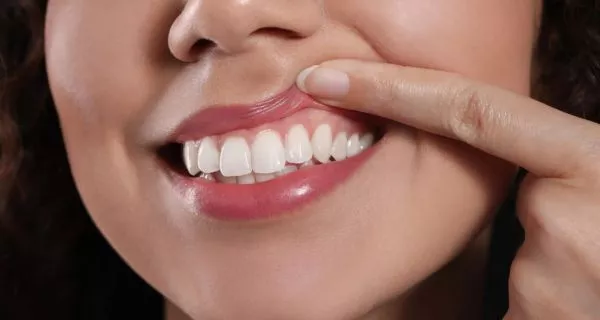
A healthy smile is not only about white or straight teeth. It means:
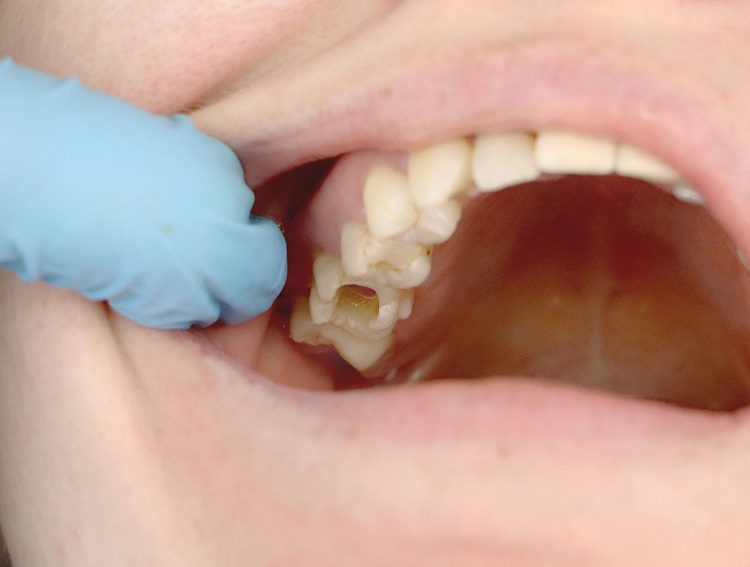
- teeth that are strong, with no cavities or cracks
- gums that are pink, not swollen or bleeding
- the breath is fresh
- eating and speaking are comfortable and pain-free
When your mouth feels good, simple things like laughing, chatting, or chewing are easy. When problems start, they can slowly make daily life uncomfortable or stressful.
Why should oral care be a New Year’s resolution?
Your mouth affects your whole body. Small issues, like sensitive teeth or bleeding gums, can lead to bigger health problems when ignored.
Even though we rarely include oral care in our resolutions, in 2026 it is time to make it a priority. This will help you:
- avoid cavities and gum disease.
- prevent more expensive treatments later.
- reduce inflammation that can affect other parts of your body.
- feel confident smiling and talking with others.
Big changes are not necessary. Small and repeated actions each day create long-lasting results.
How is oral health connected to the rest of the body?
A healthy mouth does more than make your smile look nice. It affects your overall well-being and the body in ways you might not think about. Taking care of your teeth and gums can benefit the body in several ways:
- Reduce chronic inflammation: When gums are swollen or bleed, inflammation can spread through the body and affect your health.
- Lower the risk of infections in the body: Harmful bacteria in the mouth can travel to other parts of the body when oral hygiene is poor.
- Support heart and metabolic health: Gum problems and untreated oral infections can affect the heart and blood sugar.
- Improve digestion by helping you chew better: Healthy teeth and gums make it easier to eat and break down food. Chewing well allows the body to absorb nutrients more efficiently, supplying you with more energy and supporting overall health.
To take care of your oral health, look at three main areas: lifestyle, diet, and preventive care. Each of these areas affects the others, and together they create a strong foundation for a healthy smile and a healthier body.
How do lifestyle habits affect your smile?

- Manage stress and sleep well: Stress and lack of sleep can affect your gums and teeth, making them weaker and more sensitive.
- Exercise regularly: Physical activity improves circulation, which helps your gums stay healthy.
- Avoid harmful habits: Smoking or grinding your teeth can damage enamel and gums.
- Protect your teeth: Using a night guard can prevent damage from teeth grinding and reduce jaw pain.
Small daily habits in your lifestyle support your smile and overall health.
How does diet influence oral health?
- Eat foods rich in calcium and vitamins: Milk, cheese, leafy greens, and nuts strengthen teeth and gums.
- Limit sugar and acidic foods: Candy, soda, and acidic drinks feed the bacteria that cause cavities and gum problems.
- Drink plenty of water: Water washes away leftover food and bacteria, keeping your mouth clean.
- Choose healthy snacks: Fruits, vegetables, cheese, and nuts benefit both your smile and overall health.
Healthy eating and proper oral care together make the biggest impact.
What is the role of preventive care?

- Visit your dentist regularly: Checkups allow dentists to detect problems early, when treatment is easier and cheaper.
- Professional cleaning: Dentists remove hardened plaque and tartar that brushing alone cannot.
- Check gums and bite: Regular exams help prevent serious problems with your teeth and jaw.
- Guidance and advice: Dentists recommend the best brushing and flossing techniques, tools, and products.
- Long-term benefits: Preventive care saves time, money, and discomfort while supporting your daily habits and diet.
By combining healthy lifestyle habits, proper diet, and preventive care, you create a system that supports your teeth, gums, and overall health. Each part works together, helping you maintain a strong, healthy smile and feel better every day.
What daily habits help you to keep your smile healthy?

The key to a healthy smile is your daily routine. What you do every morning and night matters more than the treatments you get sometimes. Our tips:
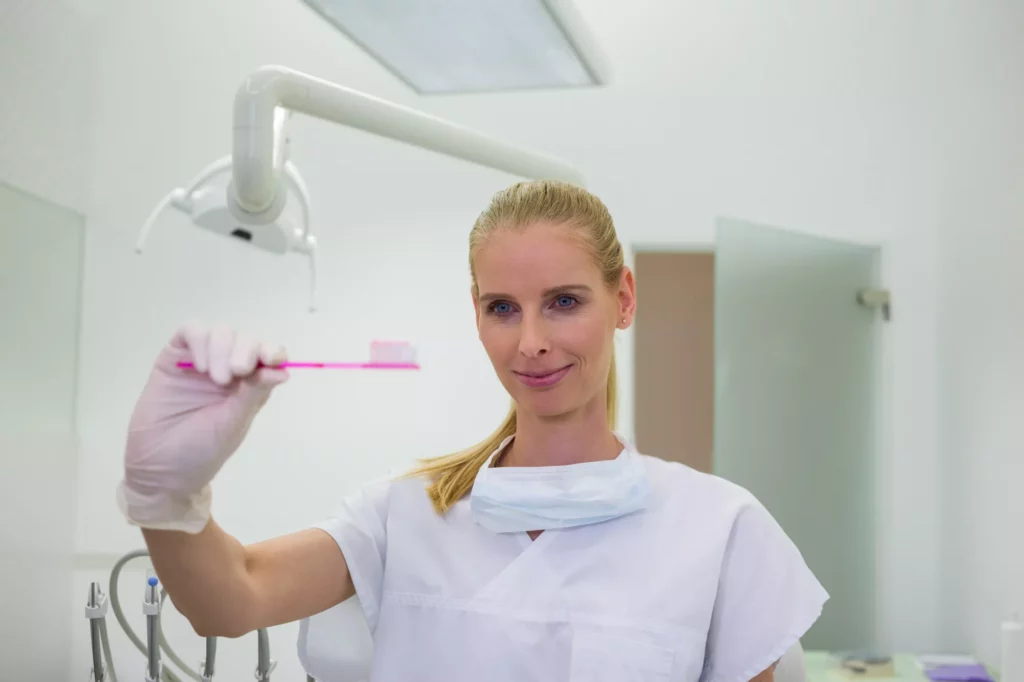
- Brush twice a day with the right technique: While this is very important, also choose the right toothbrush. Soft-bristle brushes clean well without hurting your enamel or gums.
- Use fluoride toothpaste: It helps strengthen teeth and prevents cavities.
- Floss every day: Many people skip this, but it is the only way to clean between teeth where the brush cannot reach.
- Use alcohol-free mouthwash: It helps control bacteria and keeps your breath fresh, especially if your gums are sensitive.
- Drink enough water and limit sugary or acidic snacks and drinks: Simple changes like these make your routine more effective.
What builds a healthy smile is consistency, and practice small steps every day to take care of your teeth and gums.
How can families build healthy habits together?

Habits are learned at home. When dental care becomes a family routine, it is easier to keep it going for a long time.
- Brush together and set fixed times: Doing it at the same time each day helps everyone remember.
- Teach children from a young age: Showing the importance of daily care creates a positive attitude toward oral health.
- Lead by example: Encourage and celebrate effort and consistency, rather than only correcting mistakes.
Simple routines, changing your toothbrush when it wears out, using the right products, and visiting the dentist regularly make dental care a natural part of life.
A new year to care for your smile
Making healthy habits for your smile is one of the best resolutions for 2026. It is not about big changes, but small, conscious choices that, over time, bring confidence, comfort, and peace of mind.
At World of Dentistry, you can find reliable guides, practical tips, and educational content to help you care for your teeth and build lasting habits for a stronger, healthier smile.
This year, make oral care a lifestyle, not just a resolution.