Last Updated on: 20th March 2026, 07:05 am
Most of us have caught ourselves studying our smile in the mirror and thinking it could look a bit brighter. That feeling is completely normal. Everyday habits like drinking coffee, tea, or wine, along with the natural effects of time, can dull the shine of our teeth. While that’s part of life, wanting to refresh your smile is perfectly understandable.
That’s where activated charcoal comes in. It has surged in popularity across social media feeds, drugstore shelves, and online marketplaces. Black toothpaste, charcoal powder, charcoal brushes, the options seem endless. But does it actually work, or is it just another passing trend?
At World of Dentistry, we believe in giving you clear, honest guidance. Let’s take a closer look in a way that’s simple, practical, and free of hype.
How does activated charcoal work on teeth?
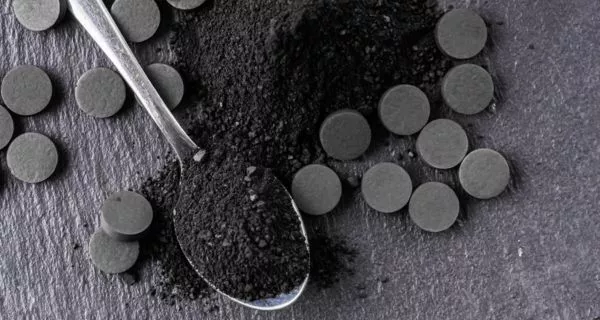
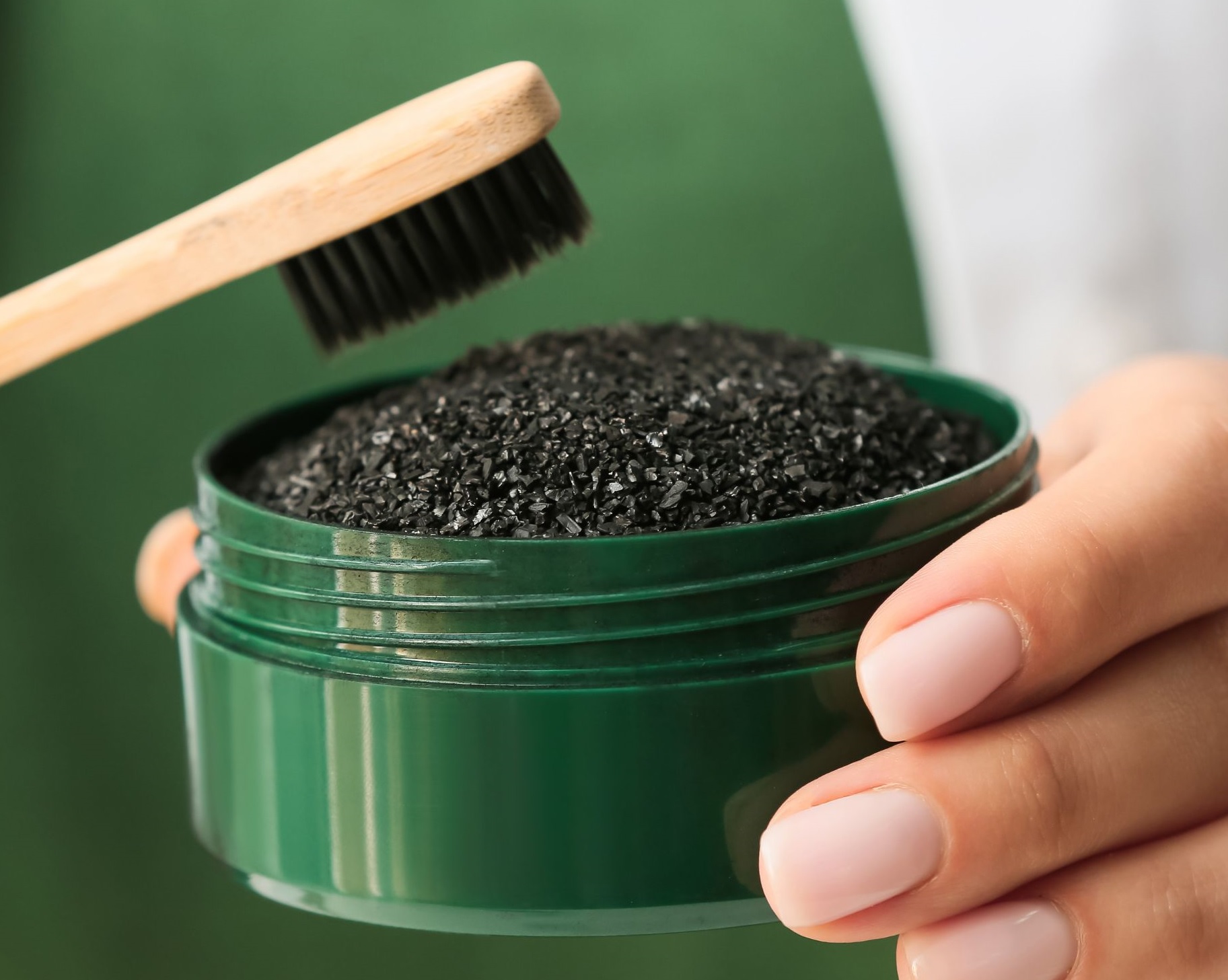
Activated charcoal isn’t the same stuff you use for a barbecue. It’s made by burning materials like coconut shells or wood at very high temperatures, creating a substance full of tiny pores, almost like a microscopic sponge.
Those pores act like a magnet for pigments sitting on the outer surface of your teeth. When you brush with it, the charcoal traps those pigments and carries them away when you rinse.
This is the basic principle behind charcoal and teeth whitening: it helps remove surface stains but cannot reach the inner layers of your teeth or change their natural color.
What stains can activated charcoal remove?
What it CAN help with:
- Coffee and dark drinks
- Black or green tea
- Red wine
- Light cigarette stains on the surface
- Strongly pigmented foods like curry or tomato sauce
What it CANNOT remove:
- Yellow or gray tones that come from inside the tooth
- Stains caused by certain antibiotics (like tetracyclines)
- Color changes from natural aging
- Fluorosis (white spots from too much fluoride in childhood)
If your stains fall into that second list, a professional whitening treatment is the right call.
What does science actually say?
Here’s where we keep it real. Recent studies (2024–2025) show mixed, and mostly modest, results:
- A 2024 clinical trial in the Journal of Dentistry found charcoal products whitened less effectively than 10% carbamide peroxide, a peroxide formula commonly used in professional dental treatments.
- A systematic review reported that charcoal toothpastes are often more abrasive than regular toothpaste, yet provide less whitening.
- A 2025 study showed slight improvement in the first two weeks, but results quickly plateaued and did not match a 6% hydrogen peroxide whitening pen.
Charcoal may offer minimal surface stain removal, but peroxide-based treatments remain the gold standard for noticeable whitening.
Is activated charcoal safe for your teeth?
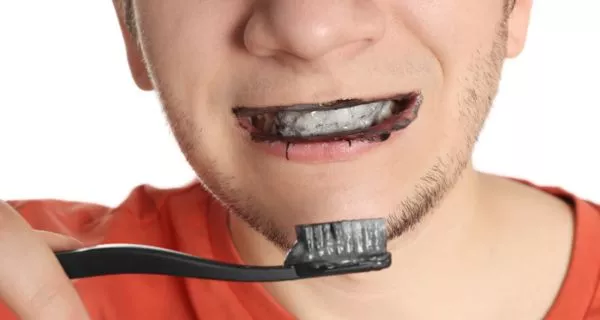
It can be safe, if used correctly and in moderation. Because charcoal works by physically scrubbing away surface stains, improper use can create problems over time. This is why understanding charcoal and teeth whitening is important before adding it to your routine.
What precautions should you take?
- Limit use to 1–2 times per week to reduce enamel wear.
- Brush gently with a soft-bristled toothbrush, no aggressive scrubbing.
- Do not leave it on overnight, this increases enamel damage and gum staining risk.
- Continue using fluoride toothpaste daily, since many charcoal products do not contain fluoride.
- Avoid use if you have braces, veneers, bonding, or multiple restorations, as particles can get trapped or cause uneven wear.
- Not recommended for children, whose enamel is thinner and more vulnerable.
Possible side effects with overuse include enamel erosion, increased tooth sensitivity, and temporary staining of gums or dental work.
Does activated charcoal actually have benefits?
When used in moderation and the right way, activated charcoal does offer some genuine perks:
- Removes visible surface stains from daily habits
- Leaves your mouth feeling deeply clean
- A more natural option for those avoiding strong chemicals
- Affordable and easy to find
- May help freshen breath by absorbing odor-causing bacteria
What it doesn’t do is bleach teeth internally. Unlike peroxide-based professional whitening treatments, charcoal does not change the intrinsic color of enamel, it only polishes surface stains.
How should you use activated charcoal properly?
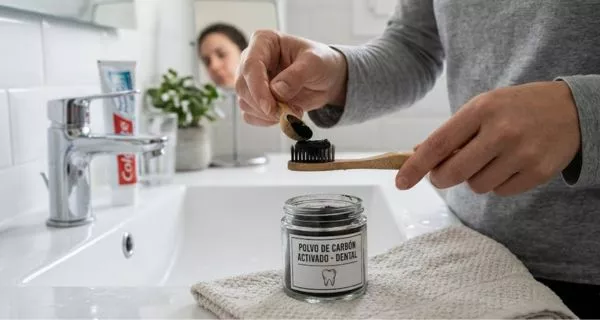
If you choose to try it, follow this simple method:
- Wet your toothbrush and apply a small amount of charcoal toothpaste or powder.
- Brush gently in circular motions for about 2 minutes.
- Spit and rinse thoroughly to remove all residue.
- Follow with a fluoride toothpaste if your charcoal product doesn’t contain fluoride.
Used occasionally and carefully, charcoal may offer mild stain removal. Used too often, it can do more harm than good.
Which activated charcoal products are worth trying?
If you’re considering charcoal for stain removal, some formats are safer and more practical than others. Here’s how they compare:
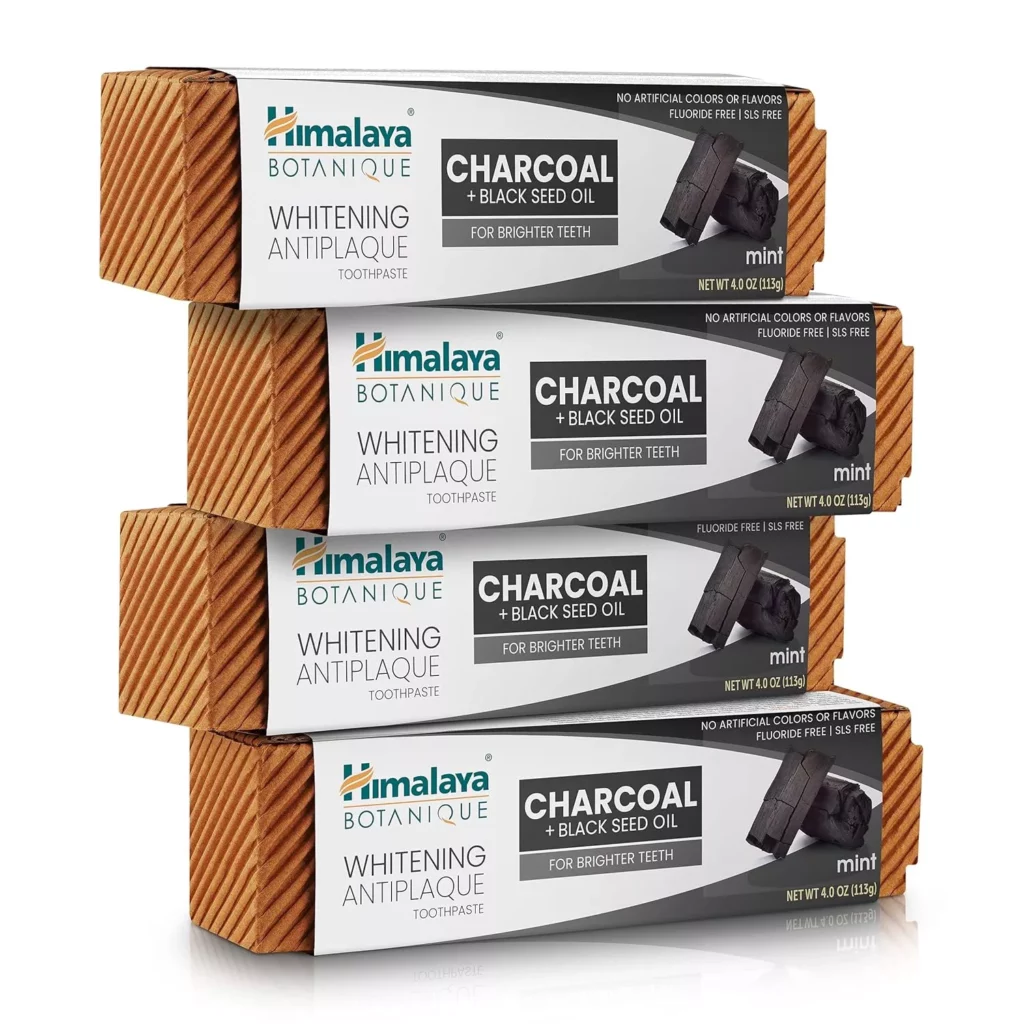
Charcoal toothpaste
This is the lowest-risk way to incorporate charcoal into your routine.
- Choose a formula that contains fluoride so you don’t lose cavity protection.
- The texture should feel smooth, not gritty or sandy.
- Best for occasional surface stain maintenance.
For most people, this is the most balanced option.
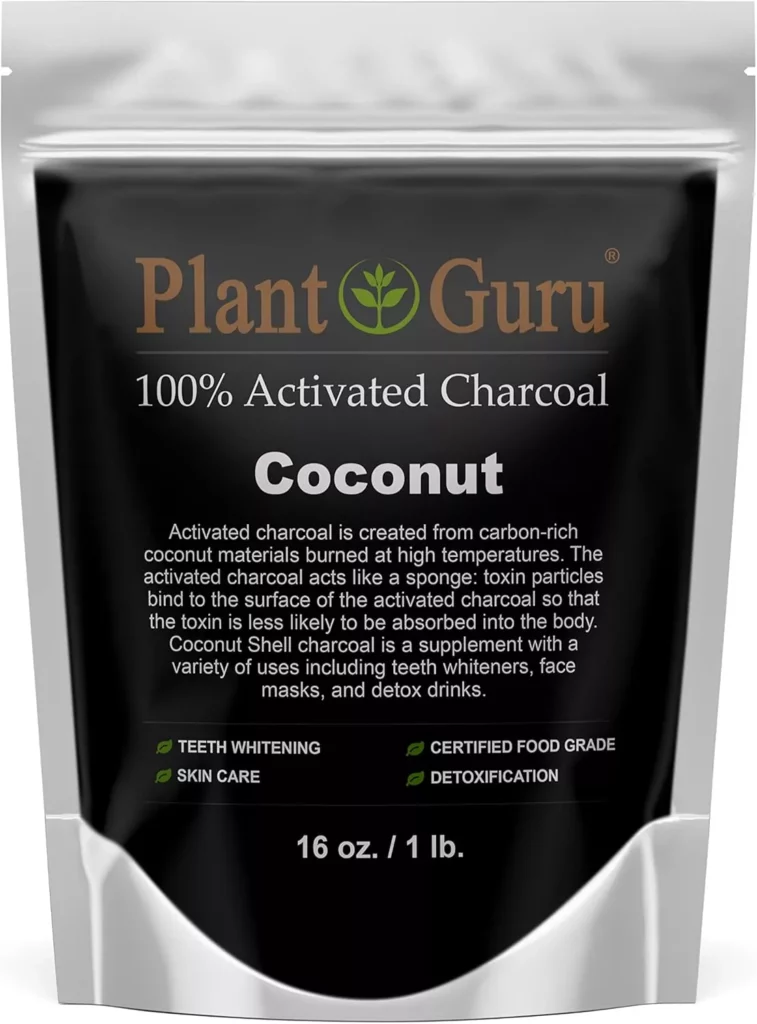
Charcoal powder
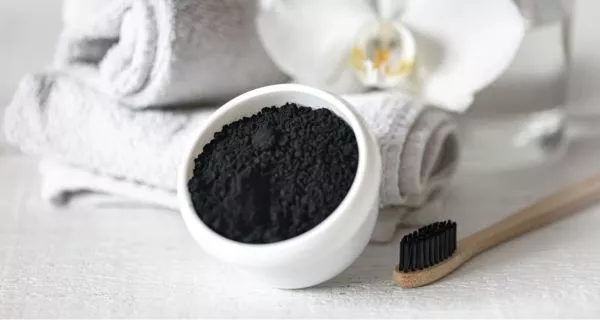
More concentrated than toothpaste, and typically more abrasive.
- Can be slightly more effective on surface stains.
- Also carries a higher risk of enamel wear if overused.
- Coconut-based activated charcoal is often considered a gentler option.
- Use a very small amount, with a very wet, soft-bristled brush.
- Limit use to 2–3 times per week max.
This option requires more caution and careful technique.
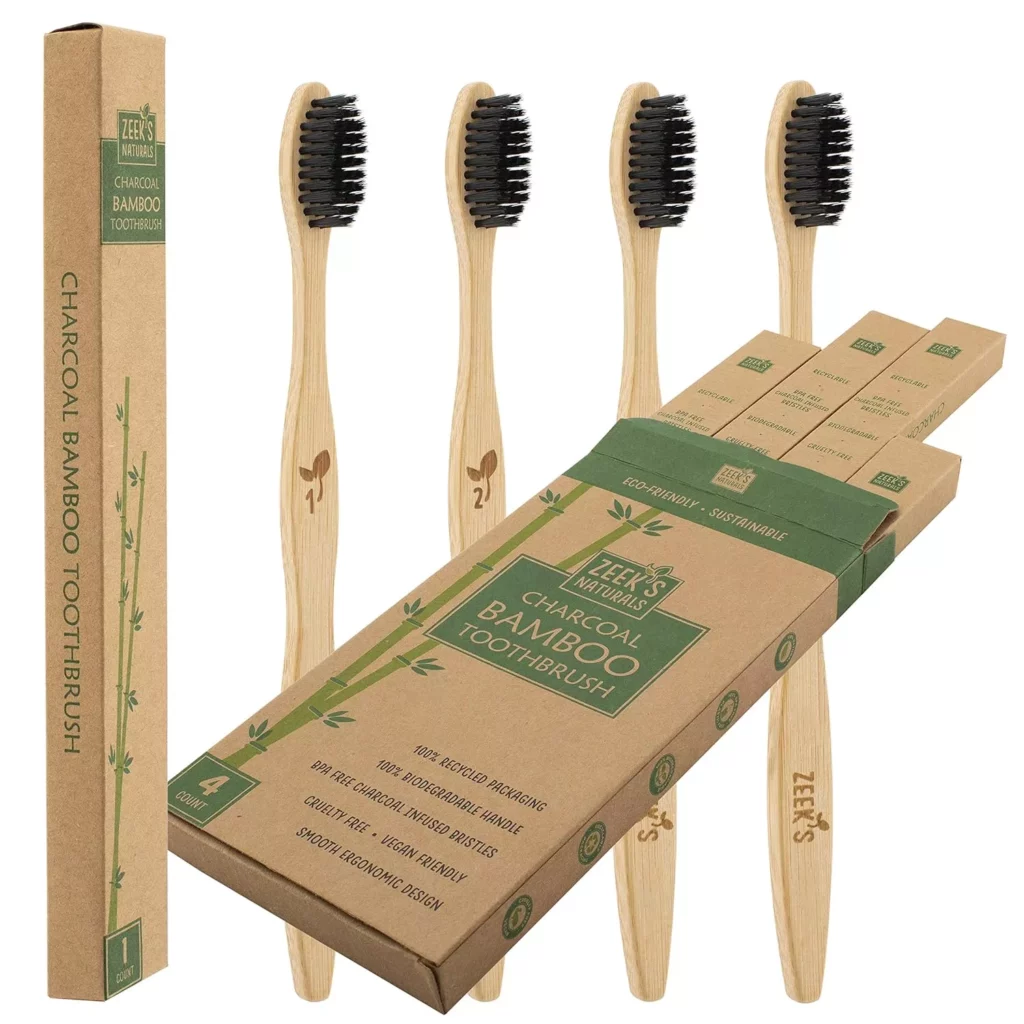
Charcoal toothbrushes
These brushes contain charcoal-infused bristles, sometimes marketed for antimicrobial benefits.
- The most important feature is extra-soft bristles, always prioritize softness.
- Any antimicrobial effect is mild and secondary.
- The brush itself does not whiten teeth; it’s simply a delivery tool.
Softness matters far more than charcoal infusion.
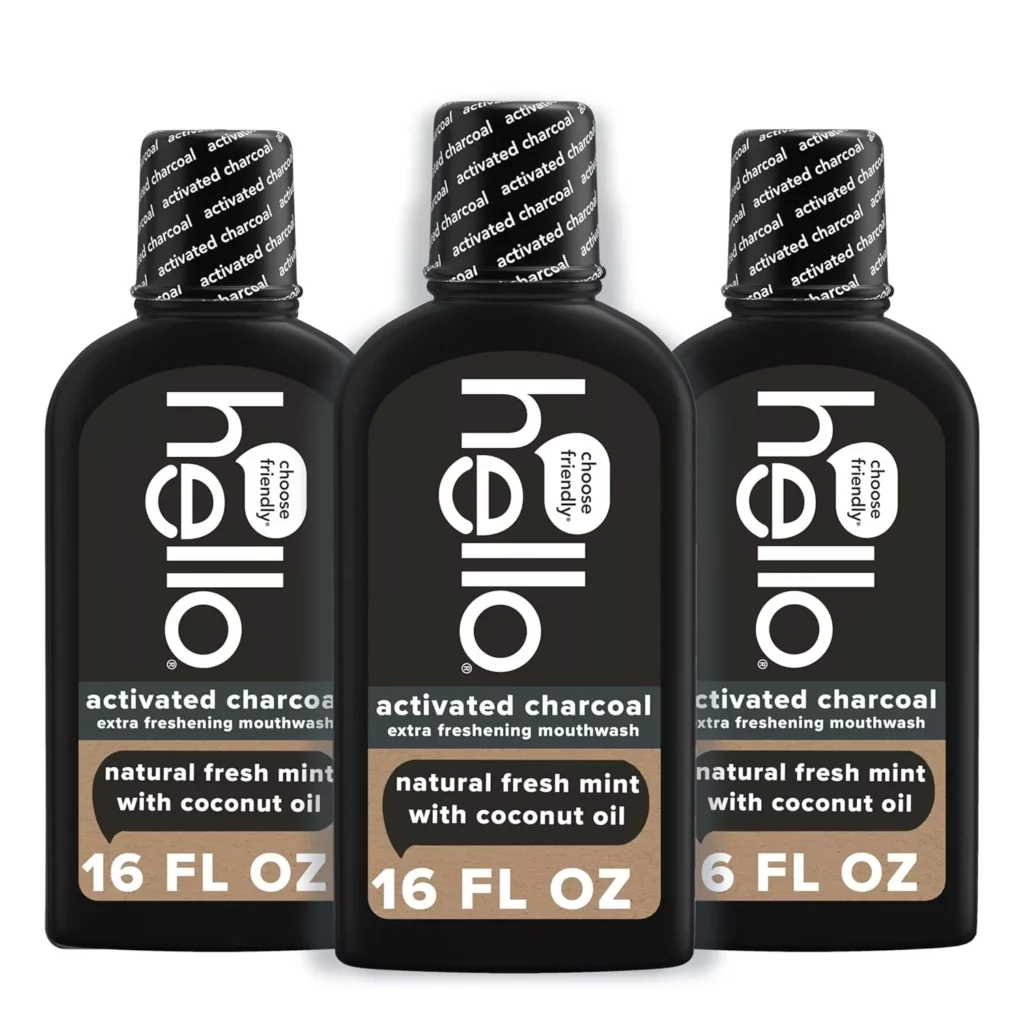
Charcoal mouthwashes
Despite marketing claims, charcoal mouthwash does not significantly whiten teeth.
- Whitening effects from rinsing alone are minimal.
- Better suited for freshening breath.
- If choosing one, look for alcohol-free formulas with simple, natural ingredients.
What should you look for when buying charcoal products?

Before purchase:
- Look for real user reviews.
- Avoid products with artificial black dyes (true activated charcoal has a natural matte finish).
- Choose smooth textures over gritty formulas.
- If using a fluoride-free charcoal product, always pair it with your regular fluoride toothpaste daily.
When it comes to charcoal and teeth whitening, gentler and less frequent use is usually the smarter approach.
So, is activated charcoal worth trying?
If you have light surface stains from coffee, tea, or wine and want a natural, affordable option; yes, it’s worth a try. Just use it smartly: not every day, with a soft brush, and always alongside your regular fluoride toothpaste.
It’s not a miracle. But it’s not a scam either. It’s a simple tool that works best when you keep your expectations realistic.
And remember, the most beautiful smile isn’t just a white one. Healthy gums, no cavities, and consistent care are what really make the difference.