Last Updated on: 6th April 2026, 07:43 am
Have you ever felt a sharp pain under your tongue that makes it uncomfortable to eat, speak, or even swallow? That discomfort may come from a small piece of tissue called the lingual frenulum, the thin band that connects your tongue to the floor of your mouth. When it becomes irritated, it can cause real, everyday discomfort.
No matter how it started, maybe you bit your tongue, noticed recurring mouth sores, or have always felt your tongue is a bit tight, this is something many people experience.
Here, we’ll walk you through it in a simple way: what might be causing the pain, what you can do at home to feel better, when it’s important to see a dentist, and how easy, modern treatments can quickly get you back to eating, speaking, and smiling without discomfort.
What is the lingual frenulum and why does it matter?
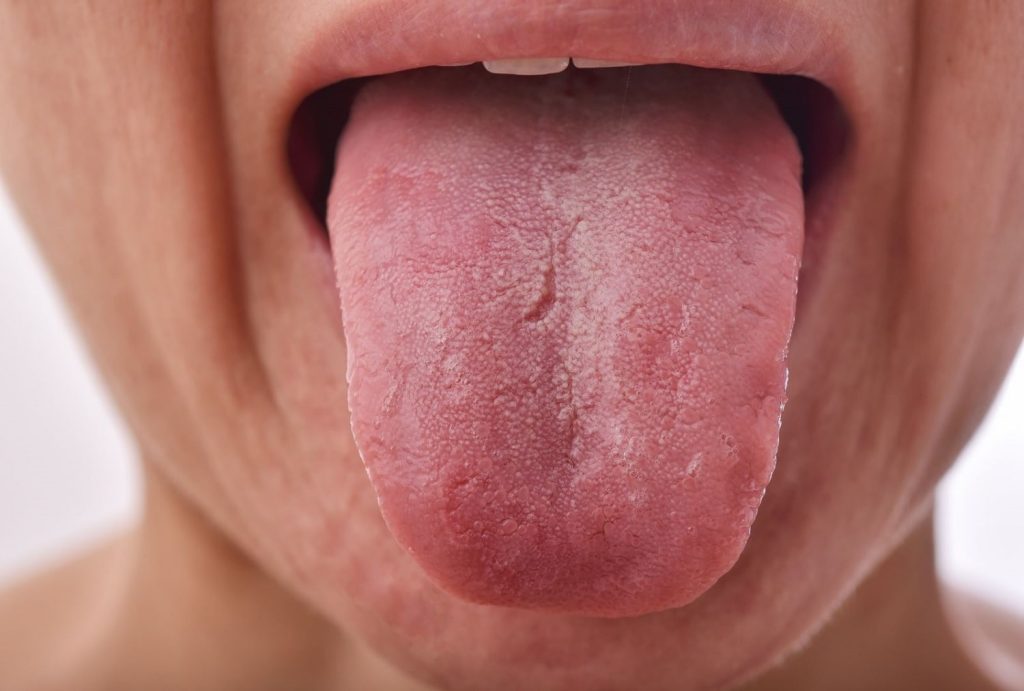
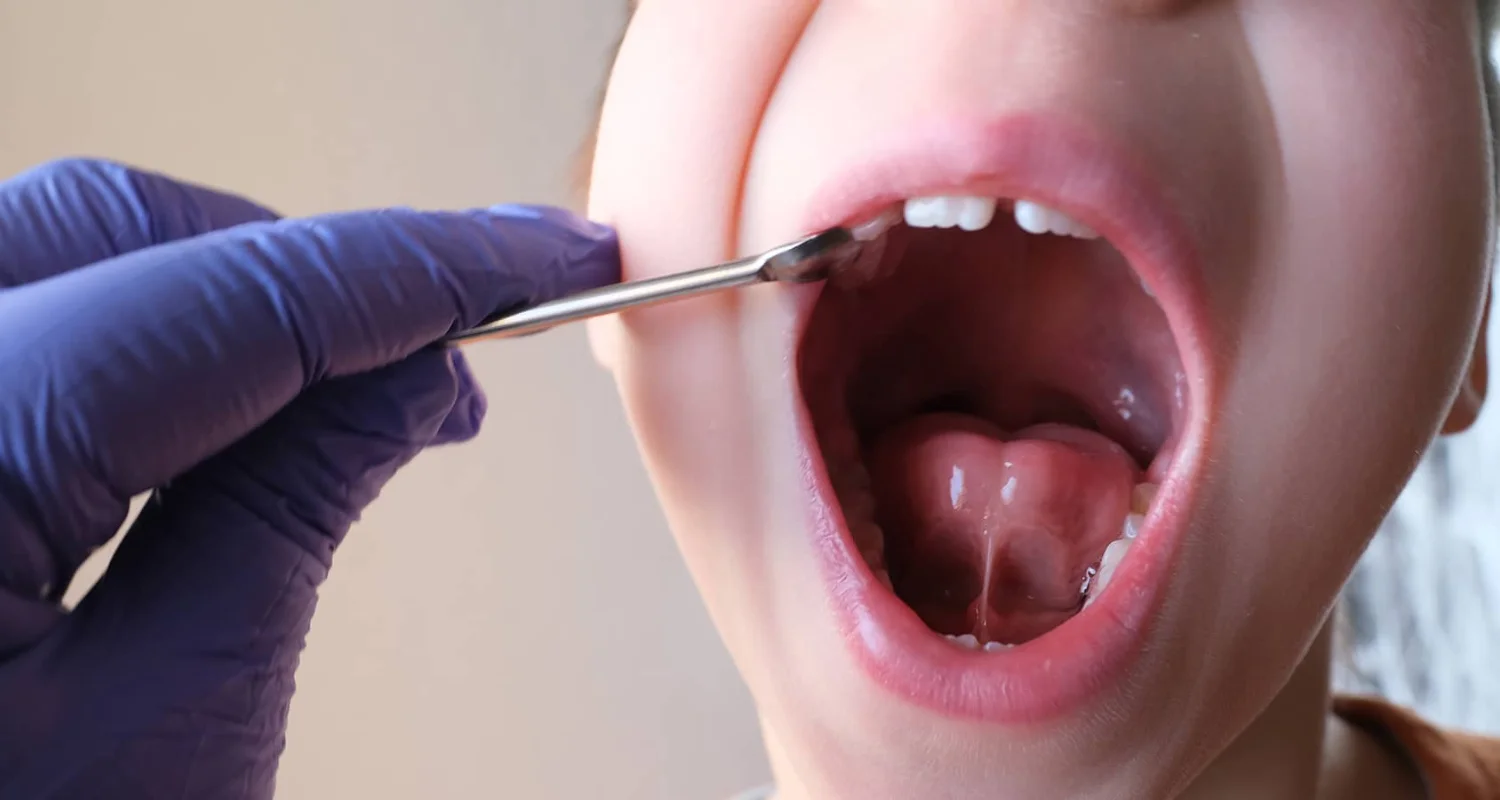
The lingual frenulum is a thin fold of mucous membrane located under your tongue. It anchors the tongue to the floor of the mouth and plays a key role in movement, allowing you to speak clearly, chew food, and swallow comfortably. Despite its small size, when this tissue becomes irritated or restricted, the impact on daily life can be significant.
The three types of oral frenula
Your mouth actually contains three frenula, small connective tissue bands, each with its own job:
- Lingual frenulum: Runs under the tongue to the floor of the mouth. Governs tongue mobility for speech, chewing, and swallowing.
- Labial frenulum: Connects the inner lip to the gum. Keeps your lips anchored in their natural position.
- Buccal frenulum: Links the cheeks to the gums. Distributes pressure evenly across oral tissues.
Of the three, the lingual frenulum is the most likely to cause pain or restrict movement, especially when it is unusually short, tight, or becomes inflamed.
What causes a sore lingual frenulum? 5 common reasons

Understanding the root cause of your discomfort is the first step toward effective relief. Here are the five most common culprits:
Physical trauma or irritation (most common)
Small injuries can easily irritate this sensitive area:
- Accidentally biting your tongue
- Eating sharp or crunchy foods (chips, crackers, hard candy)
- Stretching your tongue too much (like during dental treatment)
- Repetitive habits like pushing your tongue against your teeth
Key fact: About 30% of mouth injuries treated in the U.S. involve soft tissues like this.
Short or tight frenulum (Tongue-tie / Ankyloglossia)
This happens when the frenulum is shorter, thicker, or tighter than normal:
- Limits how much your tongue can move
- Creates constant tension and discomfort
- Can affect speaking, eating, or swallowing
Ankyloglossia affects approximately 4–11% of newborns and can persist undiagnosed into adulthood, causing ongoing discomfort and functional limitations.
Types (from mild to more restrictive):
- Type I: Thin, elastic frenulum attached at the very tip of the tongue, visible and easy to diagnose.
- Type II: Thin, elastic frenulum attached 2–4 mm behind the tongue tip, still near the front, but slightly less obvious.
- Type III: Thick, rigid frenulum attached at the mid-tongue and the floor of the mouth, significantly restricts movement.
- Type IV: Hidden under the tissue, not visible but feels tight
Infections and oral ulcers
Infections can make the area swollen and painful:
- Fungal infections (like oral thrush)
- Viral infections (like herpes)
- Bacterial infections after a small cut
These infections produce redness, swelling, warmth, and sometimes visible ulcers or white patches near the frenulum.
Poor oral hygiene
When plaque and bacteria accumulate in hard-to-reach areas, the tissue surrounding the frenulum can become chronically irritated.
In individuals with a tight lingual frenulum, limited tongue mobility makes it especially difficult to clean the lower front teeth and the floor of the mouth, creating a cycle where restricted movement leads to poor hygiene, which in turn causes more irritation and pain.
Dental appliances
Braces, retainers, night guards, and partial dentures can create friction or point pressure against the frenulum. Over time, repeated contact with ill-fitting or improperly adjusted appliances can cause localized soreness and even small abrasions in the frenulum tissue.
If you have recently started wearing a new dental device and noticed frenulum pain, that appliance is the likely culprit.
How to relieve a sore lingual frenulum at home

If your pain is mild and there are no signs of infection or structural issues, these five evidence-informed home remedies can provide meaningful relief:
- Warm salt water rinse: Dissolve one teaspoon of salt in 8 ounces of warm water. Rinse gently for 30 seconds, 2–3 times per day. Salt water reduces bacteria, draws out inflammation, and accelerates soft-tissue healing.
- Cold compress: Wrap a few ice cubes in a clean cloth and apply gently under the tongue for 5–10 minutes at a time. Cold narrows blood vessels, which reduces swelling and numbs pain. Never apply ice directly to mucous membranes for extended periods.
- Honey application: Dab a small amount of raw or medical-grade honey directly onto the sore area. Honey contains hydrogen peroxide and has documented antibacterial and anti-inflammatory properties that support tissue healing.
- Coconut oil pulling: Swish one tablespoon of coconut oil around your mouth for up to 10 minutes, focusing on the area beneath your tongue. Coconut oil contains lauric acid, which has antimicrobial effects. Spit it out and rinse with warm water.
- Chamomile tea rinse: Brew chamomile tea, let it cool to a comfortable temperature, and use as a mouth rinse. Chamomile contains the compound apigenin, which has demonstrated anti-inflammatory and mild analgesic effects in oral tissue research.
⚠️ When to stop home remedies
If your pain does not improve within 7–10 days, if you notice swelling spreading beyond the frenulum, fever, pus, or difficulty opening your mouth or swallowing, stop home treatment and see a dentist or physician promptly.
If your pain does not improve within 7–10 days, if you notice swelling spreading beyond the frenulum, fever, pus, or difficulty opening your mouth or swallowing, stop home treatment and see a dentist or physician promptly.
When should you see a dentist for lingual frenulum pain?

Some frenulum problems cannot be resolved at home, and waiting too long can make them harder to treat. Book a dental appointment if you experience any of the following:
- Soreness or swelling that persists for more than two weeks
- Visible redness, warmth, discharge, or pus, which are signs of active infection
- Open sores or ulcers on or around the frenulum that are not healing
- Difficulty swallowing, chewing, or articulating certain sounds (especially ‘l,’ ‘d,’ ‘t,’ ‘n,’ ‘th’)
- Restricted tongue movement, like trouble sticking your tongue out past your teeth or touching the roof of your mouth
- Habitual mouth breathing or persistent snoring that may be linked to tongue posture
- Children who struggle with breastfeeding, speech development, or have visible tongue restriction
Professional dental treatments for a sore lingual frenulum
Depending on the cause and severity, your dentist or oral surgeon may recommend one of the following evidence-based treatments:
Professional cleaning and medication
For pain caused by bacterial buildup or localized infection, a professional dental cleaning to remove plaque and tartar is often the first step.
Your provider may also prescribe an antibiotic course, an antifungal rinse (for thrush), or a prescription-strength medicated mouthwash containing chlorhexidine to control infection and promote tissue healing.
Frenectomy (for infants and children)
A frenectomy is a quick, minimally invasive procedure in which the frenulum is released to increase tongue mobility.
- In newborns and young infants, it is typically performed with sterile scissors or a laser, a procedure that takes only a few seconds, causes minimal discomfort, and often resolves breastfeeding problems immediately.
- According to the Cleveland Clinic (2024), laser frenectomies have become the preferred method in many pediatric dental practices due to their precision and reduced recovery time.
Frenuloplasty (for older children and adults)
For adults or older children with more complex anatomy, a frenuloplasty offers a more controlled surgical release of the frenulum.
- The procedure involves cutting and repositioning the frenulum tissue under local anesthesia, then closing the wound with absorbable sutures that dissolve on their own as healing progresses.
- Most patients return to normal activities within a few days.
- Speech therapy following the procedure can help patients retrain tongue movement patterns that developed around the restriction.
Dental appliance adjustment
If an ill-fitting brace, retainer, night guard, or denture is causing frenulum irritation, your dentist can adjust or realign the appliance to eliminate the pressure point.
Resolving the mechanical cause of irritation often produces rapid relief without any surgical intervention.
Recommended products to support lingual frenulum recovery

The following products may help reduce discomfort and support healing during recovery. These are for informational purposes only, always consult your dentist before adding any new product to your oral care routine.
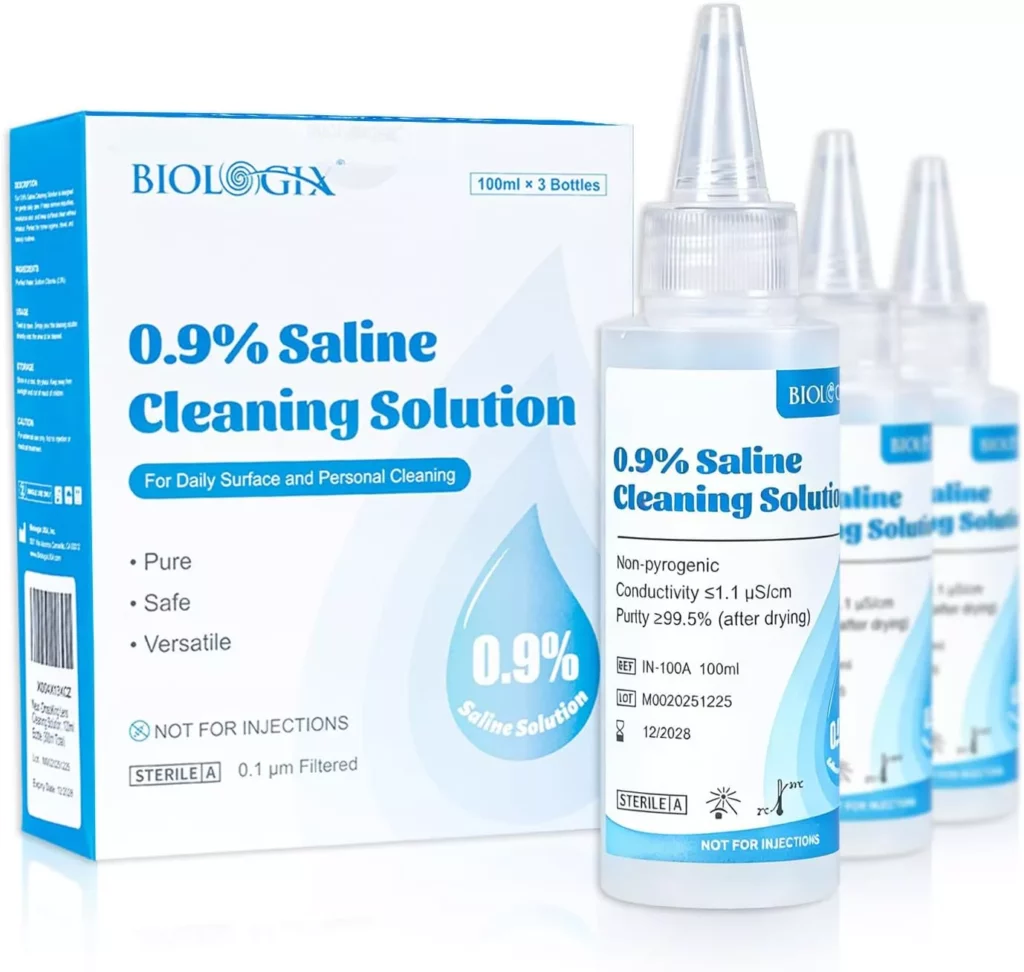
Sterile saline solution 0.9% (wound rinse)
Ideal for gently rinsing and soothing inflamed oral tissue.
- Helps cleanse the area without irritation
- Useful for controlled, gentle rinses
- Especially recommended after procedures like a frenectomy or frenuloplasty
Buy Ready-to-Use Saline Water for Daily Care
Manuka honey
A medical-grade honey with verified methylglyoxal content, known for its enhanced antibacterial properties.
- Helps reduce bacteria
- Supports tissue healing
- Can be applied directly to irritated soft tissue areas
Extra-soft toothbrush
Designed to clean effectively while protecting sensitive oral tissues.
- Gentle on inflamed areas
- Helps prevent further irritation
- Safe to use around the lingual frenulum during recovery
Buy Oral-B Sensi-Soft Toothbrush Here
Disclaimer:These product suggestions are for informational purposes only and do not replace professional medical advice. Always consult your dental provider before using any new product.
How to prevent sore lingual frenulum problems

Protecting your lingual frenulum long-term comes down to three pillars: good oral hygiene, mindful habits, and regular dental care.
- Brush twice daily using a soft-bristled toothbrush and a fluoride toothpaste. Soft bristles protect all delicate oral tissues, including the frenulum.
- Floss once daily to remove bacteria and debris from between teeth and below the gumline, areas that a brush cannot fully reach.
- Limit habits that strain the frenulum: Avoid excessive gum chewing, biting hard non-food objects (pens, nails), or repeatedly pressing your tongue against dental appliances.
- Stay hydrated: A dry mouth allows bacteria to thrive. Drinking adequate water throughout the day naturally rinses away food particles and maintains healthy saliva flow.
- Visit your dentist every six months: Routine checkups catch early signs of infection, unusual tissue changes, or appliance-related friction before they become painful problems.
Ready to Find Relief?
A sore lingual frenulum is more treatable than you might think. Whether home remedies are enough or you need a quick procedure, the right support makes all the difference. Don’t wait for the pain to get worse—reach out to a dentist today, explore more expert oral health articles, and take your first step toward a pain-free mouth.