


What Are the Benefits of Neem in Dental Care?
Neem is a natural ally in oral hygiene. Its antibacterial, anti-inflammatory, and analgesic properties help fight cavities, prevent gum disease,... Read more.

Salty Taste in the Mouth: Why It Happens and How to Fix It?
A salty taste in the mouth is usually caused by dry mouth (xerostomia), dehydration, postnasal drip, acid reflux (GERD), infections,... Read more.

Is Cheese Good for your Teeth?
Yes, cheese is very good for teeth. It is rich in calcium, phosphorus, casein, vitamins, and probiotics. These nutrients strengthen... Read more.

Can I Use Green Tea for Oral Health? 5 Surprising Benefits You Should Know
Yes, green tea for oral health offers many natural benefits. It helps reduce harmful bacteria, protects gums, lowers the risk... Read more.

What Are the Connections Between Oral Hygiene and General Health?
Good oral hygiene helps protect the whole body. When you brush and clean your teeth every day, you lower the... Read more.
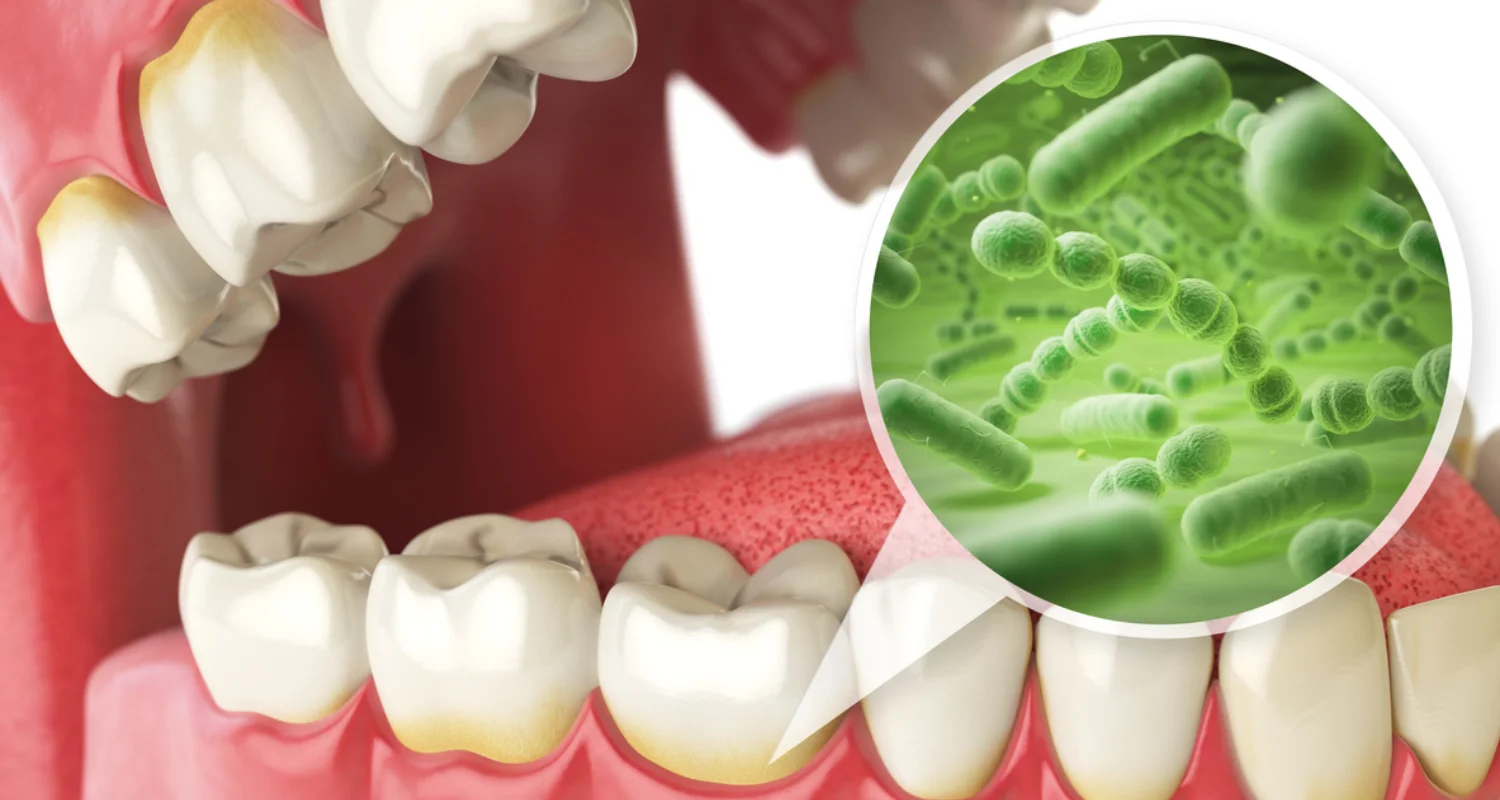
Why Can Cavities Cause Bad Breath?
Cavities cause bad breath because the bacteria that create them release acids and foul-smelling compounds. The cavity itself doesn’t smell... Read more.

Does Chewing Gum to Prevent Cavities Really Work?
Yes, chewing sugar-free gum, especially with xylitol, can reduce the risk of cavities. Why? It increases saliva, balances mouth pH,... Read more.
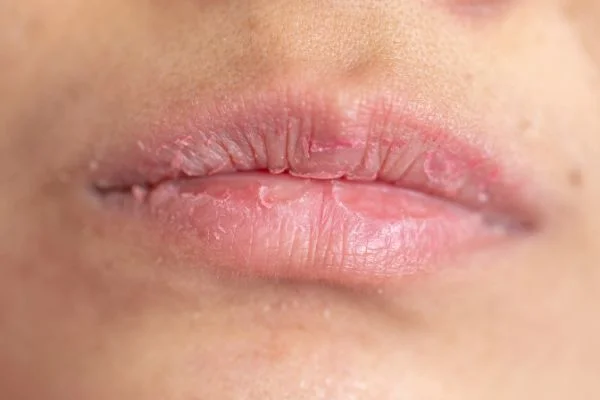
Spironolactone and Dry Mouth: 9 Effective Alternatives
https://youtu.be/RQQnmzioW-E Spironolactone and Dry Mouth Spironolactone belongs to a group of medications called diuretics. These medications help eliminate water... Read more.

What Is Halitosis and How Common Is It?
Halitosis (bad breath) occurs when the breath smells bad in a way that others notice. It affects about 22%–50% of... Read more.

