Last Updated on: 3rd April 2026, 08:10 am
When a lump appears under your tongue
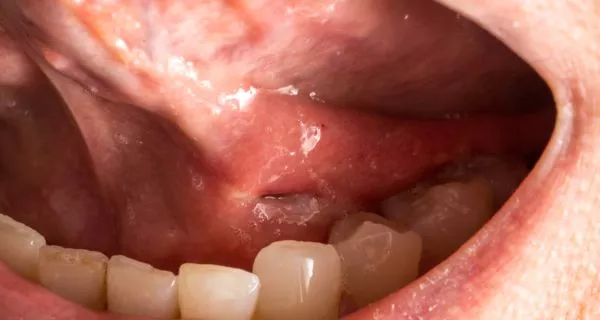
Imagine waking up and noticing a soft swelling under your tongue. It may look slightly bluish, feel like a small bubble, and usually does not hurt at first, but it may slowly grow.
This type of swelling is often a ranula.
A ranula is a sac filled with saliva that forms on the floor of the mouth, under the tongue. While it can feel worrying, the good news is:
- It is benign (not cancerous)
- Treatments are very effective
- Most cases are completely cured after proper treatment
In this guide, you will learn what causes ranulas, how they are diagnosed, every treatment option available (from minimally invasive to surgical), what recovery looks like, and how to prevent recurrence.
Whether you are a patient researching your options or a caregiver supporting a loved one, this article will give you the clear, honest information you deserve.
Understanding ranula
A ranula is a type of salivary cyst that forms when saliva leaks from the sublingual salivary gland, located under the tongue. The word ‘ranula’ comes from the Latin rana (frog), because the bluish, translucent swelling can resemble a frog’s belly.
Normally, saliva flows through small ducts into the mouth. If one of these ducts is blocked or damaged, saliva can leak into nearby tissue and form a fluid-filled swelling.
Types of Ranula
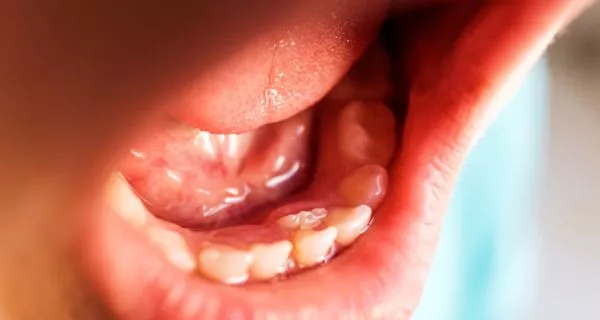
There are two main types, depending on where the saliva collects.
- Oral (simple) Ranula: This is the most common type.
Signs may include:
- Stays within the floor of the mouth.
- Visible as a soft, dome-shaped swelling under the tongue.
- Usually bluish or translucent.
- Typically painless
However, larger ranulas may interfere with swallowing or speech.
- Cervical (plunging) Ranula: In some cases, the saliva spreads deeper and moves into the neck area. This happens when fluid passes through a muscle in the mouth floor called the mylohyoid muscle.
Signs may include:
- Swelling in the neck or under the jaw
- Little or no swelling under the tongue
- A soft lump in the upper neck
About half of plunging ranulas occur after a previous ranula was not completely removed.
Common causes
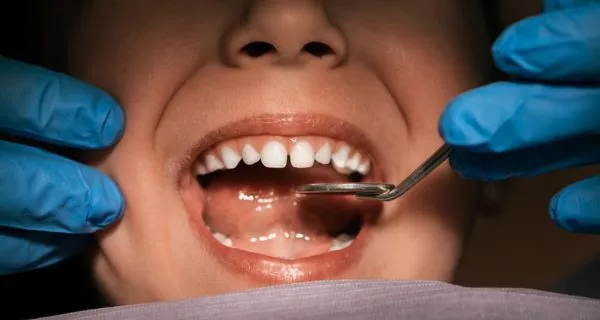
Several things can lead to a ranula. The most frequent causes include:
- Injury or trauma to the salivary gland
- Damage to the salivary duct
- Blockage from saliva stones
- Thick mucus blocking the duct
Other possible causes:
- Chronic inflammatory diseases such as Sjögren’s syndrome
- Viral infections affecting salivary glands
- Sometimes no clear cause is found
Who is most affected?
Ranulas can occur at any age, including in children. They are more often seen in teenagers, young adults or people with a history of mouth injury.
If a swelling under the tongue last longer than two weeks, it is best to see:
- A dentist
- An oral surgeon
- An ear, nose, and throat (ENT) specialist
Early evaluation helps avoid complications.
Diagnosing a ranula: what to expect at your appointment
Diagnosis is primarily clinical, meaning your provider will examine the swelling, assess its location, size, consistency, and color, and ask about your symptom history.
If needed, imaging tests may be used.
- Ultrasound: Often the first test, shows a clear fluid-filled sac.
- MRI: Gold standard for cervical ranulas; Helps doctors plan surgery if needed
- CT scan: Sometimes used if MRI is not available
Needle test (fine needle aspiration): Occasionally, a doctor may remove a small sample of fluid using a thin needle. This helps confirm the swelling contains saliva and rules out other conditions like dermoid cysts, lymphatic malformations or salivary glands tumors.
Treatment for Ranula: your options

Choosing the right treatment for ranula depends on several factors: the type (oral vs. cervical), the size, the patient’s age and overall health, and whether the ranula has recurred after a previous procedure.
Below are the most common treatment approaches.
1. Drainage (temporary relief)
This procedure involves making a small cut, letting the fluid drain out. This is not a curative treatment, ranulas almost universally recur after drainage alone because the underlying gland continues to produce saliva.
It is reserved for situations where the ranula is causing acute discomfort, difficulty swallowing, or airway compromise, and definitive treatment cannot be performed immediately.
2. Marsupialization
This treatment creates a small permanent opening in the ranula. The surgeon opens the cyst and stitches the edges to the surrounding tissue; This allows saliva to drain continuously. This treatment is less invasive than gland removal.
However, ranulas may return in about 35-65% of cases. Because of this, many surgeons combine this procedure with removal of the salivary gland.
3. Surgical removal of the sublingual gland
This is considered the most effective treatment. The surgeon removes the sublingual gland, which is the source of the leaking saliva.
Benefits:
- Very low recurrence rate (under 5%)
- Usually done through the mouth
- No visible scars on the face or neck
Even in cases where the ranula spreads into the neck, removing the gland often allows the body to naturally absorb the remaining fluid.
4. Laser treatment
CO2 and diode lasers offer a minimally invasive alternative for small oral ranulas.
Laser advantages include:
- Minimal bleeding
- Less pain
- Faster healing
Laser treatment is best suited for superficial ranulas with a diameter under 2 cm. For larger or recurrent lesions, surgical excision remains preferable.
5. Injectable therapy (sclerotherapy)
In some cases, doctors inject a medicine called OK-432 (Picibanil) into the ranula. This treatment works by causing controlled inflammation and shrinking the cyst walls.
It’s important to know that often multiple injections are required, success rates are around 90% in some studies, but it’s not widely available everywhere.
This therapy is sometimes used for children and patients who cannot undergo surgery.
6. Home care: helpful but not a cure
Natural remedies are not curative for ranulas, but they can help manage mild discomfort between appointments:
- Warm saltwater rinses (1 tsp salt per cup of warm water, 2–3 times daily) reduce secondary inflammation and keep the area clean.
- Aloe vera gel applied topically may soothe irritated mucosa due to its anti-inflammatory properties.
- Maintaining adequate hydration supports healthy salivary flow and may reduce mucus viscosity.
Always consult your dentist or oral surgeon before relying on home remedies, particularly for growing or recurrent ranulas.
Recovery after ranula treatment: what to expect

Most patients recover within 1 to 2 weeks after surgery. Doctors usually place dissolvable stitches, which disappear within 5–10 days.
Immediate post-operative care
- Rest for the first 24–48 hours; avoid strenuous physical activity for two full weeks.
- Sleep with your head slightly elevated (2–3 pillows) to reduce swelling.
- Apply ice packs to the outside of the jaw for the first 24 hours to minimize bruising.
- Take prescribed pain medication or over-the-counter analgesics as directed.
Diet during recovery
- Soft, nutrient-dense foods are recommended: mashed potatoes, yogurt, scrambled eggs, smoothies.
- Prioritize vitamin C (promotes wound healing), lean protein (tissue repair), and adequate hydration.
- Avoid hard, crunchy, spicy, or very hot foods until sutures dissolve.
Factors that affect recovery time
- Patient age (younger patients generally heal faster)
- Presence of systemic conditions such as diabetes or immunosuppression
- Ranula size and whether neck dissection was required
- Adherence to post-operative dietary and activity restrictions
Recommended products to support oral recovery
The following products are suggested for informational purposes only. They are not medical treatments. Please consult your dentist or oral surgeon before use.
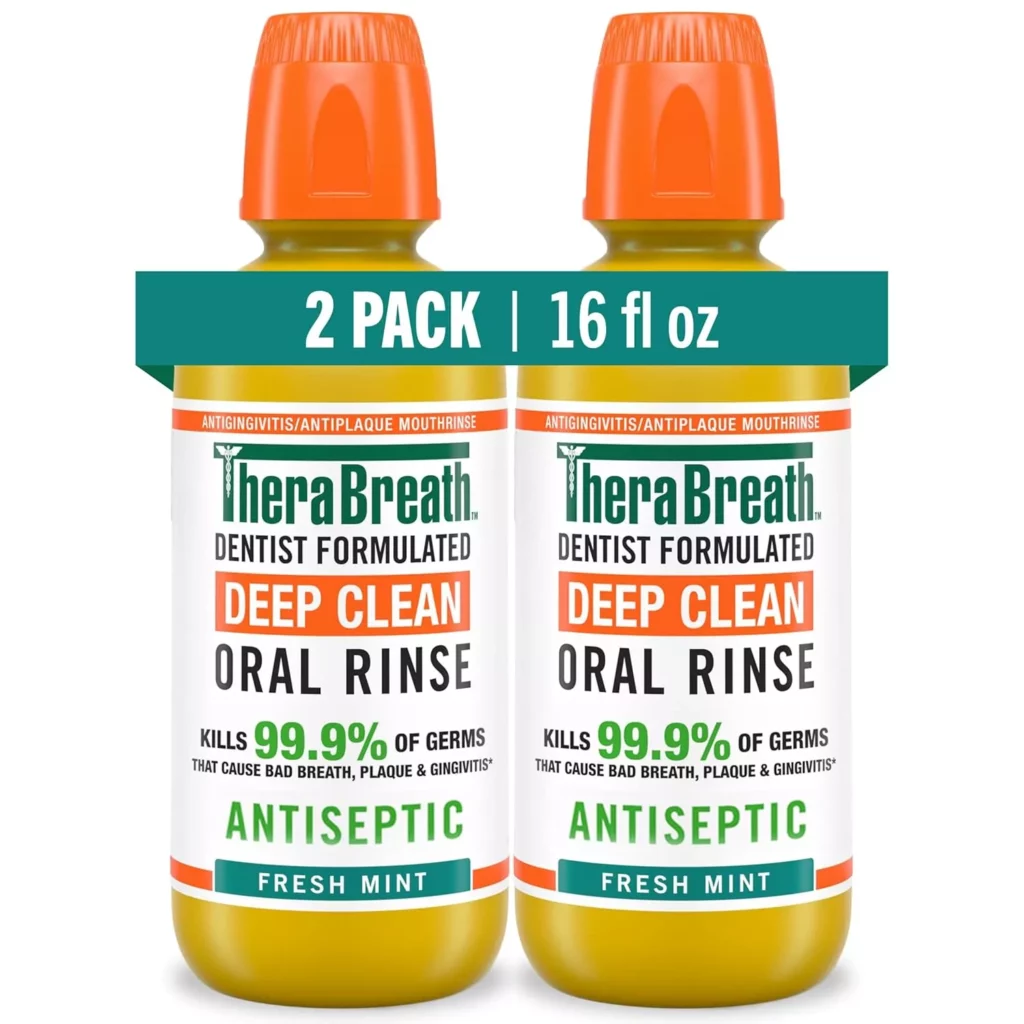
1. Alcohol-free antiseptic mouthwash
An alcohol-free antiseptic mouth rinse can help maintain good oral hygiene during healing without irritating the surgical area.
Benefits may include:
- Helps keep the mouth clean during recovery
- Reduces bacteria in the mouth
- Gentle on sensitive or healing tissues
Alcohol-free formulas are recommended because alcohol can cause burning or irritation in healing areas.
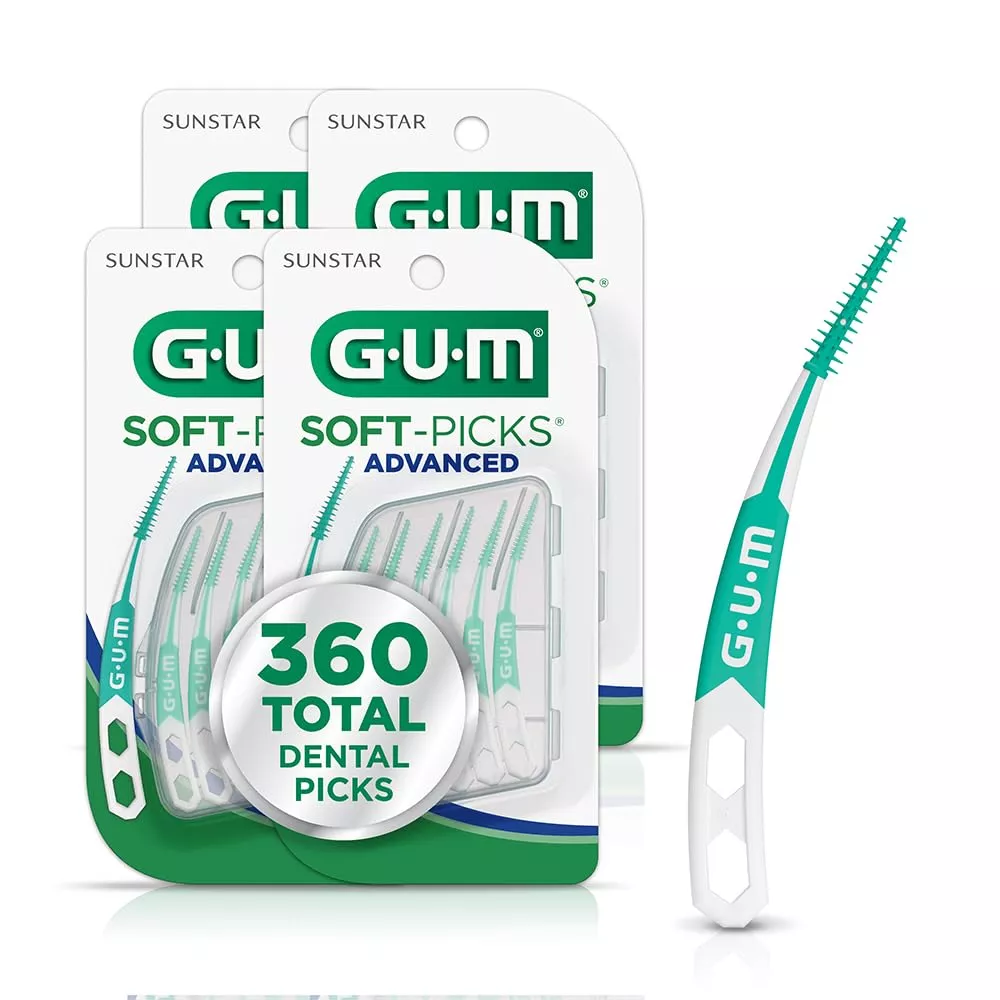
2. GUM soft-picks advanced dental picks
GUM Soft-Picks Advanced are soft, flexible interdental cleaners designed to remove food particles and plaque between teeth.
Why they are helpful after oral surgery:
- Clean between teeth without putting pressure on stitches
- Safer than flossing immediately after surgery
- Flexible and gentle on healing gum tissue
They can help patients maintain oral hygiene while the mouth is still sensitive.
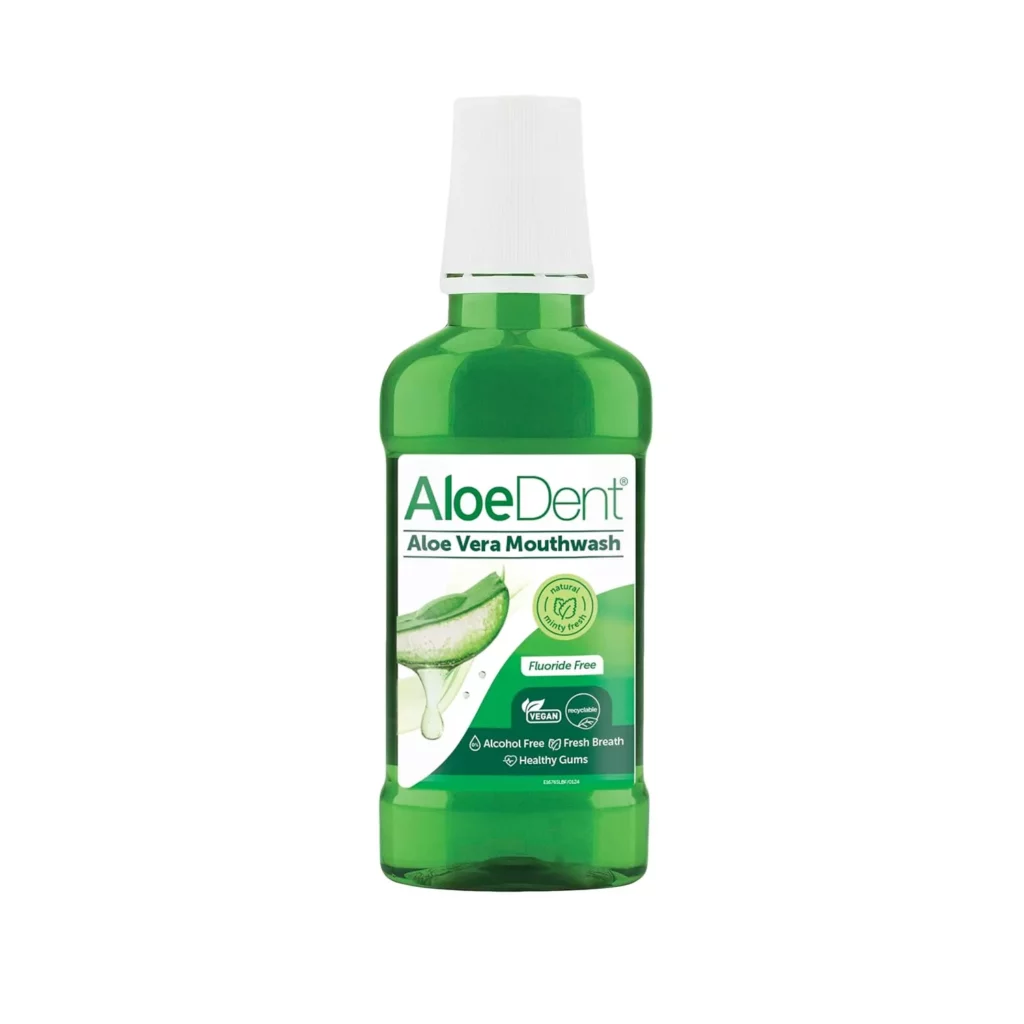
3. Aloe vera oral gel or alcohol-free aloe mouthwash
Aloe vera gel can be applied gently to the oral mucosa to help soothe irritation. Another option is using an alcohol-free mouthwash that contains aloe vera.
Possible benefits include:
- Helps soothe irritated oral tissue
- May reduce inflammation
- Supports comfort during healing
These products should only be used as a complementary measure during recovery, not as a replacement for professional treatment.
Take the next step for your oral health
A ranula is not something you have to live with, and it is not something you should ignore. Whether your swelling is small and newly discovered or large and causing discomfort, a qualified oral surgeon or ENT specialist can evaluate your specific situation and recommend the most effective treatment for ranula in your case.