Author


Have you noticed that your upper front teeth cover too much of your lower teeth when you close your mouth? If so, you might have an overbite.
When biting down, a slight overlap of the upper teeth over the lower ones is normal. However, when that overlap becomes too pronounced, it can lead to a variety of issues, such as difficulty chewing, jaw pain, tooth wear, and changes in facial appearance.
In this guide, you’ll learn everything you need to know about overbites: what causes them, the problems they entail, and how to fix an overbite using the most effective treatment options available. It’s your first step toward a healthier, more confident smile.
What is an overbite?
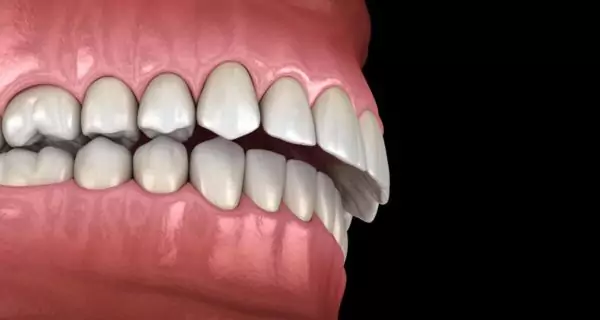
An overbite happens when your top front teeth cover too much of your bottom teeth when you close your mouth. Normally, they should only cover about a third, but with an overbite, they might cover half or even more.
This bite issue can make it harder to chew or speak clearly. it’s not treated, it can lead to dental problems and affect how your smile looks over time.
Types of overbite
There are two main types of overbite:
- Vertical overbite: The top teeth significantly overlap the bottom teeth in a vertical direction.
- Horizontal overbite (overjet): The top teeth protrude outward, extending too far over the bottom teeth horizontally.
While most people have a vertical overbite, some may show signs of both types.
Common causes of overbites
Overbites can develop for different reasons and are generally classified by their origin:
- Dental overbite: caused by misaligned teeth, even when the jaws are properly positioned.
- Skeletal overbite: occurs when the jaw is too large or too small, affecting how the teeth fit together.
Several factors can contribute to these issues, including:

- Genetics: The size and shape of your jaws and teeth are often inherited, which can increase the risk of developing an overbite.
- Childhood habits: Thumb sucking, extended pacifier use, or mouth breathing can affect jaw development early on.
- Jaw misalignment: When the upper and lower jaws grow at different rates, it can lead to bite problems.
- Tongue thrust and other habits: Constant pressure from the tongue or habits like nail biting can slowly push teeth out of place.
- Tooth loss: Missing teeth that aren’t replaced can cause nearby teeth to shift, making an overbite worse.

Surgical options for severe overbites
It’s not always possible to fix an overbite with non-surgical options. Sometimes, small procedures like tooth extractions are needed, and in more severe cases, orthognathic surgery may be required to correct the jaw alignment. Let’s take a closer look.
Tooth extractions
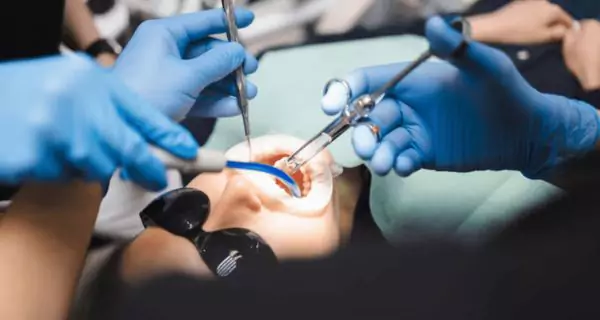
In cases of severe crowding, where there’s not enough space in the mouth to align the teeth properly, tooth extraction may be necessary. Removing one or more teeth will create room to reposition the remaining ones.
Extractions are typically combined with braces to realign the bite and correct the overbite more effectively.
Jaw surgery (orthognathic surgery)
In some cases, especially when the overbite is caused by skeletal issues, orthodontic treatment alone isn’t enough. These situations may require orthognathic surgery to reposition the jaw and achieve long-term correction.
This procedure involves repositioning the upper jaw, lower jaw, or both to correct the bite and jaw alignment. It is often combined with braces before and after surgery to prepare the teeth and stabilize the result.
- Recovery: Healing takes several weeks. During the first phase, a soft food diet is necessary, and it’s crucial to follow your surgeon’s instructions. Full recovery may take a few months.
- Benefits: Although it is more invasive, surgery offers a permanent and functional solution for people with severe overbites and skeletal imbalances. It often leads to improvements in facial harmony and quality of life.
Whether the treatment involves surgery or not, the orthodontist will determine the best course of action. Every case is unique, and only a specialist can recommend the most effective and appropriate solution.