Last Updated on: 11th May 2026, 08:41 am
A toothache that just won’t quit. A jaw that throbs at 3 a.m. A swollen gum that makes eating, even talking, feel impossible.
If you’re dealing with a tooth infection, you’re not alone, and you deserve real relief right now. While antibiotics prescribed by a dentist remain the gold-standard treatment, a growing body of research supports the use of natural compounds to ease symptoms, reduce bacterial load, and keep the infection from worsening while you wait for your appointment.
In this guide, you’ll find 19 evidence-backed natural antibiotics for tooth infection, what they do, how to use them safely, and exactly when you must call your dentist instead of reaching for the spice rack.
Why tooth infections happen and why you shouldn’t wait

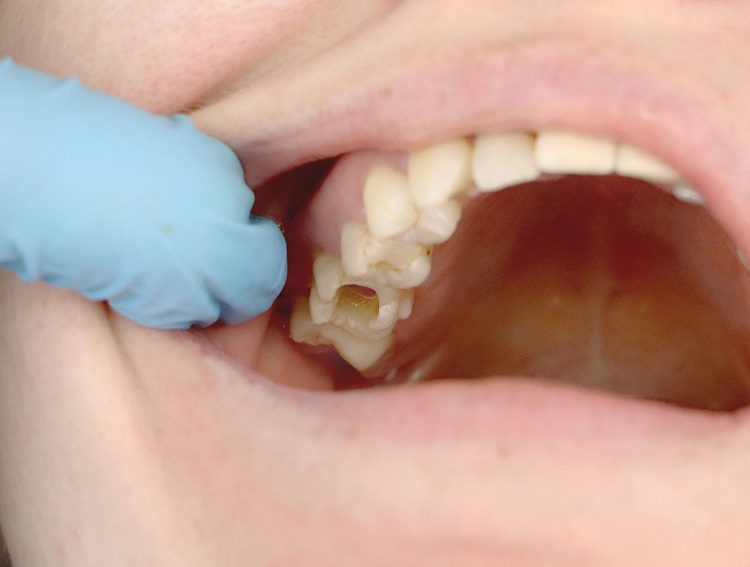
A tooth infection develops when bacteria invade the inner pulp of a tooth or the surrounding gum tissue. Left untreated, bacteria can spread to the jaw, neck, or even the bloodstream, a condition called sepsis that can be fatal.
Most common causes
- Advanced tooth decay that reaches the nerve
- Untreated gum disease (periodontitis)
- Cracked or chipped teeth that allow bacteria inside
- Injury from sharp objects that wound the gums
- Poor oral hygiene as the root of most dental disease
Symptoms to watch for
- Throbbing pain when biting or chewing
- Sensitivity to heat, cold, sweet, or acidic foods
- Red, swollen, or bleeding gums
- Bad breath or a foul taste that won’t go away
- Facial swelling on the side of the affected tooth
- Fever, ear pain, or swollen lymph nodes
- A visible pimple-like bump (abscess) on the gum
If you notice facial swelling, fever, or difficulty swallowing or breathing, go to the emergency room immediately, these signs suggest the infection has spread beyond the tooth.
19 natural antibiotics for tooth infection: how each one works
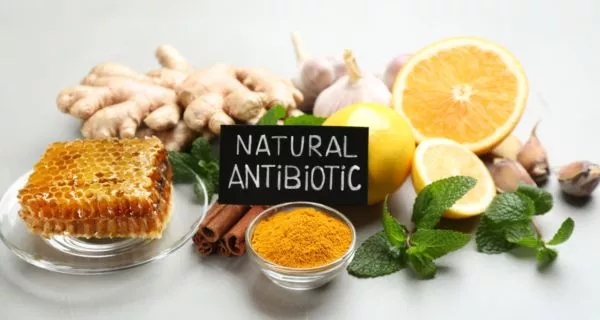
The natural compounds below have been studied for their antimicrobial, anti-inflammatory, or analgesic properties. They are most useful as a short-term complement to dental treatment, not as replacements.
Extra virgin coconut oil (oil pulling)
Coconut oil contains lauric acid, a fatty acid with documented antibacterial and anti-inflammatory effects. A 2016 review in the Journal of Traditional and Complementary Medicine found that oil pulling with coconut oil significantly reduced Streptococcus mutans, the primary cavity-causing bacterium.
HOW TO USE
- Swish 1 tablespoon of extra virgin coconut oil in your mouth for 15–20 minutes, then spit into a trash can (not the sink, it solidifies).
- Alternatively, apply it to your toothbrush and brush for 10 minutes, then rinse with warm water, and continue with the usual cleaning routine, using toothpaste and dental floss
- Use up to twice daily.
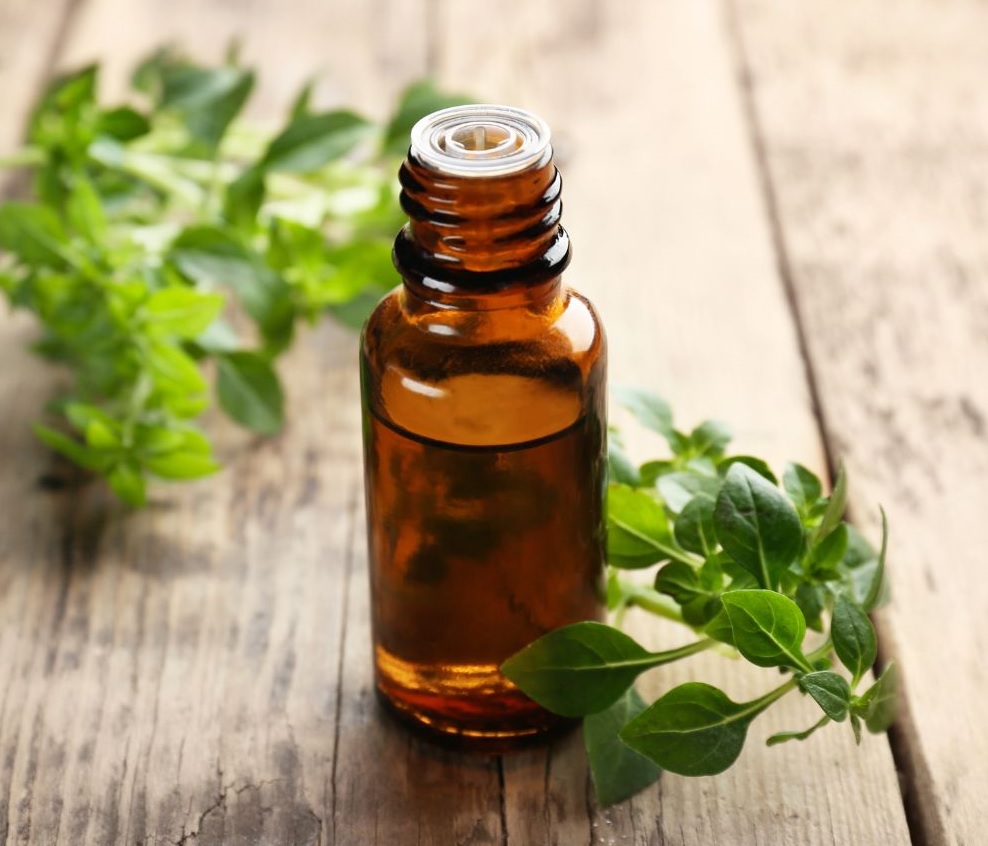
Essential oils
These oils are extracted from plants through a distillation process with water or steam. They are widely used therapeutically for their healing, relaxing, and analgesic properties. Avoid the use of aromatic oils, as they can be toxic.
Some of the most common essential oils for treating symptoms caused by dental infections are:
- Tea tree oil: Antiseptic, antifungal, antibacterial, and healing properties.
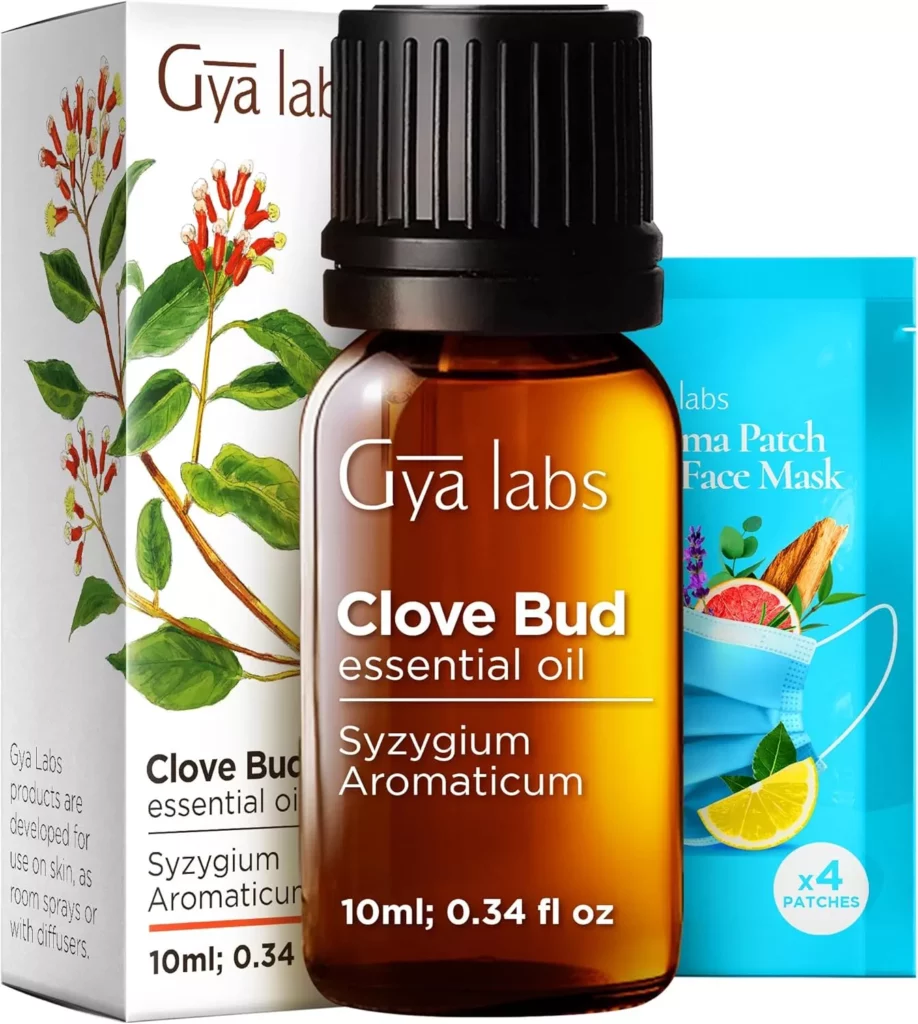
- Clove oil: Anti-inflammatory and antibacterial properties.
- Lavender oil: Healing, analgesic, and anti-inflammatory properties.
- Oregano oil: Antimicrobial and antioxidant properties.
- Thyme oil: Antiparasitic, antibacterial, and anti-inflammatory properties.
- Eucalyptus oil: due to its high levels of cineole, it becomes a broad-spectrum antibiotic, as well as having antimicrobial and anti-inflammatory properties.
- Vanilla oil: has an anesthetic capacity, which is not very high, but helps to numb tooth pain and relax inflamed gums.
HOW TO USE
- Apply 1–2 drops of essential oil to a cotton ball and hold it against the painful tooth for 5–10 minutes.
- Do not swallow. Dilute with a carrier oil (e.g., olive oil or coconut oil) before use if you have sensitive gums.
Pure cannabidiol (CBD) oil
CBD oil extracted from the cannabis plant (non-psychoactive) has demonstrated antimicrobial activity against oral bacteria, including those that form dental biofilm. It also has analgesic and anxiolytic effects that may help patients manage dental pain and appointment anxiety.
HOW TO USE
- Apply a few drops under the tongue or directly to the affected gum.
- Consult your dentist before using CBD alongside other medications.
Salt water rinse
Salt water is the simplest and most universally recommended home remedy for dental infections. A 0.9% saline solution creates a hostile environment for bacteria, draws fluid from swollen tissues, and can help periodontal abscesses drain.
HOW TO USE
- Dissolve ½ teaspoon of table or sea salt in 8 oz (240 ml) of warm water.
- Swish for 30 seconds, focusing on the affected area, then spit.
- Repeat 3–4 times daily.
Garlic
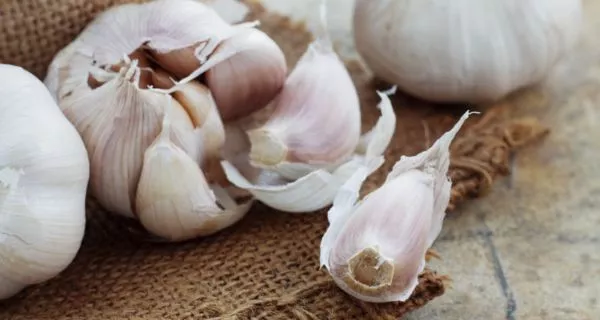
Garlic is one of the most potent natural antibiotics known. Its active compound, allicin, is released when garlic is crushed and has proven antibacterial and anti-inflammatory effects. Many patients report near-immediate pain relief.
HOW TO USE
- Crush a clove of garlic, extract the juice, and apply directly to the infected area.
- Alternatively, mix crushed garlic with a pinch of salt and place the paste on the gum.
- You can also chew a raw garlic clove slowly on the affected side.
- Use 3–4 times daily.
Aloe vera gel
Aloe vera has documented healing, antimicrobial, and anti-inflammatory properties. When applied to infected gum tissue, it soothes pain, reduces inflammation, and may help break down necrotic (dead) tissue around the abscess.
HOW TO USE
- Apply pure aloe vera gel directly to the affected gum several times a day.
- For added relief, refrigerate the gel before use, the cool temperature provides immediate soothing.
- Can also be swished as a diluted juice rinse.
Baking soda
Baking soda neutralizes acid in the mouth, disrupts bacterial biofilm (the sticky layer that causes plaque), and has mild abrasive properties that remove surface stains without damaging enamel. It also helps reduce inflammation and has mild antibacterial effects.
HOW TO USE
- Dissolve 1 teaspoon in a glass of water and use as a rinse.
- Alternatively, make a thick paste with water and apply to the gum.
- Use twice daily.
Hydrogen peroxide (3% solution)
Hydrogen peroxide is a mild antiseptic that releases oxygen to kill anaerobic bacteria, the kind that thrive in dental abscesses. Diluted properly, it reduces plaque and helps heal bleeding gums.
HOW TO USE
- Mix equal parts of 3% hydrogen peroxide and water (1:1 ratio).
- Swish for 30–60 seconds and spit. Never swallow.
- Use no more than twice daily.
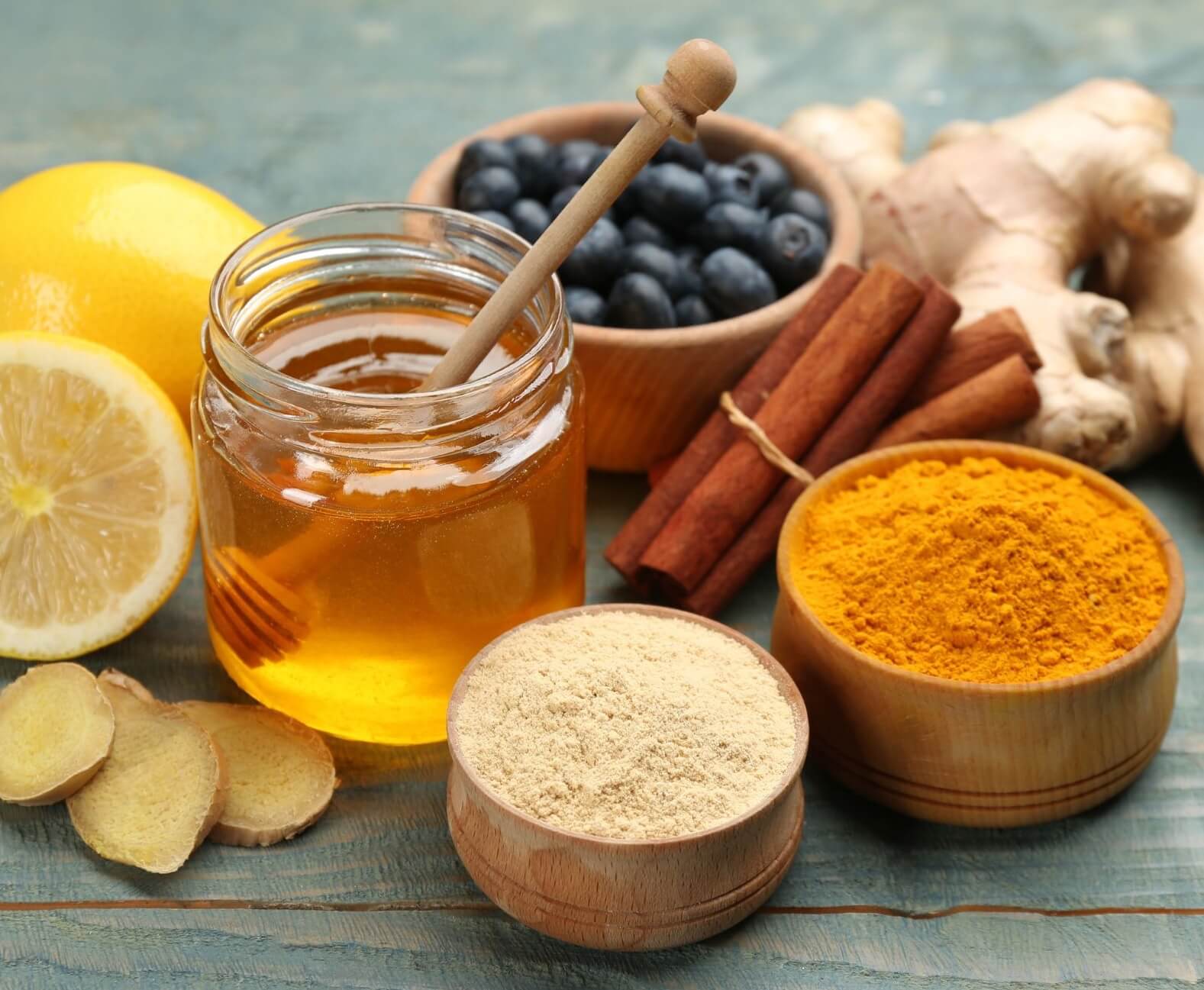
Turmeric
Turmeric’s active ingredient, curcumin, is one of the most studied natural anti-inflammatory compounds in the world. It has also shown antibacterial activity against common oral pathogens, including those responsible for gingivitis.
HOW TO USE
- Mix 1 tablespoon of turmeric powder with 2 tablespoons of water to form a paste.
- Apply to the gum and let it sit for 5 minutes, then rinse.
- Use twice daily.
Ginger
Ginger (Zingiber officinale) contains gingerols and shogaols, compounds with strong antibacterial and anti-inflammatory activity. Studies show ginger is particularly effective against bacteria that cause periodontal disease.
HOW TO USE
- Crush fresh ginger, place it directly on the affected area, or chew a small piece slowly.
- Ginger can also be made into a strong tea used as a warm mouth rinse.
- Use 4 or more times daily.
Onion
Raw onion contains quercetin and sulfur compounds that give it bactericidal and anti-inflammatory properties similar to garlic. It has been shown to be effective against a wide range of bacterial species common in dental infections.
HOW TO USE
- Chew a piece of raw onion on the affected side for a few minutes, or apply onion juice directly to the gum.
- Use several times daily as needed.
Chamomile
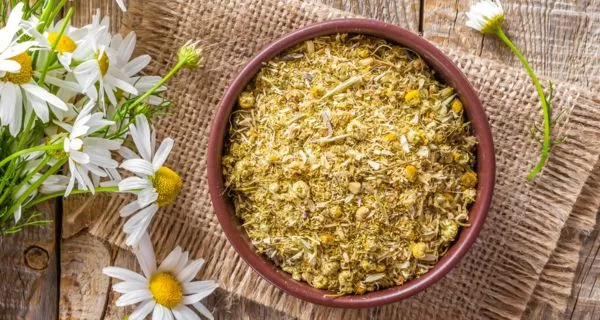
Chamomile contains alpha-bisabolol and apigenin, compounds with anti-inflammatory, antifungal, and mild analgesic effects. It is particularly soothing for irritated, swollen gum tissue.
HOW TO USE
- Brew a strong chamomile tea, let it cool slightly, and use it as a warm mouth rinse.
- Can also be applied directly with a cotton ball soaked in cooled tea.
- Use it several times daily.
Raw honey (Manuka or organic)
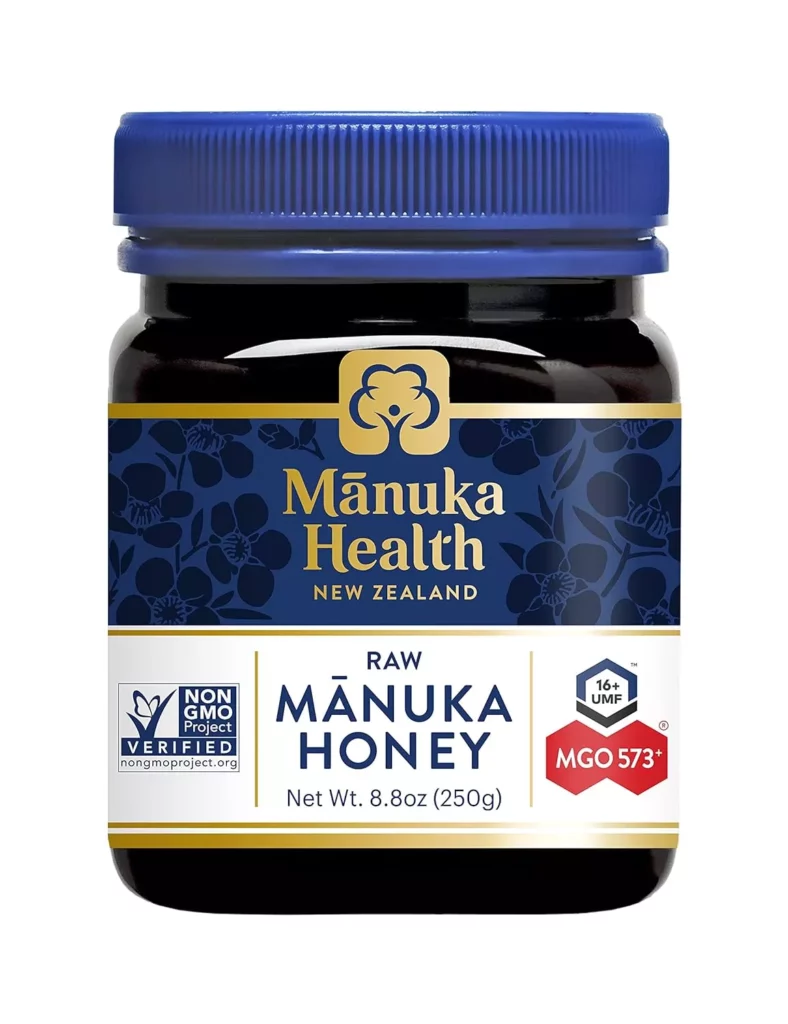
Honey, especially Manuka honey, has powerful antibacterial properties due to its hydrogen peroxide content, low pH, and a unique compound called methylglyoxal (MGO). It promotes tissue healing and reduces inflammation.
HOW TO USE
- Apply a small amount of raw or Manuka honey directly to the infected gum.
- Leave it in place for several minutes before rinsing.
- Avoid processed or sugar-added honeys.
Echinacea
Echinacea is a North American herb with well-documented immune-boosting, antiviral, and antimicrobial properties. It helps the body mount a stronger response to infection and is available as drops, capsules, and even dental rinses.
HOW TO USE
- Use echinacea drops or a strong infusion as a mouth rinse, holding for 1–2 minutes.
- Treatment should not exceed 6 consecutive weeks.
- Not recommended for children under 12.
Grapefruit seed extract
Grapefruit seed extract is made from the seeds only, without pulp or juice from the fruit. It is rich in vitamin C and flavonoids, including naringin, which gives grapefruit its bitter taste. It has anti-inflammatory, antioxidant, and antibiotic properties, and can inhibit the growth of bacteria or promote its death
HOW TO USE
- Use 20 drops of the extract in half a glass of water, or empty the contents of 2 capsules into the same amount of water.
- Gargle or use it as a mouthwash, keeping it in your mouth for a few seconds before swallowing or spitting it out.
Licorice root
Licorice root contains glycyrrhizin and other compounds with anti-inflammatory, antiviral, and antibacterial activity. It has specifically been shown to inhibit the growth of bacteria associated with tooth decay and gum disease.
HOW TO USE
- Use as a rinse by boiling a small piece of root in water.
- Can also be chewed as a root or as a sugar-free licorice candy.
Fenugreek tea
Fenugreek is a plant native to the Mediterranean. It has antibiotic properties and is commonly used to treat abscesses, swelling of all kinds, and wash sores.
HOW TO USE
- It is applied topically to the affected area.
Apple cider vinegar (unfiltered)
Unfiltered apple cider vinegar contains acetic acid, which has bactericidal and bacteriostatic properties, meaning it can both kill bacteria and prevent their growth. It is commonly used for wound management and topical infection control.
HOW TO USE
- Rinse with a diluted solution (1 part ACV to 2 parts water) and spit, do not swallow.
- Avoid long-term use, as the acidity can erode tooth enamel over time.
Andrographis paniculata
It is a medicinal plant native to southern Asian countries, such as India and Sri Lanka. The extract of the leaves and roots of this plant is used for the treatment of some infectious diseases since it has antimicrobial and anti-inflammatory properties. Its main effect is to stimulate the immune system by improving the response.
Andrographis is not indicated in the following cases:
- Small children, pregnant and lactating women: its safety is not clear in these cases, and it may also affect fertility.
- People with severe kidney or liver disease
- People with gallbladder disease: it may stimulate the contraction of the gallbladder
- Patients with autoimmune diseases: since Andrographis increases the immune system response, the underlying autoimmune diseases that the patient has may worsen, such as lupus, arthritis, among others.
- Anticoagulated patients: it may interfere with blood clotting
- Patients with hypertension: it may further decrease blood pressure
HOW TO USE
- It is used in adults in doses of 90-600 mg per day for a maximum of 12 weeks.
- It cannot be used in children for a prolonged period.
- This product also has an oral gel presentation.
It is recommended to consult a specialist before using it since its use may affect the outcome of other drug therapies, increasing their side effects or making them less effective.
How to use these remedies safely: key rules

- Always use natural remedies as a supplement to, not a replacement for, professional dental treatment.
- Tell your dentist about any herbs or supplements you are using, some interact with medications (e.g., Andrographis can reduce blood pressure and affect clotting).
- Pregnant or breastfeeding women should avoid most herbal remedies unless cleared by their healthcare provider.
- Children under 12 should not use echinacea or certain essential oils without pediatric dental guidance.
- If symptoms worsen after 48 hours of home care, seek emergency dental or medical care immediately.
Your next step: don’t wait on dental pain
Natural remedies can give you real relief right now, and that matters. But relief is not the same as healing. If you’re experiencing a tooth infection, the single most important thing you can do is book a dental appointment today. The sooner the infection is treated at the source, the faster you can get back to living pain-free.
The information contained in this article is for informational purposes only and does not constitute medical or dental advice. It is not intended to diagnose, treat, or replace professional consultation.
Always seek the advice of a qualified dentist regarding any questions you may have about your health. We do not ensure specific results or guarantee the absolute accuracy of the information for individual cases.