Last Updated on: 4th April 2026, 09:46 am
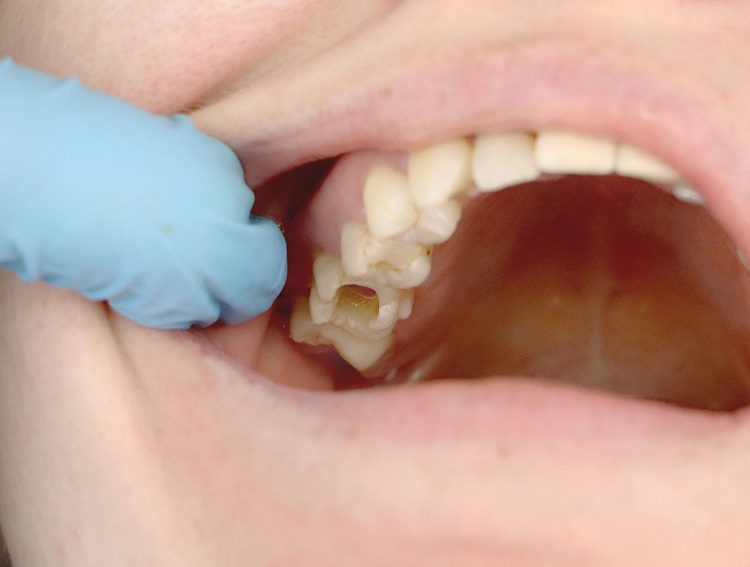
There are multiple lesions that affect the teeth that are not necessarily cavities; among the most common is dental wear, better known as non-carious dental cervical lesions.
They are progressive and slowly damage the tooth. What signs and symptoms do these lesions present and what causes them? We will now expand on the topic.
What are non-carious dental lesions?

These lesions are defined as a wear or the loss of the hard dental tissue known as enamel and dentin. This is the outermost layer of the tooth that serves to protect the nerve.
- Location: Usually in the front teeth near the gums, at the Amélica cement junction (where crown meets root).
- Why it matters: Enamel is thinner here, making teeth more sensitive to temperature and touch.
- The symptoms are very similar to those of dental caries; You may experience increased sensitivity of the teeth during brushing and when eating hot or cold food and drinks. In fact, these signs are among the main reasons people visit the dentist every year.
According to the cause of the lesion’s appearance, it may be categorized as : abfraction, abrasion, erosion and attrition.
What is Abfraction?
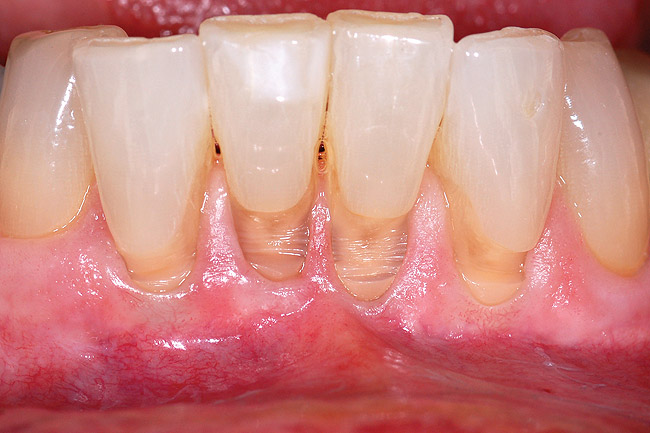
Abfraction is a loss of tooth structure of variable size, observed as a deep, wedge-shaped cavity, with defined edges, near or at the level of the gum. It can occur in one or several teeth at the same time.
What causes it?
Consider following reasons:
- Bruxism: the clenching and grinding of the teeth, which occurs unconsciously, especially at night.
- Dental malocclusion: During chewing, the upper and lower teeth must adjust in a specific way so that chewing force is distributed evenly. When this does not happen, anomalies appear in the bite; teeth do not protect each other but cause damage, engendering this type of injury.
Abfraction can be managed by treating bruxism with a night guard, correcting bite misalignment, and monitoring affected teeth with regular dental visits.
What is Abrasion?
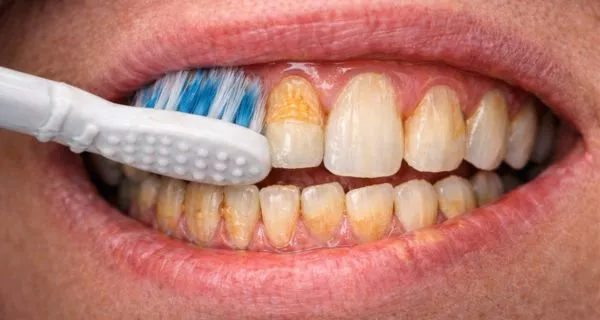
Abrasion refers to the loss of dental structure due to a mechanical cause. It is observed as lines or ridges on the tooth, but as it progresses, these lines change color to yellow-brown. In more severe cases, it can affect the gums, causing them to retract such that part of the root of the tooth is uncovered.
What causes it?
- Improper brushing of the teeth: Many people think that using a hard-bristled toothbrush and exerting a lot of force when cleaning the teeth is ideal, but in fact, that is a poor brushing technique.
- Constant use of dental picks: Toothpicks are very thick; When used to clean between the teeth, they do not reach the most difficult-to-reach areas and additionally move the gums back, causing them to recede and form dental abrasion.
This type of injury can be avoided by applying an adequate oral hygiene technique, effectively using the toothbrush, toothpaste, dental floss and mouthwash, all necessary for healthy teeth and mouth.
What is Erosion?
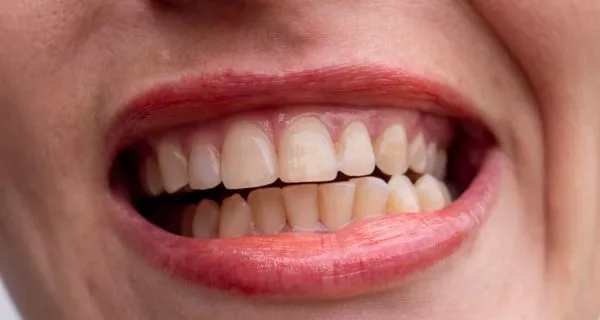
Erosion is evident damage to the dental structure. It is caused by chemical agents, specifically acids of external or internal origin. In addition to sensitivity, it may present small grooves at the level of the tooth, and the color changes to a yellowish tone.
What causes it?
The cause depends upon the origin of the acids that affect the teeth. Therefore it is categorized as follows:
- intrinsic erosion: occurs when the causes are acids from the human body itself, for example, gastric acids that are very common in people with stomach diseases. ** **
- extrinsic erosion: occurs due to the high consumption of foods rich in acids or sweets, intake of medications, alcohol, constant vomiting, among others.
Erosion can be reduced by maintaining a balanced diet, limiting acidic foods and drinks, treating reflux or vomiting, and practicing proper oral hygiene.
What is Attrition?
Unlike previous injuries, attrition is wear at the level of the incisal or occlusal edges of the teeth, that is, the area where the lower teeth contact the upper ones.
When this condition occurs, depending upon the level of severity, small fracture lines can be observed on the edge of the teeth, a change in color to a yellowish tone, or the front teeth become shorter while the back teeth are smooth.
What causes it?
- Physiological attrition: This type of wear occurs progressively as a result of age and the use of teeth over time. Normally does not present any discomfort.
- Pathological attrition: occurs with a habit such as bruxism or with dental malocclusions. It is commonly accompanied by abfractal lesions in the cervical area of the teeth.
Attrition can be managed by addressing bruxism with night guards, correcting bite issues, and monitoring teeth for wear to prevent sensitivity or further damage.
Why should you see a dentist early?

Although these lesions are not cavities initially:
- Loss of enamel increases sensitivity and discomfort.
- Bacterial plaque can accumulate, eventually causing cavities.
If you notice changes in tooth surface or sensitivity to temperature or touch, consult a dentist promptly. Early diagnosis prevents complications and guides effective treatment.
Why should non-carious cervical lesions be treated?
Non-carious cervical lesions should be treated promptly because, although they are not cavities initially, they can lead to increased sensitivity, enamel loss, and higher risk of decay if left untreated.
Treatment aims to stop progression, relieve discomfort, and protect or restore tooth structure.
The approach depends on several factors:
- Type of lesion: Abfraction, abrasion, erosion, or attrition each require different restorative or preventive strategies.
- Cause of the lesion: Mechanical forces (like grinding), chemical exposure (acidic foods or reflux), or physiological wear guide treatment decisions.
- Patient history: Dental and medical conditions, habits, and lifestyle affect the choice of treatment.
Treatment options may include protective restorations, habit modification, dietary adjustments, fluoride application, or devices like night guards to prevent further damage.
Early intervention not only preserves enamel and reduces sensitivity but also prevents secondary complications such as cavities or structural tooth damage.