
Last Updated on: 5th March 2026, 01:20 pm
How Does the Sense of Taste Work?

The sense of taste depends on:
- Taste buds located on the tongue and oral cavity
- Cranial nerves that transmit signals to the brain
- Adequate saliva production
When inflammation, dryness, infection, or nerve dysfunction occurs, the perception of taste may change. Research published in the Journal of Otolaryngology and Head and Neck Surgery (Cortés et al., 2022) confirms that alterations in saliva and nerve signaling are common causes of dysgeusia.
10 Common Causes of a Salty Taste in the Mouth
1. Dry Mouth (Xerostomia)

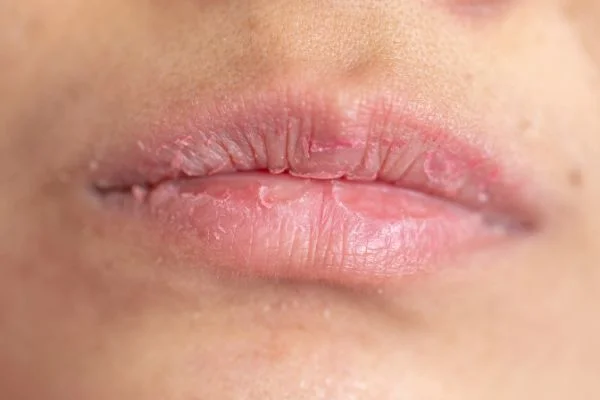
Xerostomia occurs when the salivary glands do not produce enough saliva.
Common causes include:
- Aging
- Tobacco use
- Diabetes
- Autoimmune diseases
- Radiation therapy
- Medications
Symptoms may include:
- Sticky sensation in the mouth
- Thick saliva
- Bad breath
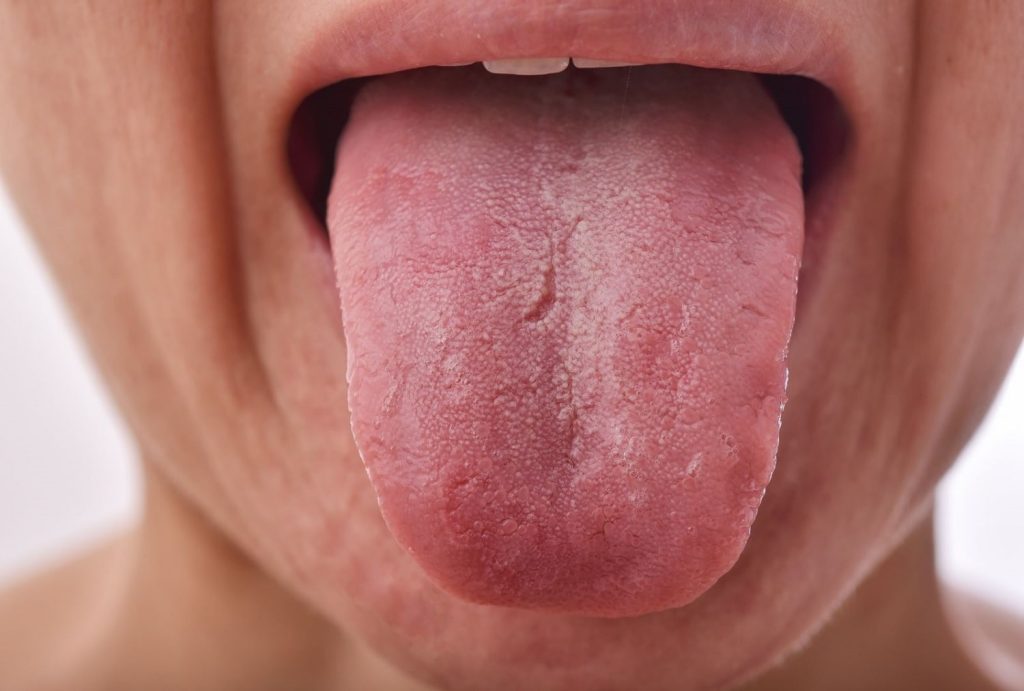
- Cracked tongue
- Increased cavities
Prolonged dry mouth significantly raises the risk of oral infections and periodontal disease.
2. Dehydration
Dehydration reduces saliva production and concentrates minerals, which can lead to a salty taste in the mouth.
Warning signs:
- Dark yellow urine
- Fatigue
- Dizziness
- Extreme thirst
- Confusion
3. Postnasal Drip

Chronic sinus infections, allergies, or colds can cause mucus to drip down the throat, altering taste perception.
Associated symptoms:
- Frequent throat clearing
- Nasal congestion
- Sore throat
- Reduced sense of smell
4. Gastroesophageal Reflux Disease (GERD)
GERD occurs when stomach acid flows back into the esophagus and sometimes into the mouth.
Symptoms:
- Heartburn
- Sour or salty taste
- Chronic cough
- Sensation of a lump in the throat
Untreated GERD may cause esophageal inflammation and complications.
5. Medications
Over 250 medications are known to affect taste or saliva production.
Common categories include:
- Antibiotics
- Antidepressants
- Antihistamines
- Diuretics
- Chemotherapy drugs
- Sedatives
6. Oral Bleeding or Gum Disease
Even small amounts of blood in the mouth can produce a metallic or salty taste.
Possible causes:
- Aggressive brushing
- Gingivitis
- Periodontal disease
- Oral thrush
Persistent bleeding should be evaluated by a dentist.
7. Respiratory or Ear Infections
Sinusitis, otitis, dental abscesses, or respiratory infections may produce pus or inflammatory fluids that alter taste.
8. Pregnancy

Hormonal changes during pregnancy may cause pregnancy rhinitis, leading to postnasal drip and taste changes. This condition is temporary and usually resolves postpartum.
Saline nasal sprays are often recommended for symptom relief.
9. Autoimmune Diseases (Sjögren’s Syndrome)
Autoimmune diseases such as lupus and rheumatoid arthritis increase the risk of Sjögren’s syndrome, which attacks salivary glands.
Symptoms include:
- Persistent dry mouth
- Dry eyes
- Dysgeusia (altered taste perception)
10. Kidney Failure (Advanced Stages)
People with end-stage renal disease often report a metallic taste due to:
- Elevated urea levels (uremia)
- Zinc deficiency
- Metabolic imbalances
- Medication side effects
- Changes in saliva composition
Can Nutritional Deficiencies Cause a Salty Taste?
Yes. Deficiencies in:
- Zinc
- Vitamin B12
- Iron
may impair taste bud function and cause a persistent salty or metallic taste.
Diagnosis requires blood testing and medical evaluation.
Home Remedies for Salty Taste in the Mouth

If symptoms are mild and temporary, the following strategies may help:
✔ Drink 6–8 glasses of water daily (unless medically restricted).
✔ Maintain thorough oral hygiene.
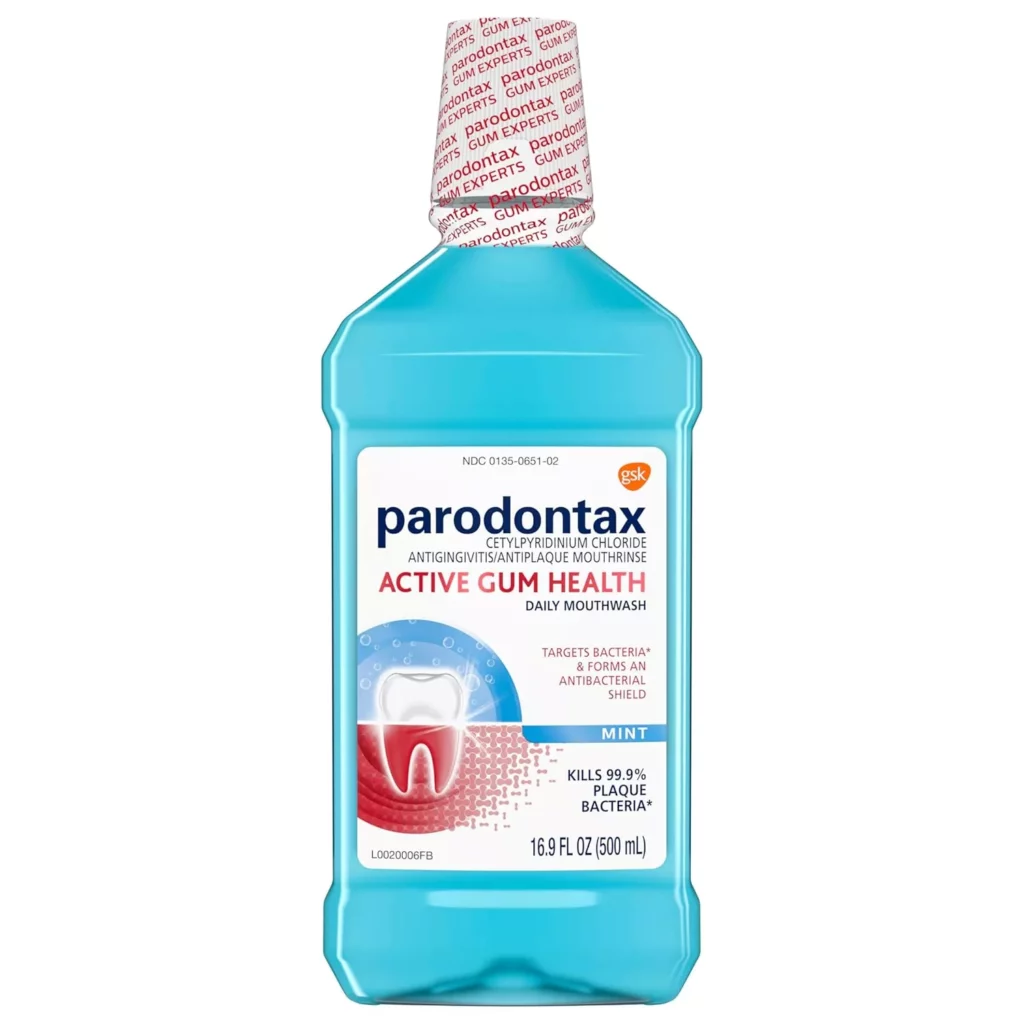
✔ Use alcohol-free antibacterial mouthwash.
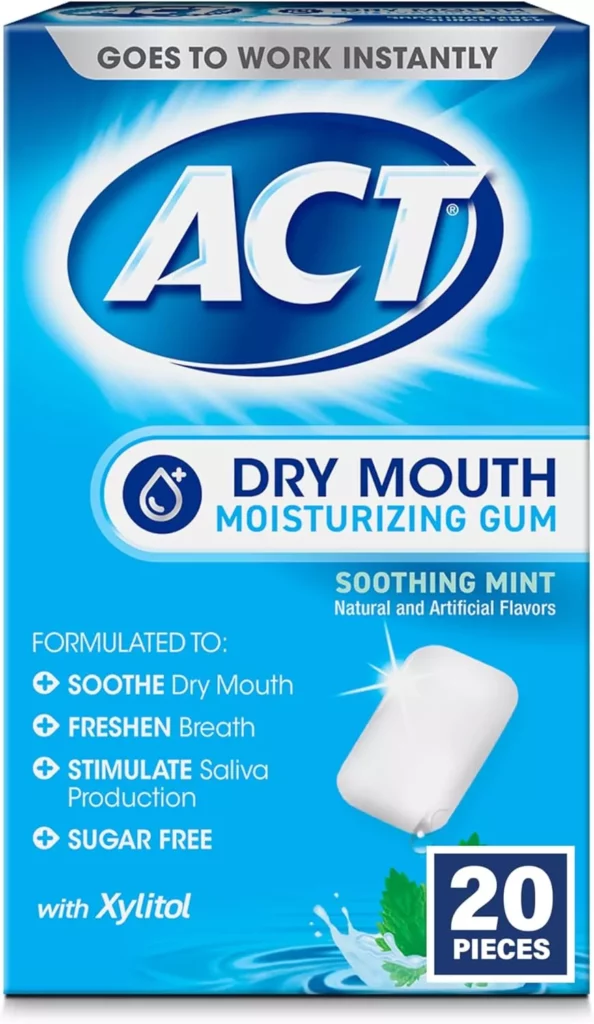
✔ Chew sugar-free gum to stimulate saliva.
✔ Reduce alcohol and tobacco use.
✔ Avoid greasy, salty, or spicy foods.
⚠ Individuals with heart or kidney disease should follow medical guidance regarding fluid intake.
When Should You See a Doctor?
Seek medical evaluation if the salty taste in the mouth:
- Persists longer than 2 weeks
- Occurs with weight loss
- Is accompanied by difficulty swallowing
- Involves swelling in the neck or salivary glands
- Occurs in people with diabetes, kidney disease, heart disease, or autoimmune disorders
- Includes persistent oral bleeding
Medical assessment may include oral examination, medication review, blood tests, or referral to a specialist.
Conclusion
A salty taste in the mouth is often linked to dry mouth, dehydration, infections, or acid reflux. While usually harmless and temporary, persistent symptoms may signal underlying conditions such as autoimmune disease or kidney dysfunction. Early evaluation helps prevent complications and supports overall oral and systemic health.