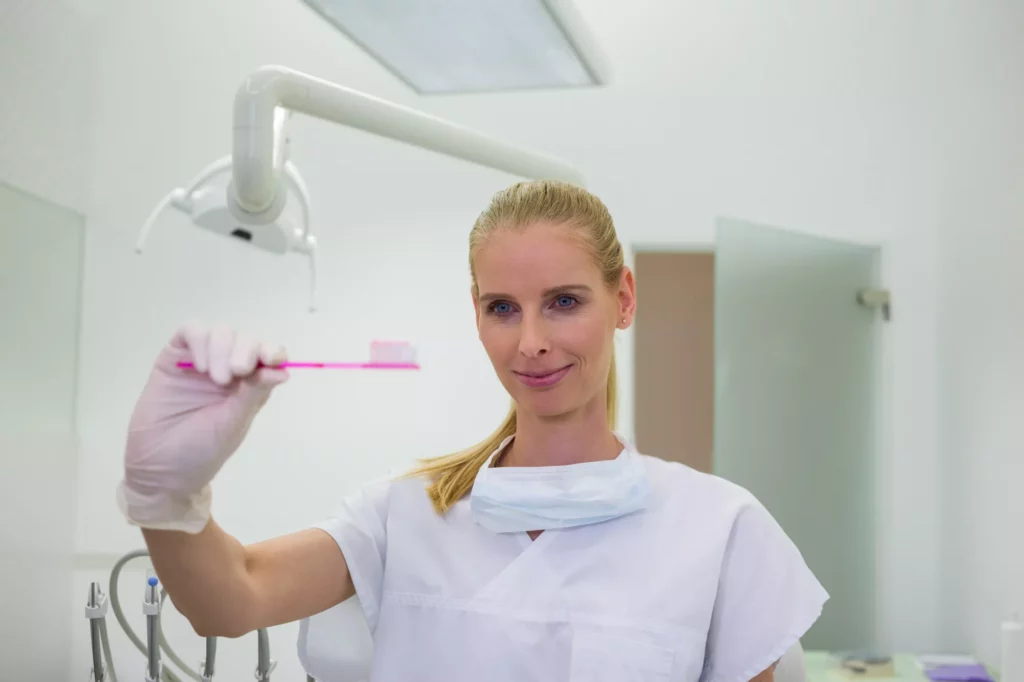
Today, when you visit the dentist, you get advice about brushing, flossing, and eating healthy foods. Your dentist checks your teeth even when nothing hurts. If you have kids, they probably learn about oral health at school. None of this happened by accident. Women scientists made it possible.
So the question is: why don’t we know more about them? This article is an opportunity to learn about those amazing women who changed the way we practice and understand dentistry today.
Why is it important to talk about women in science and dentistry?
Many important discoveries in dentistry were made by women. They did research, taught students, and helped patients. They worked in laboratories, wrote scientific papers, and created new treatments. However, for a long time, their work was not recognized, and their names were missing from history books.
This situation did not happen only in dentistry. In science, medicine, and technology, many women made important contributions, but society often ignored them or gave credit to others.
Who was the first woman dentist?
Lucy Beaman Hobbs Taylor became the first woman dentist in 1866, more than 150 years ago. At that time, dental schools did not accept women. Many people believed dentistry was only “men’s work.”
- Lucy did not give up. She studied on her own, learned from other dentists, and finally was accepted into a dental school.
- After graduating, she opened her own practice.
- Her achievement opened the door for other women.
Even though female dentists faced discrimination and mistrust for many years, Lucy proved that skill, knowledge, and compassion matter more than gender in healthcare.
How have women in science contributed to dentistry?
Women scientists have improved dentistry in many important ways, especially in education, research, and access to care.
How did women improve oral health education?
Alice Harvie Duden was a pioneer in oral hygiene education.
- She taught not only how to brush and clean teeth, but also why oral health matters.
- Her research showed that infections in the mouth can affect other parts of the body, such as the kidneys.
- She also created simple educational programs for schools and communities.
How did women advance dental research?
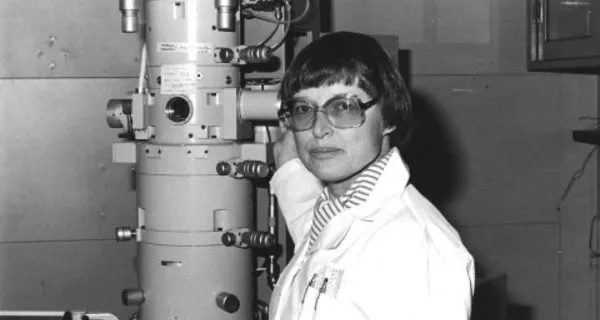
Marie U. Nylen was a leading dental researcher who studied tooth enamel using advanced technology.
- She discovered that the antibiotic tetracycline can damage developing teeth, causing permanent stains.
- Because of her work, the use of this antibiotic was restricted in pregnant women and children.
- She was also known for her strong leadership in scientific research programs.
Dr. Haydée Alarcón worked in Chile and focused on people with limited access to dental care.
- Between 1971 and 1973, she organized the “Health Train,” which traveled to remote areas providing dental treatment and education.
- Her work showed that prevention and education are essential, especially in underserved communities.
In what other areas have women contributed to dentistry?
Beyond research and professional practice, women in science also strengthened dentistry in areas that affect daily life and future generations.
Prevention
Women promoted the idea that visiting the dentist without pain, using fluoride, and learning good hygiene habits early are essential.
Their work helped make regular check-ups part of normal care, reduced serious dental problems, and improved access to clear oral health information.
Pediatric dentistry
Women helped shape pediatric dentistry by focusing on trust, patience, and education. They supported gentler treatment techniques, school-based oral health programs, and approaches that reduce fear of the dentist.
As a result, many children grow up with a healthier and more positive relationship with oral care.
Women contributions improved treatments, expanded access to oral health, and changed how we understand dental care today. Recognizing their work helps us value the past and build a more inclusive and healthier future for dentistry.
What about women in dentistry today?
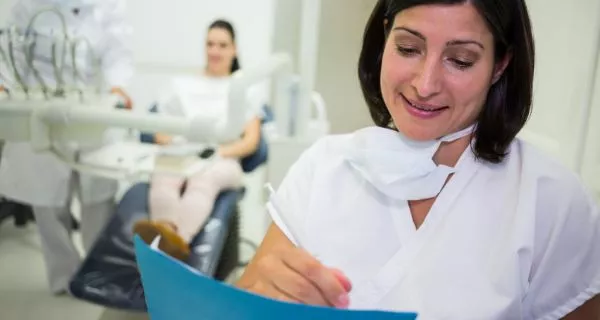
Today, things are very different from Lucy’s time in 1866. Many women work as dentists, teachers, and researchers. In some countries, more than half of dental students are women.
These women are leaders, they run dental schools, conduct important research, train new generations of dentists and create policies that improve oral health for entire communities.
What do women in dentistry focus on today?
Women in science and dentistry contribute in several key areas:
Evidence-based teaching: They don’t just say “do this.”
- They explain the science behind it.
- They show students the research.
- They teach critical thinking.
Patient-centered care: They remember that patients are people, not just teeth.
- They listen to concerns.
- They explain options.
- They respect patients’ choices.
Diversity in healthcare: They understand that different communities have different needs, and work to make dental care accessible to everyone.
Innovation: They develop new treatments, new technologies, and new ways to prevent dental problems.
How does women’s leadership in science impact society?
When dentistry gets better, everyone benefits. Good oral health affects your whole life. Think about it:
- For children: A child with toothaches can’t concentrate in school. They can’t eat properly and might feel embarrassed about their smile. But a child with healthy teeth can focus on learning, growing, and being a kid.
- For adults: Dental problems affect your job, your relationships, and your confidence. Can you imagine going to a job interview with missing teeth? Or avoiding smiling in photos because you’re embarrassed?
- For overall health: Research shows that oral health connects to heart disease, diabetes, and other serious conditions. Taking care of your mouth helps protect your entire body.
A healthy mouth is part of a healthy life. It’s not separate. It’s connected to everything.
Why should we talk about women in science today?
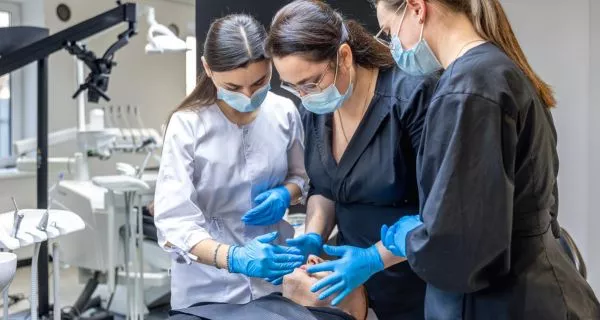
Recognizing women in science inspires and opens paths for the future. Many girls and young women need to see that science and healthcare are also spaces for them.
Talking about women in science:
- Shows girls that science is for everyone
- Gives credit where it’s due
- Corrects historical injustices
- Inspires the next generation of scientists and healthcare workers
Many contributions made by women to science, history, engineering, and other fields were invisible for many years. Recognizing this work is not only an act of justice, but also a necessity for today’s society.
The world has advanced thanks to the effort, dedication, and commitment of many women in the past. Valuing their contributions helps us understand where we come from and why it is so important for women to continue playing an active role in building knowledge.
How can dentistry continue to support women in science?
We’ve made progress, but there’s still work to do. We need to:
- Support women leaders: Create opportunities for women to lead dental schools, research programs, and professional organizations. Listen to their ideas and value their experience.
- Give equal opportunities for research: Make sure women scientists get funding for their projects. Include them in important studies and publish their work.
- Create inclusive workplaces: Build environments where everyone’s talent matters, regardless of gender. Address discrimination when it happens and support work-life balance.
- Mentor the next generation: Connect young women with experienced professionals who can guide them, answer questions, and open doors.
When we invest in women scientists, we invest in better healthcare for everyone. Their perspectives, their ideas, and their dedication make dentistry stronger.
Why are women in science essential to the future of oral health?
At World of Dentistry, we want people to know this history. We believe education means recognizing the people who built this field. Behind every healthy smile is science and hard work. And much of that work was done by women who never got the recognition they deserved.
Their stories deserve to be told. Their contributions deserve to be remembered. And their legacy continues in every dental office, every research lab, and every smile around the world.
The next time you visit your dentist, remember: you’re experiencing more than just dental care. You’re experiencing the result of centuries of work by dedicated scientists—many of them women who fought for the right to contribute to science.
Let’s honor them by continuing their work: making dental care better, more accessible, and more human for everyone.