
Last Updated on: 23rd January 2026, 10:36 am
January 12 is National Pharmacist Day. This date is important because many people go to their local pharmacy for advice when they cannot visit a doctor or dentist right away.
Pharmacists are trained to guide patients in choosing the right products, including daily oral hygiene products that support good oral health.
Having a daily dental cleaning routine is essential to keep teeth and gums healthy. If your dentist recommends a specific toothbrush or you run out of it, your pharmacist can help you choose the right option.
What dental products are essential for daily oral hygiene?
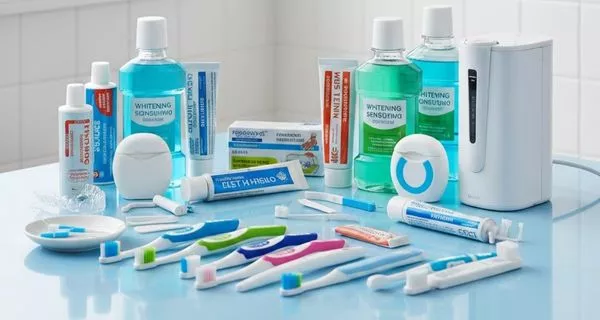
There are many dental products that help keep your teeth and gums healthy. You can find them in local pharmacies or online stores like Amazon, making it easy to keep a daily oral hygiene routine for all ages and needs.
What dental products are recommended for babies and children?
Choosing the right products is very important and should always follow the advice of a pediatric dentist or pharmacist.
Electric toothbrush for kids

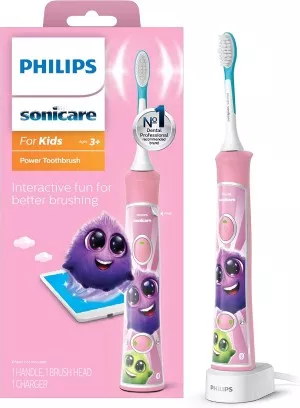
The Philips Sonicare Kids is a sonic electric toothbrush designed for children over 3 years old. It makes brushing fun and effective.
It includes a timer and can connect to educational apps that help children build good oral hygiene habits.
Fluoride toothpaste for children
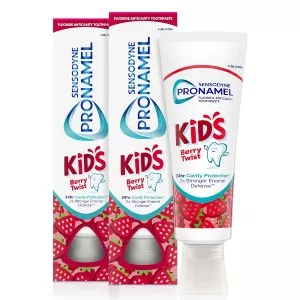
Sensodyne Pronamel Kids is a fluoride toothpaste with a fruity flavor, designed for children aged 2 years and older.
It helps protect enamel and prevent cavities while offering a taste that most children enjoy.
It is a good option when your child already knows how to spit after brushing.
Fluoride-free training toothpaste
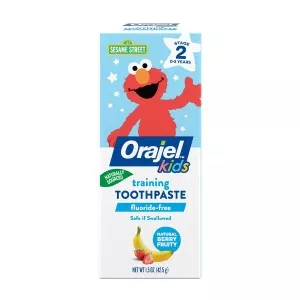
For younger children who cannot spit yet, fluoride-free training toothpaste is recommended. Brands like Orajel offer baby toothpaste with soft flavors and child-friendly characters.
These toothpastes clean baby teeth safely and help children get used to brushing without risk if swallowed.
Mouthwash for children

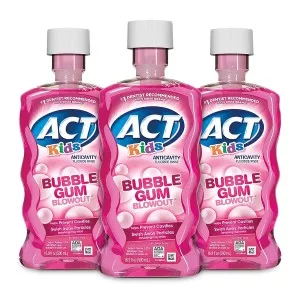
In addition to toothpaste and a toothbrush, you can add a children’s mouthwash like ACT Kids, available in mild flavors.
Mouthwash helps freshen breath and reduce bacteria. Always choose alcohol-free formulas made for children.
When buying dental products for children—whether in a pharmacy, online, or on Amazon—always check the ingredients and age recommendations. If you have questions, ask your pediatric dentist or pharmacist for guidance.
What dental products are ideal for teens and adolescents?
Many teenagers care a lot about their appearance, so they often look for whiter smiles while maintaining good oral hygiene.
At the same time, teens with braces need special tools to clean around brackets and wires.
Whitening toothpaste
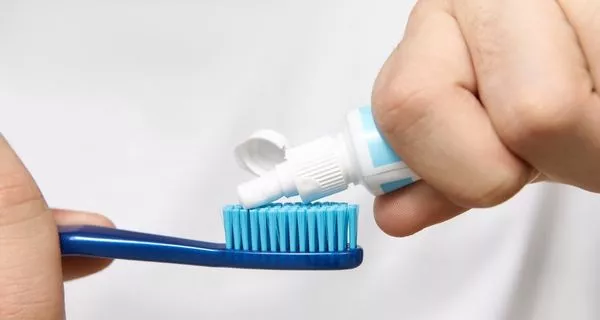
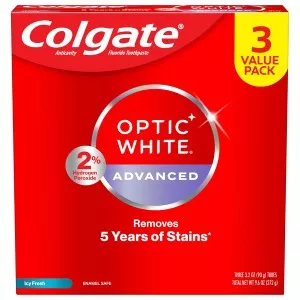
Colgate Optic White Advance is a whitening toothpaste with hydrogen peroxide that helps remove and prevent stains.
It contains fluoride, which protects against cavities. It is ideal for teenagers who want a whiter smile without professional treatments.
Whitening strips
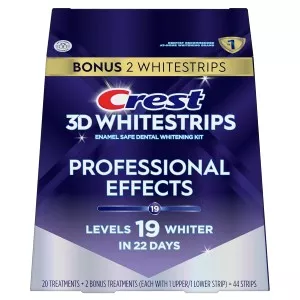
Crest 3D Whitestrips offer a whitening kit that promises professional-looking results in about 20 days.
They are used daily and stick to the teeth for 45 minutes, helping to remove even deep stains and improve the appearance of the smile.
Interdental brushes
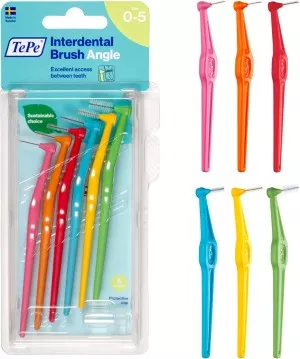
TePe interdental brushes come in different sizes and have handles that make them easy to use from different angles.
They help remove plaque between teeth and around braces and wires, reaching areas that regular toothbrushes cannot.
Dental floss for braces
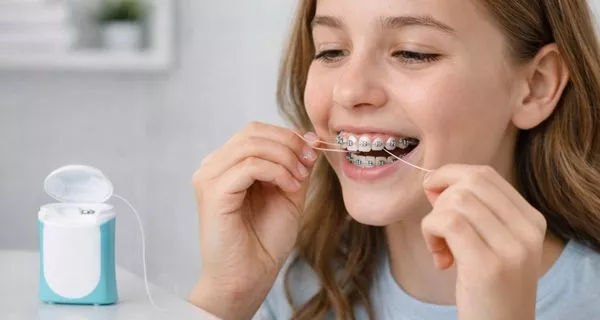
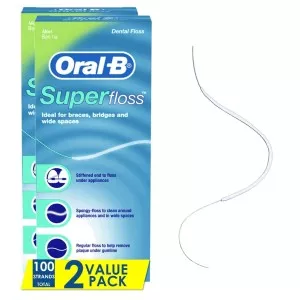
Oral-B Super Floss is specially designed for braces, bridges, and wide spaces between teeth.
It has a stiff end to guide the floss under wires and a spongy section to clean hard-to-reach areas effectively.
These products help teenagers to keep a healthy and attractive smile while making it easier to clean around braces and difficult areas.
They are easy to find in local pharmacies or online stores like Amazon, allowing teens to choose the best option for their needs in order to maintain a complete daily oral hygiene routine.
What dental products are recommended for adults?
In adulthood, oral health needs more attention, especially with problems like tooth sensitivity, gum recession, tartar buildup, or bad breath.
Using the right products helps achieve deeper and more effective cleaning at home.
Advanced electric toothbrush
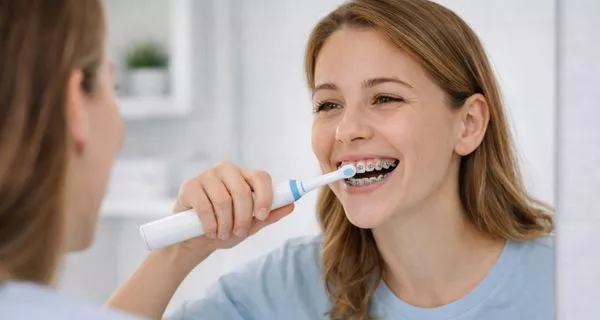
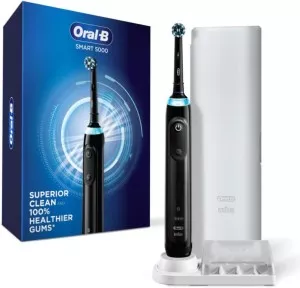
The Oral-B Smart 5000 is an electric toothbrush with a timer and Bluetooth connection. It includes a sensitive gums mode for gentle but deep cleaning.
Its round brush head and multiple modes provide better cleaning than a traditional manual toothbrush.
Toothpaste for sensitive teeth
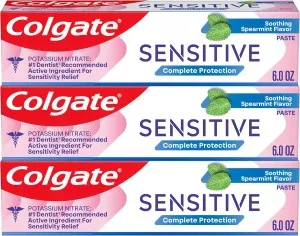
Colgate Sensitive toothpaste helps strengthen enamel, protect against sensitivity, and prevent cavities.
It is gentle and ideal for adults with sensitive teeth and gums.
Water flosser
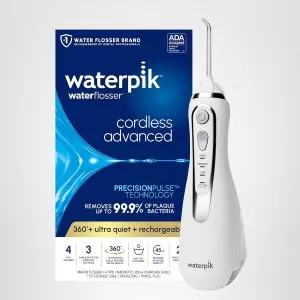
The Waterpik Cordless Advanced 2.0 is a rechargeable, portable oral irrigator with rotating tips and ADA acceptance.
It helps remove plaque, improve gum health, and clean areas that brushing cannot reach.
Tongue scraper
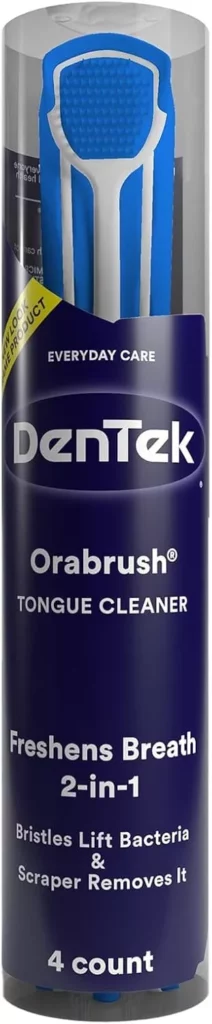
The Dentek Orabrush Tongue Cleaner removes bacteria from the tongue, helping prevent bad breath and improve overall mouth freshness.
Fluoride mouthwash
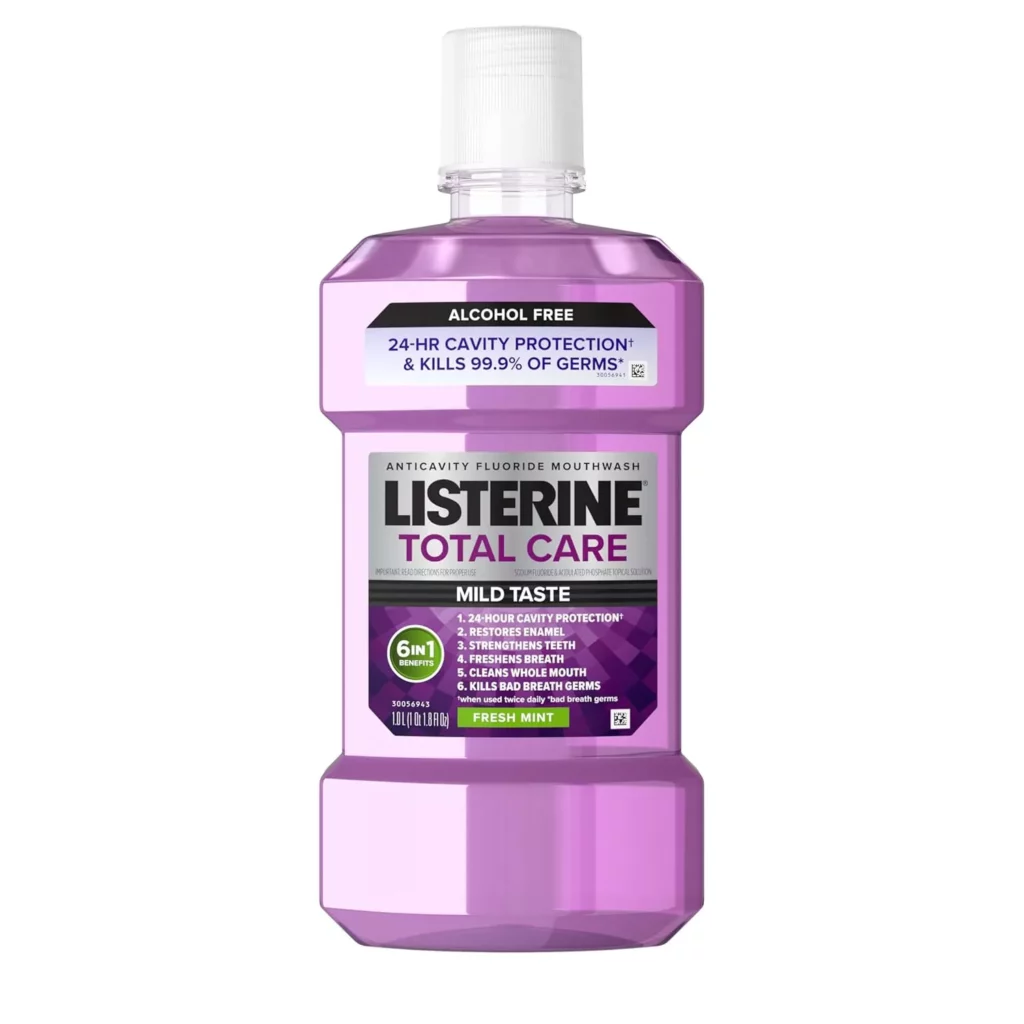
Listerine Total Care Anticavity is a fluoride mouthwash that strengthens cavity protection, fights bacteria, and leaves breath fresh.
Using it after brushing and flossing helps to maintain a complete oral hygiene routine.
These products help adults create a more complete daily oral care routine at home, closer to professional care. They protect sensitive teeth, support delicate gums, and help keep breath fresh every day.
How can you choose the right dental products for you?
Choosing the right dental products is not always easy because needs change with age, habits, and oral health conditions.
When you cannot visit the dentist right away, your pharmacist can help you choose safe and effective products for your daily routine.
How does your age affect the products you need?
- Babies and young children need fluoride-free products if they are under 2 years old, or low-fluoride products with mild flavors as they grow.
- Teenagers often benefit from gentle whitening toothpaste, cavity protection, and products made specifically for braces.
- Adults usually need toothpaste for sensitivity, gum care, and deeper cleaning to protect long-term oral health.
What should you use if you have sensitive or bleeding gums?

If your gums feel sore or bleed easily, it is important to use a soft-bristle toothbrush or an electric model with pressure control.
Toothpaste and mouthwash made for gum care help reduce irritation and support healthier gums over time.
Which products are best if you wear braces, implants, or dentures?
Braces, implants, and dentures require extra care.
- Special dental floss, interdental brushes, and water flossers help clean areas that a regular toothbrush cannot reach.
- Avoid abrasive products, as they may damage dental appliances or sensitive surfaces.
How can you help prevent cavities and strengthen enamel?
To protect your teeth every day, choose products with fluoride given ADA approval.
These products help strengthen enamel and reduce the risk of cavities when used as part of a regular oral hygiene routine.
Getting advice at the pharmacy allows you to choose dental products that fit your needs, support your daily routine, and help maintain good oral health between dental office visits.
What common oral hygiene mistakes should you avoid?

Pharmacists and dentists often see habits that can harm oral health, even in people who think they practice a good daily routine. Avoiding these common mistakes can help protect your teeth and gums long term.
- Brushing too hard:Using too much force when brushing can wear down the enamel and cause gums to pull back. This is common when using hard toothbrushes.
- Not using dental floss or using it the wrong way: Brushing alone does not clean between the teeth. Without flossing, plaque builds up and increases the risk of cavities and gum disease.
- Choosing the wrong dental products: Toothpaste that is too abrasive or not made for sensitive teeth can cause pain and damage over time.
- Not changing your toothbrush or brush head often: A worn toothbrush or electric brush head does not clean well and becomes less effective.
Fixing these habits and asking for guidance can improve your daily oral care routine and help prevent serious dental problems.
How does the pharmacist support daily dental care?
A dentist is important for diagnosis and treatment, while a pharmacist helps with daily oral care.
Pharmacists guide patients in choosing the right dental products for each age and need. Their advice helps maintain good oral hygiene between dental visits and supports a healthy smile over time.