Last Updated on: 23rd January 2026, 10:51 am
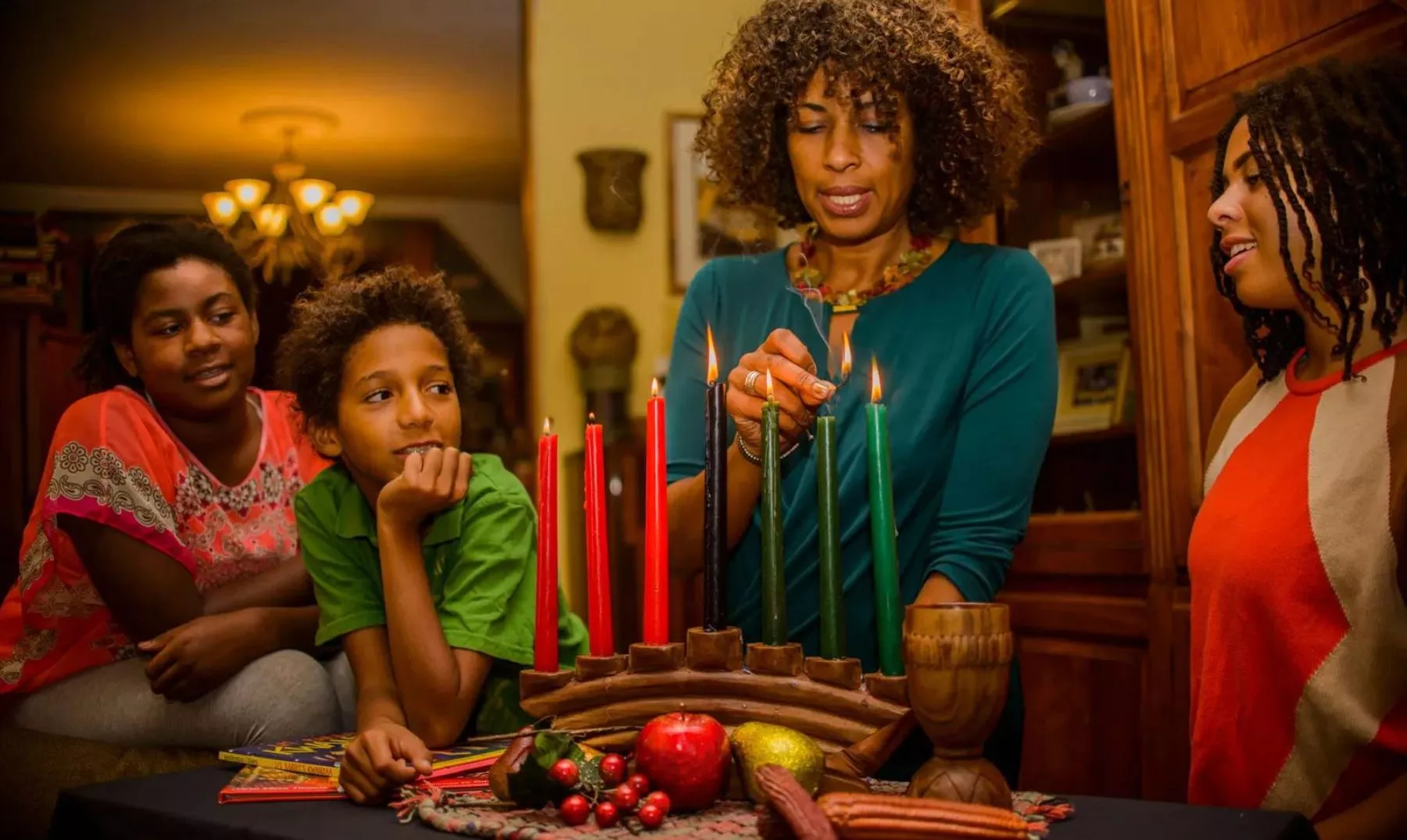
Kwanzaa is a cultural celebration observed from December 26 to January 1. It honors African heritage and community values through seven principles called the Nguzo Saba.
Kwanzaa traditions focus on unity, self-respect, responsibility, and intentional living. These values are not only cultural or spiritual, but they also apply to health. Taking care of the body, including the mouth, is a form of respect for yourself and your community.
Oral health is part of overall health. When families see dental care as self-care, it becomes more meaningful and easier to maintain.
How are kwanzaa traditions connected to oral health?

Kwanzaa traditions encourage mindful daily habits. Brushing and flossing may seem simple, but they protect the body in powerful ways.
Healthy teeth and gums help to:
- support good nutrition
- increase confidence
- support clear communication
- prevent infections that affect the whole body
- reduce future dental costs
When oral care is seen as an act of respect and responsibility, it becomes more than a routine, it becomes a daily ritual with purpose.
Which kwanzaa principles relate to oral care?
Each of the seven Kwanzaa traditions can connect naturally with oral health habits.
Umoja (Unity)
Umoja means unity within the family and the community.
- In oral health, unity appears when families care for their smiles together.
- Brushing at the same time, helping young children, and setting shared routines create a sense of teamwork.
- When adults model good oral habits, children are more likely to follow them and retain those habits for life.
Kujichagulia (Self-determination)
Kujichagulia is about making responsible choices for yourself.
- Oral health depends on daily decisions, such as brushing twice a day, flossing, and attending regular dental checkups.
- Choosing to care for your mouth shows self-control, independence, and respect for personal health.
Ujima (Collective work and responsibility)
Ujima teaches that we support each other and share responsibility.
- In a family, this means reminding, encouraging, and helping one another keep healthy habits.
- When oral care becomes a shared effort, it feels less like a chore and more like a collective goal.
Ujamaa (Cooperative economics)
Ujamaa focuses on using resources wisely for the good of everyone.
- Preventive oral care helps avoid costly dental treatments in the future.
- By investing time in daily hygiene and regular checkups, families protect their finances and reduce long-term health expenses.
Nia (Purpose)
Nia is having a clear purpose in life.
- Healthy teeth and gums support important goals such as good communication, confidence, and overall well-being.
- When oral health is connected to personal purpose, people are more motivated to care for their smiles consistently.
Kuumba (Creativity)

Kuumba encourages creativity and positive expression.
- In oral care, creativity helps make routines enjoyable, especially for children.
- Using music, timers, fun toothbrushes, or games turns brushing into a pleasant experience instead of a struggle.
Imani (Faith)
Imani represents faith and trust.
- In oral health, it means believing that daily care matters, even without immediate results.
- Staying consistent with brushing, flossing, and preventive care requires trust in the long-term benefits of healthy habits.
When families apply the principles of Kwanzaa to oral health, dental care becomes meaningful. These values encourage unity, responsibility, creativity, and long-term thinking.
By connecting Kwanzaa traditions with daily oral hygiene, families build strong habits that support healthy smiles, personal confidence, and community well-being throughout the year.
How can families practice oral care during kwanzaa?

Kwanzaa is a time for family connection and reflection, making it a perfect moment to reinforce healthy habits.
Families can:
- brush together at the same time each day
- talk about why oral health matters
- let children choose their toothbrush or timer
- prepare tooth-friendly meals and snacks
- limit sugary treats during celebrations
Small actions during Kwanzaa can lead to habits that last all year.
What daily habits should families follow for oral health?
Simple habits reflect discipline, respect, and long-term thinking:
- Brush twice a day with fluoride toothpaste.
- Floss once daily.
- Drink plenty of water.
- Limit sugary foods and drinks.
- Schedule regular dental checkups.
These habits support both personal health and community well-being.
Can kwanzaa traditions inspire better oral care for children?
Yes, children learn best when habits have meaning. When oral hygiene is connected to family traditions, it feels important and not forced.
Parents can:
- explain brushing as self-care and pride.
- focus on consistency, not perfection.
- encourage independence with guidance.
- include oral care in daily family routines.
This helps children build a positive relationship with their health.
What dental products can help the whole family?
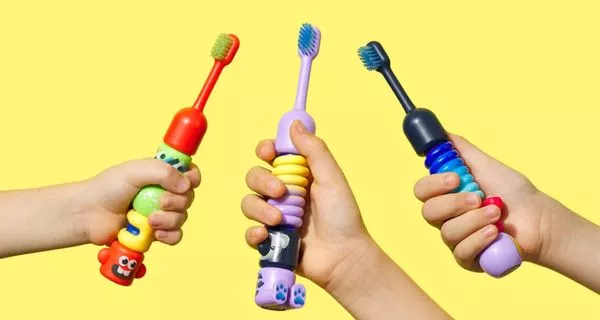
Daily oral care becomes easier when families use the right products. Simple tools help protect the smile, support healthy routines, and make oral hygiene more enjoyable for both adults and children.
Choosing family-friendly dental products also reinforces responsibility, shared care, and consistency, values that align well with Kwanzaa traditions.
- Soft-bristle toothbrushes in fun colors: Soft bristles protect the enamel and gums, while bright colors motivate children to brush every day and feel excited about their routine.
- Toothbrush holders or disinfecting cases: These help keep toothbrushes clean and organized. They also teach shared responsibility, as each family member learns to care for their own tools.
- Dental floss or floss picks: Flossing is essential to clean between teeth where the toothbrush cannot reach. Using floss daily helps prevent cavities and gum problems.
- Fluoride mouth rinses: Mouth rinses with fluoride add extra protection against cavities and support strong enamel, especially for families focusing on prevention.
- Fluoride or enamel-strengthening toothpaste: Using the right toothpaste helps protect teeth and supports daily self-care for all ages.
- Brushing timers or apps with music: Timers and apps turn brushing into a fun and creative moment, helping children brush for the full recommended time.
- Reusable water bottles: Drinking water helps clean the mouth naturally and supports overall health. Reusable bottles also encourage sustainable and healthy habits.
Using these products regularly helps families build positive oral care routines that last beyond Kwanzaa and continue throughout the year.
How does oral health strengthen community well-being?
Oral health affects more than one person. Poor dental care can lead to infections, missed school or work, and long-term health problems.
Healthy smiles support:
- better communication
- higher self-esteem
- stronger social connections
- better quality of life
Caring for oral health honors the community values celebrated during Kwanzaa.
How do kwanzaa traditions encourage preventive care?

Kwanzaa traditions focus on planning for the future. Preventive oral care follows the same idea.
Prevention:
- reduces pain and discomfort
- lowers future dental costs
- protects overall health
- supports long-term wellness goals
Seeing oral care as prevention, not reaction, reflects wisdom and purpose.
How can World of Dentistry support families during kwanzaa?
At World of Dentistry, we help families turn healthy ideas into real habits.
We support families through:
- education about daily brushing, flossing, and nutrition
- guidance on building simple and sustainable routines
- information about preventive care and regular dental visits
During Kwanzaa, we invite families to reflect on how cultural values can support lifelong oral health.
Honoring kwanzaa traditions through healthy smiles
Kwanzaa traditions celebrate unity, responsibility, and purposeful living. Oral health fits naturally into these values.
By connecting daily dental care with cultural traditions, families can start the new year with healthier smiles, stronger routines, and lasting well-being.
A healthy smile is more than dental care, it is a reflection of balance, intention, and community strength.