Last Updated on: 23rd March 2026, 10:09 am
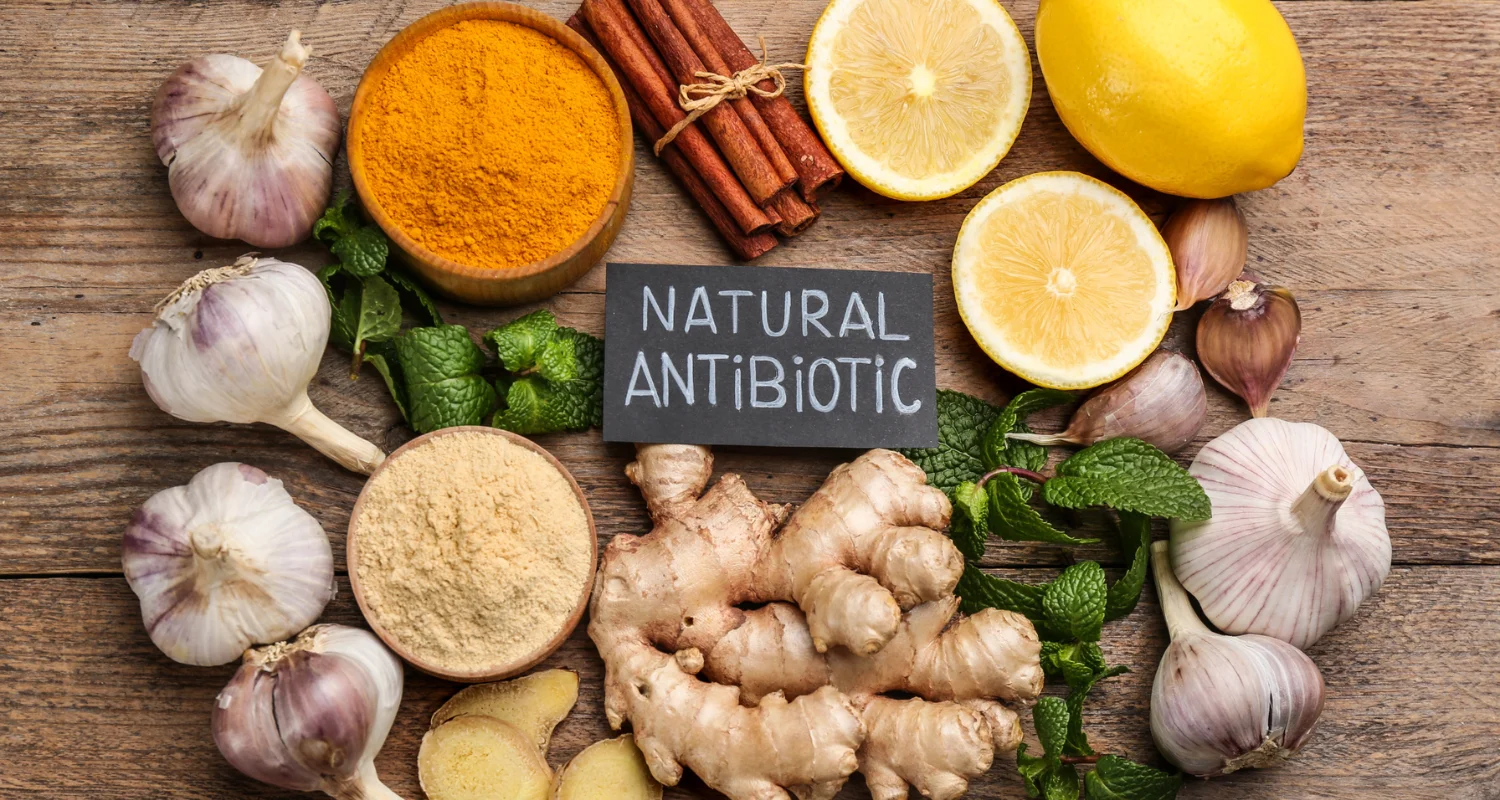
If you are wondering what is a natural antibiotic, you have come to the right place. Today many patients are looking for safer, more natural ways to support their oral health.
Natural antibiotics come from plants and foods. They help fight harmful bacteria and may also reduce inflammation and support the immune system. Because of concerns about antibiotic resistance and side effects, more people are exploring these natural options for mild dental problems.
In this article, you’ll learn what natural antibiotics are, how they work, and how they can support your daily oral care routine.
What is a natural antibiotic?

A natural antibiotic is a substance obtained from nature, including plants, foods, and organic compounds, that possesses antimicrobial properties capable of targeting and eliminating harmful bacteria.
Unlike synthetic antibiotics, natural antibiotics offer additional health benefits beyond fighting infection. They:
- Boost immunity
- Reduce inflammation
- Provide antioxidant effects
These features make natural antibiotics especially appealing for holistic oral health care. However, it’s important to recognize its limitations: these remedies work best for mild infections and should complement, not replace, professional dental treatment.
How do natural antibiotics work against oral bacteria?
Natural antibiotics fight harmful oral bacteria in three main ways:
- Inhibiting bacterial growth: Some natural compounds slow down or block bacterial growth, helping control infection.
Allicin in garlic and curcumin in turmeric interfere with bacteria’s ability to reproduce, reducing their numbers without heavily affecting beneficial bacteria.
- Strengthening the body’s natural defenses: Certain natural ingredients help boost the immune system.
Green tea (rich in catechins) and vitamin C support the body’s ability to fight infection, reduce gum inflammation, and repair damaged tissues.
- Damaging bacteria directly: Some natural substances attack bacterial cell walls or disrupt their internal processes.
Clove oil (eugenol) and oregano oil (thymol) can weaken and destroy bacteria, while honey creates an environment where bacteria cannot easily survive.
Because of these combined effects, natural antibiotics can help manage mild oral infections while also supporting overall gum health.
Are natural antibiotics better than prescription medication?
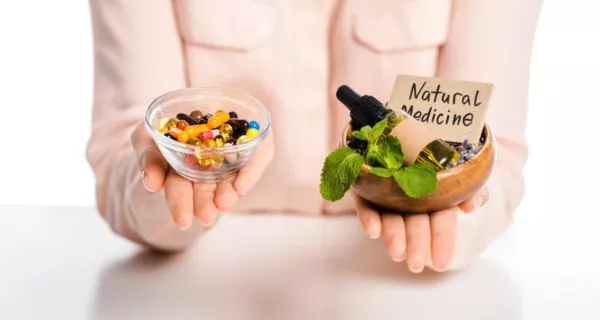
Knowing what is a natural antibiotic also means understanding how it compares to conventional medicine:
Advantages of natural antibiotics
- Gentler on the body: They usually cause fewer side effects than synthetic antibiotics and are less likely to disrupt the balance of good bacteria.
- More than just antibacterial: Many natural options (like turmeric, honey, or green tea) also reduce inflammation, provide antioxidants, and support the immune system. This means they not only fight bacteria but also help the body heal.
- Accessible and affordable: They are often easy to find, cost-effective, and available without a prescription, making them practical for everyday support.
Limitations of natural antibiotics
- Slower and milder action: Natural antibiotics usually act more gradually than medical antibiotics, so they are best for mild infections and early-stage problems. They are not suitable for severe or rapidly progressing infections.
- Limited spectrum and scope: Many natural remedies target only certain types of bacteria and may not work against all infections.
- Variable strength and research: Dosage and potency can vary widely between products, and not all remedies are fully supported by scientific studies.
- Possible allergies and interactions: Some people may have allergic reactions (e.g., to garlic or tea tree oil), and natural remedies can interact with medications like blood thinners.
- Pregnancy and breastfeeding caution: Natural antibiotics should not be used during pregnancy or while breastfeeding without professional guidance.
- Storage and shelf-life issues: Natural products can lose potency if not stored properly.
- Risk of misuse: Self-medication may delay proper treatment or cause complications.
Natural antibiotics can support mild oral problems and overall health, but they should complement, not replace, professional dental care when stronger treatment is needed
What is a natural antibiotic? 10 options for oral health

Garlic
Garlic contains allicin, the most well-studied natural antibiotic compound, particularly effective against bacteria causing gingivitis and periodontitis.
How to use it:
- Crush one clove and apply directly to the affected area for 2–3 minutes.
- Mix with coconut oil for a gentler, easier-to-apply antibacterial paste.
Regular raw garlic consumption also strengthens systemic immunity, supporting faster recovery from oral infections.
Honey
Raw honey, especially Manuka honey, acts through its low pH and active compound methylglyoxal (MGO), which dehydrates and destroys bacteria. Its natural sweetness makes it a pleasant addition to any oral care routine.
How to use it:
- Apply a small amount directly onto ulcers or irritated gums.
- Mix with warm water as a gentle antibacterial mouth rinse.
Clove oil
Clove oil is one of the most recognized natural antibiotics in dentistry. Its active compound, eugenol, delivers powerful antiseptic and analgesic effects, providing fast relief from toothaches and gum infections.
How to use it:
- Dilute 2–3 drops in a carrier oil (coconut or olive).
- Apply with a cotton ball onto the affected tooth or gum.
Caution: Never apply undiluted clove oil, it can irritate or burn oral tissues.
Turmeric
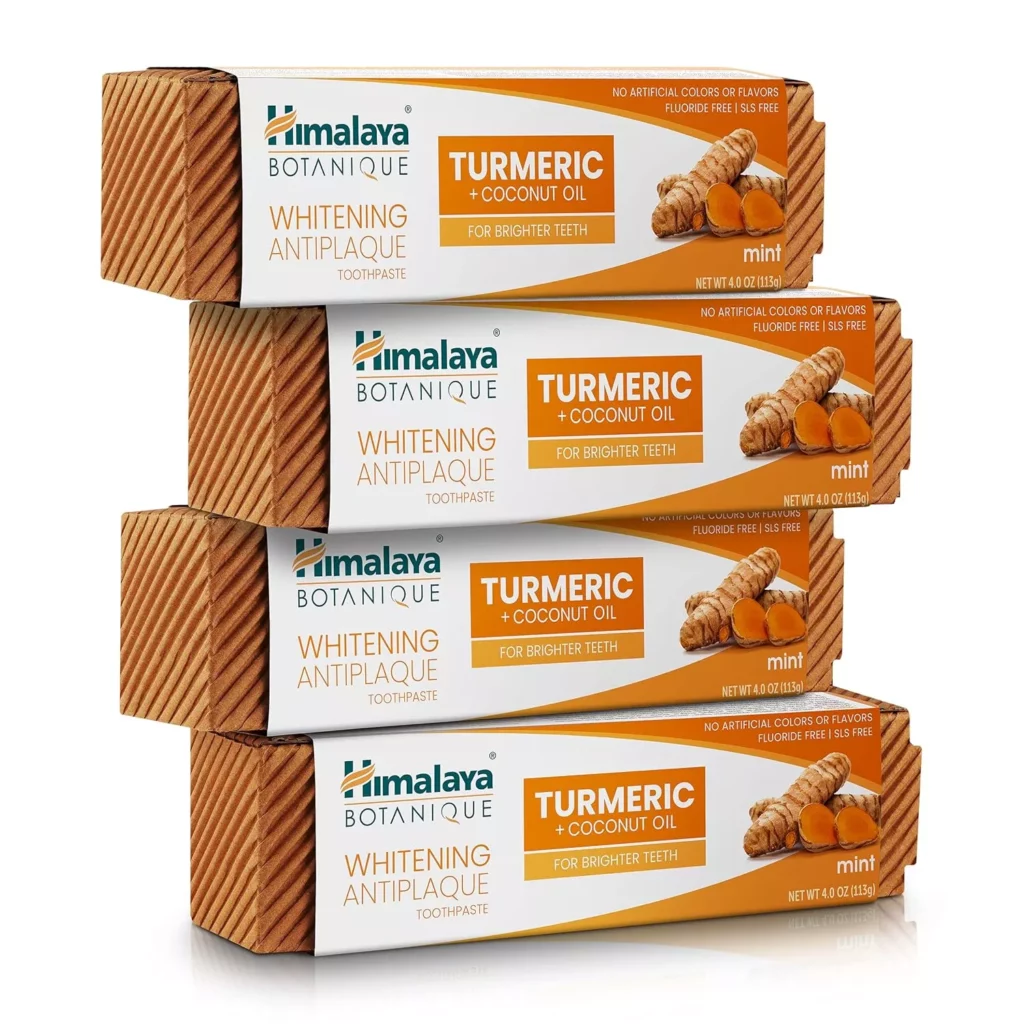
Turmeric delivers curcumin, a compound with well-documented anti-inflammatory and antimicrobial properties. It ranks among the most versatile natural antibiotics for reducing gum inflammation and fighting mild bacterial oral infections.
How to use it:
- Mix turmeric powder with water or coconut oil to form a paste.
- Apply to the gums for 5–10 minutes, then rinse thoroughly.
Coconut oil
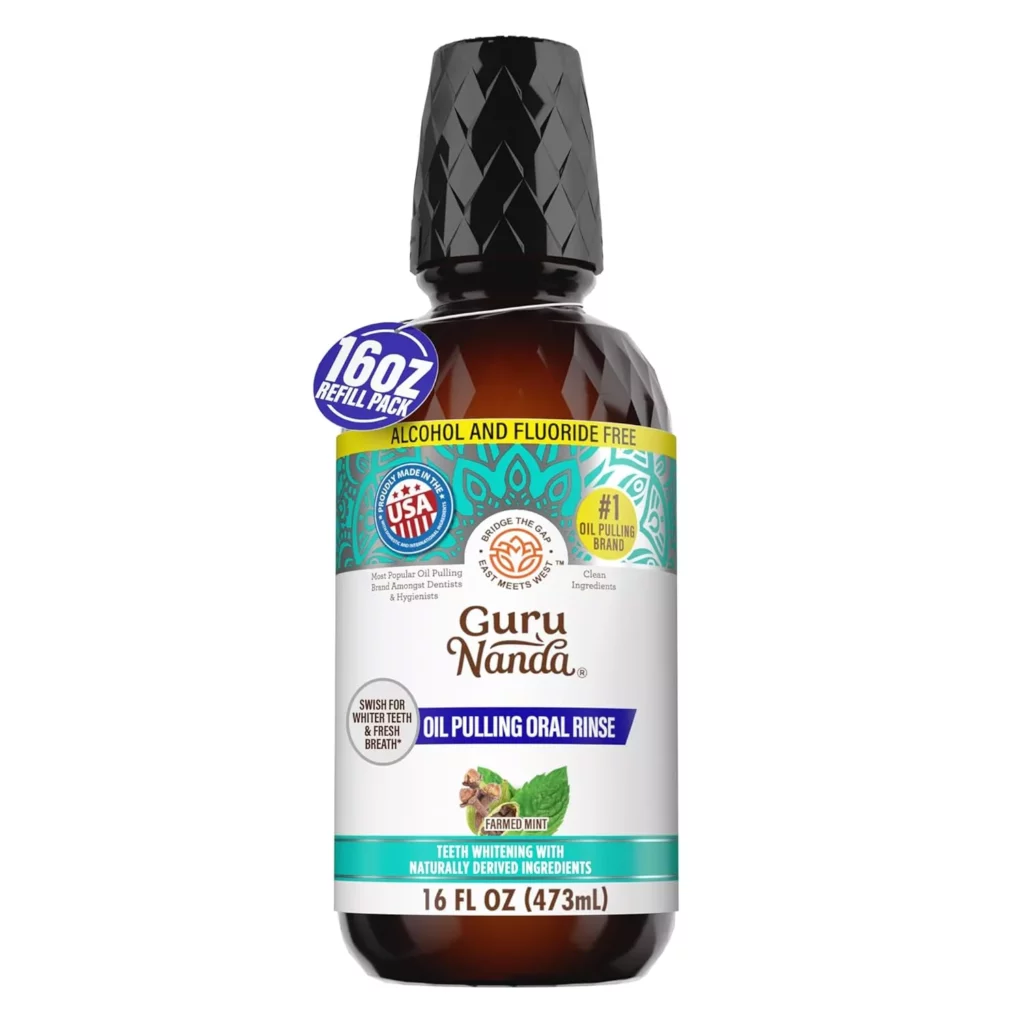
Coconut oil contains lauric acid, a natural antibiotic compound that destroys harmful bacteria and prevents plaque buildup. The oil pulling technique maximizes its antibacterial reach across the entire oral cavity.
How to use it:
- Swish one tablespoon in your mouth for 10–15 minutes.
- Spit it out, never swallow, and rinse with water.
- Practice on an empty stomach each morning for best results.
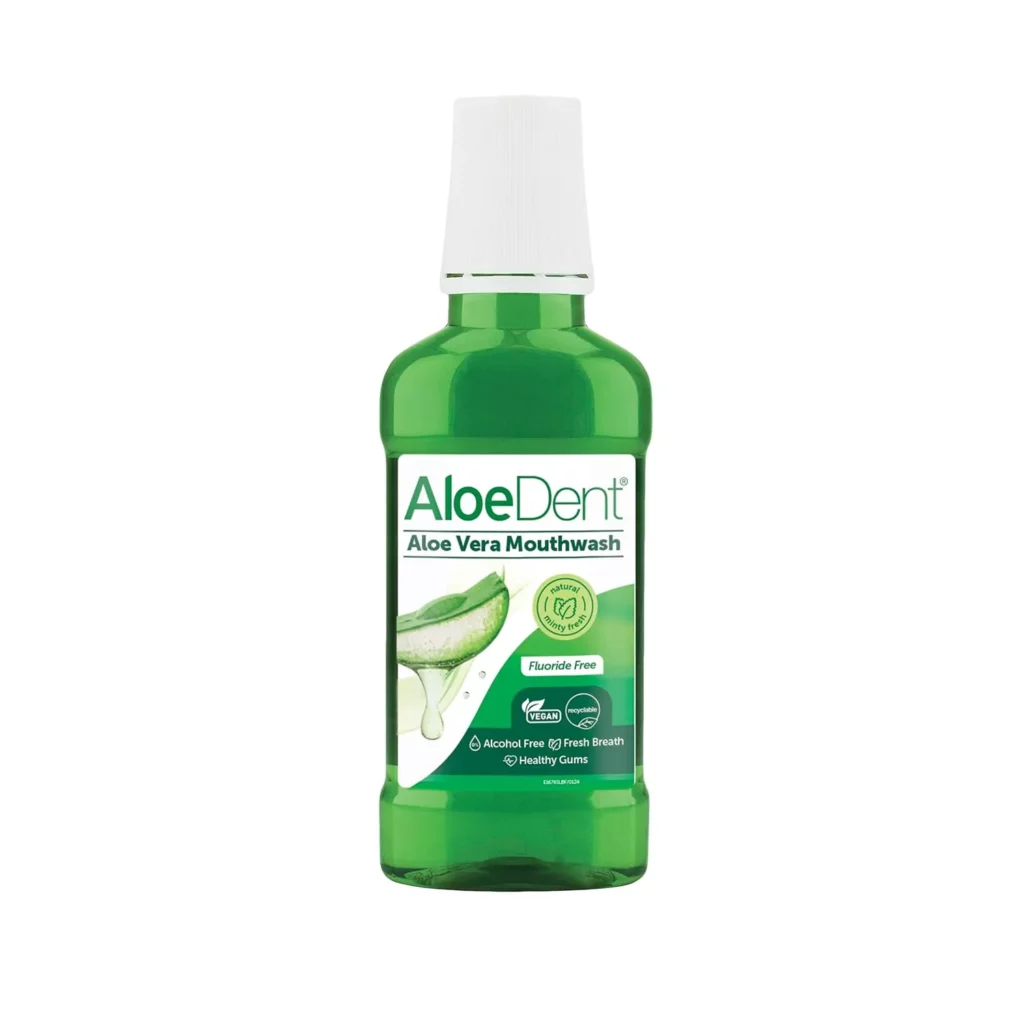
Aloe vera
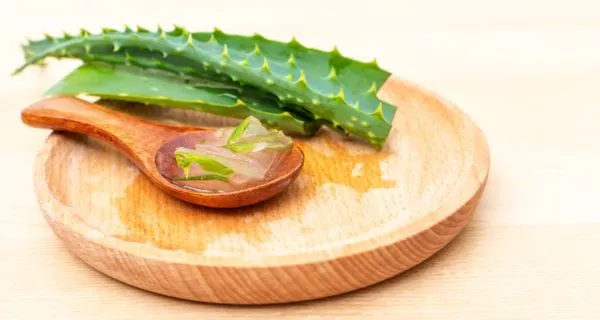
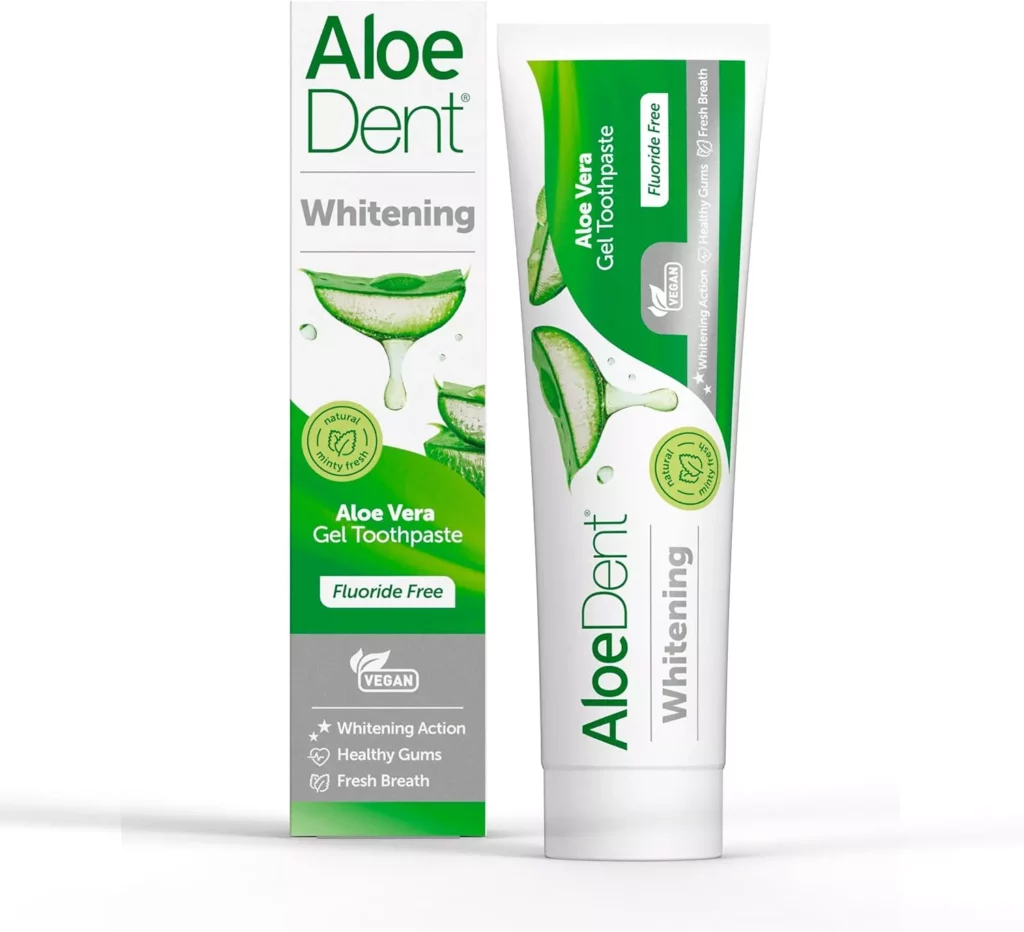
Aloe vera contains aloin and aloe-emodin, compounds that inhibit Streptococcus mutans, the primary bacteria responsible for tooth decay, by disrupting protein synthesis in bacterial cells.
How to use it:
- Apply pure aloe vera gel directly onto irritated gums or mouth ulcers.
- Dilute with water and use as a gentle daily mouth rinse.
Ginger
Ginger contains gingerols and shogaols, natural antibiotic compounds that fight oral bacteria and reduce inflammation in sensitive or painful gum tissue.
How to use it:
- Brew fresh ginger tea and use it as a warm mouth rinse.
- Apply freshly grated ginger paste directly onto affected areas.
Apple cider vinegar
Apple cider vinegar contains acetic acid, a natural antibiotic compound that reduces bacterial growth responsible for bad breath and creates an environment less favorable to harmful oral microorganisms.
How to use it:
- Dilute 1 tablespoon in a glass of water and gargle.
- Limit use to 2–3 times per week.
Important: Undiluted or frequent use permanently erodes tooth enamel. Always follow your dentist’s recommendations.
Green tea
Green tea is rich in catechins (EGCG and ECG), natural antibiotic antioxidants that inhibit cavity-causing bacteria and block the collagenase activity of Porphyromonas gingivalis, the bacterium responsible for gum tissue destruction.
How to use it:
- Drink one cup of unsweetened green tea daily.
- Use it warm as a mouth rinse after evening brushing.
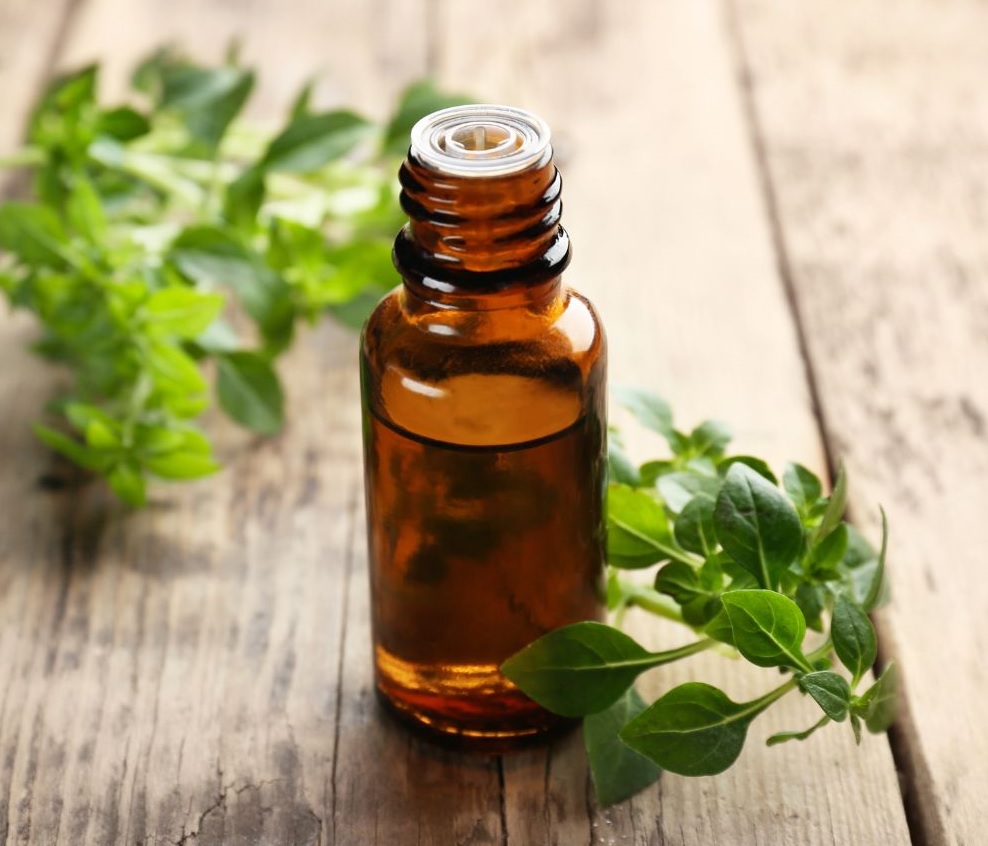
Oregano oil
Oregano oil contains carvacrol and thymol, two of the most potent natural antibiotic compounds, effective against bacteria causing tooth decay, periodontal disease, and oral infections.
How to use it:
- Mix 2–3 drops with a carrier oil and apply to affected areas.
- Dilute in water and use as an antibacterial mouth rinse.
Many of these natural home antibiotics are already used in oral care products like toothpastes and mouthwashes, making them a gentle, natural, and effective option for daily oral hygiene.
When should you use a natural antibiotic for oral health?

Natural antibiotics can help manage common oral problems. The table below shows which remedies work best for each issue and their main benefits.
| Oral Problem | Best Natural Antibiotic | Primary Action |
| Mild gingivitis | Turmeric, aloe vera | Anti-inflammatory |
| Mouth ulcers | Manuka honey, aloe vera | Healing and soothing |
| Bad breath | Green tea, apple cider vinegar | pH balancing |
| Cavity prevention | Coconut oil, clove oil | Antibacterial barrier |
| Toothache | Clove oil | Analgesic and antiseptic |
| Tooth sensitivity | Clove oil, ginger | Nerve-soothing |
| Post-dental recovery | Turmeric, honey, aloe vera | Anti-inflammatory and healing |
| Dry mouth | Aloe vera, green tea | Hydrating and antibacterial |
| Gum infections | Garlic, oregano oil | Antibacterial and antimicrobial |
Using these natural remedies alongside regular brushing, flossing, and dental visits can support oral health, soothe discomfort, and prevent minor infections naturally.
How do you use a natural antibiotic safely at home?
Using natural antibiotics at home can support oral health, but it’s important to do so safely. Follow simple guidelines to get the benefits while protecting your teeth, gums, and overall health.
- Combine with complete oral hygiene: Brush with fluoride toothpaste, floss daily, and attend regular dental checkups.
- Use in moderation: Overuse disrupts the healthy balance of oral microbiota.
- Patch test first: Apply to a small skin area before using in the mouth, especially if you have known allergies.
- Choose quality products: Pure essential oils, unprocessed honey, and certified organic options deliver better results.
- Consult your dentist if symptoms do not improve within 48–72 hours or if the infection intensifies.
- Know the limits: A natural antibiotic complements professional treatment, it does not replace it. This applies especially to pregnant or breastfeeding women.
Now you know what is a natural antibiotic and how it works. While it cannot replace professional treatment for serious infections, it can be a valuable tool for daily oral care and mild issues.
By understanding how to use these remedies safely, you can include them in your routine to support healthier teeth and gums naturally.