Last Updated on: 1st April 2026, 11:11 am
In the effort to achieve an increasingly aligned, harmonious, and perfect smile, social networks have been flooded with advice on home procedures to achieve it without visiting a dentist.
In recent years, the idea of modifying the shape of the teeth at home, wearing them down with abrasive objects such as nail files or sandpaper, has been widely disseminated on TikTok.
Although these methods may seem harmless, they can cause irreversible damage to your teeth.
What is enameloplasty?
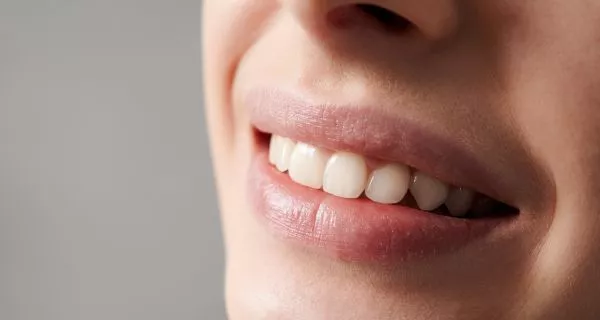
The word enameloplasty refers to procedures performed to change the shape of the tooth by removing a small portion of enamel: the hardest, outer, most translucent layer that covers the tooth.
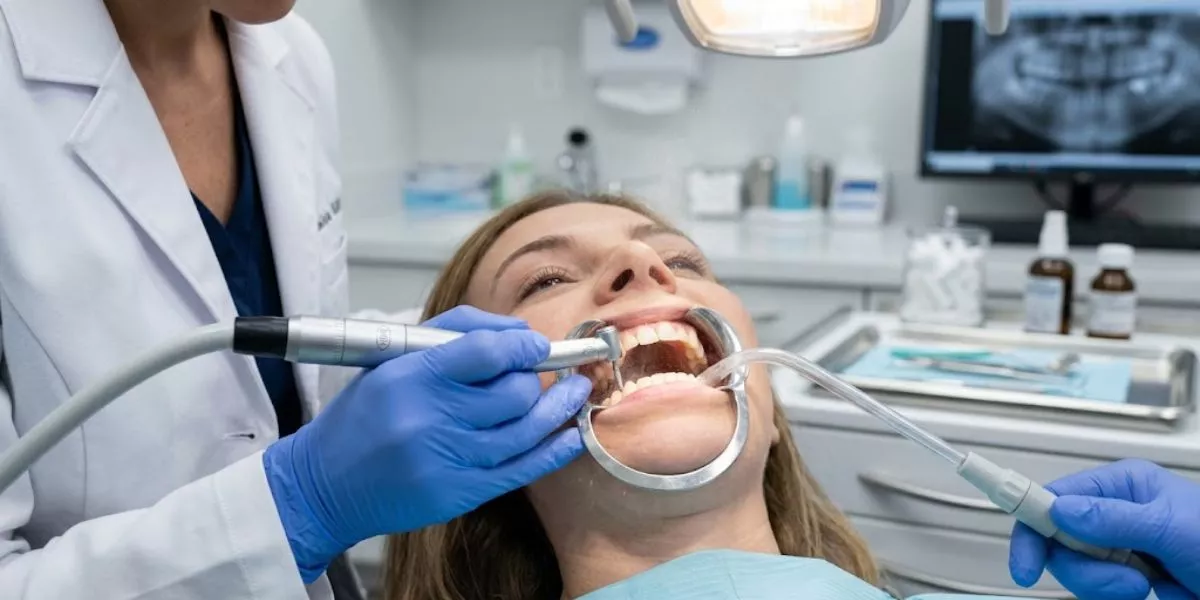
Enameloplasty must be performed by a dentist, using specialized instruments that guarantee that the shaving is controlled and does damage the teeth. After removing the necessary portion of enamel, the dentist will smooth and polish the treated surfaces.
In what cases do dentists file teeth?
Enameloplasty is indicated in very specific cases, so the dentist may suggest it after carrying out an adequate study of the situation. Dental shaving may be required for:
Smoothing edges
Elimination and correction of sharp points or edges that are hurting the tongue or the inside of the cheek.
Match the smile
Matching the height and edges of the teeth, modifying pointed teeth or unsightly shapes. Enameloplasty may only be when the shaving required is minimal.
Correction of dental crowding
If the teeth are too crowded and do not have enough space to accommodate the use of brackets, the orthodontist could choose to perform a very light shaving between the teeth, using strips or discs with abrasive materials.
Correction of minor bite problems
When upper and lower teeth don’t fit properly, there may be problems with bruxism (dental clenching or grinding), which in turn causes loss of shape of the teeth, headaches, and problems in the joint between the jaw and the skull.
In these cases, the dentist may suggest wearing down small areas that interfere when biting: a procedure called an occlusal adjustment or selective grinding.
Partial denture fitting
If some teeth have been lost and a removable partial denture (bridge) is chosen, the shape of the remaining teeth may need to be slightly modified to achieve a good dental fit, including the hooks and supports that support the prosthesis.
What are the risks and side effects of tooth shaving?
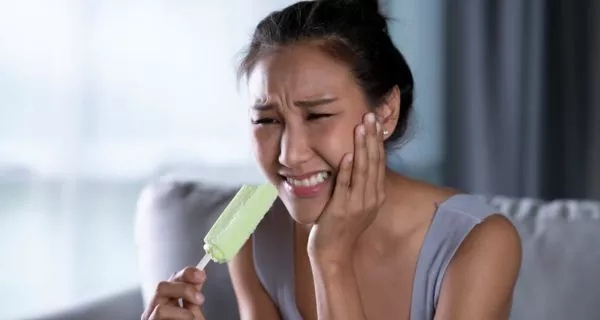
When you file your teeth, you are wearing away the most superficial layer, called enamel.
- Under normal conditions and when the procedure is performed by a dentist, the risks are minimal.
- However, dental shaving leaves the dental pulp (the most internal and sensitive part of the tooth) a little more exposed and can cause sensitivity when imbibing hot or cold drinks.
In addition, by becoming thinner, the enamel is more brittle, leaving it susceptible to fractures. Thus, greater care should be taken when biting down on hard foods.
What are the benefits of dental shaving when done by a dentist?
When dental shaving is prescribed by the dentist, it can have multiple benefits:
- elimination of sharp edges
- improvement of aesthetics
- increased space to achieve dental alignment
- proper fit of dentures
- occlusal balance (proper bite)
- relief of muscle pain due to bite problems
- decreased wear and mobility of the teeth as a consequence of dental grinding
Generally, the dental wear procedure does not cause significant pain. However, if the patient experiences discomfort, they can request the use of anesthesia.
In some cases, sensitivity may occur when drinking hot or cold drinks in the days after treatment, which will subside over time.
How much does in-office dental wear cost?
To know the exact value of this treatment, a dentist must perform an examination and determine the work required.
Each dental clinic has different fees, but as a rough estimate, light shaving on a single tooth costs between $50 and $300. If multiple tooth grinding is required to achieve occlusal balance in patients with bite problems, it can cost between $650 and $1500.
Why is it not advisable to wear teeth at home?
Given aesthetic considerations and the desire to improve the smile, the best course of action is to visit a dentist. A dental professional has specialized equipment for dental polishing and will control the maximum amount of enamel that can be removed without causing damage.
In addition, the professional will have the knowledge, practice, and manual dexterity for the procedure to be performed accurately.
When performing dental shaving at home, it is difficult to have full control, so complications can arise. Here are some reasons not to try to reshape your teeth at home:
Dental wear is not indicated for all patients
Some people already have their teeth worn down by clenching or grinding (bruxism), and shaving can cause irreversible damage to the dental pulp while generating a lot of pain. In these cases, the dentist may choose to apply materials to rebuild and match the shape of the teeth rather than shave them down.
Wearing the enamel excessively can cause problems
This layer of the tooth is only 2.58 mm thick, so the margin of error is very small. It is quite easy to make a mistake and remove more enamel than necessary, exposing the tooth to a greater risk of:
- cracking or fractures
- excessive tooth sensitivity.
- caries (holes in the teeth due to the presence of bacteria), by exposing the inner layer of the tooth (dentin) which is softer and more delicate.
- exposure of the dentin that can give a yellowish appearance to the tooth.
Higher cost in the long run
After filing tooth enamel, it does not grow back, contrary to what happens with hair or nails; so correcting the error of uncontrolled tooth wear can be expensive.
Planning is important
The dentist knows about the shape and proportions of the teeth and can provide advice on a smile design, allowing the patient to access more beautiful and harmonious results – according to the shape of their lips and face.
Occlusion may be affected
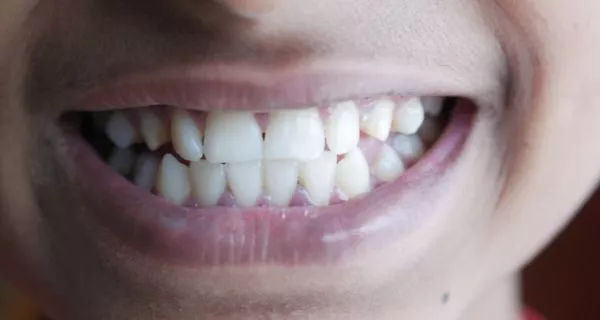
For the upper and lower teeth to fit together correctly (known in dentistry as harmonic occlusion), they need to maintain a certain shape. For example, the canines must retain their characteristic pointed shape to protect other teeth from being overloaded. As a result, shaving could cause bruxism or bite problems.
Friction with files, sandpapers or polishing motors can cause overheating of the tooth
The equipment used in the dental office to perform these procedures usually works at a low speed or uses water to cool the tooth, thus avoiding overheating due to friction, which could cause damage to the enamel, dentin or dental pulp.
Dental shaving is a simple procedure usually performed in the field of dentistry to solve aesthetic and occlusion problems.
Carried out by expert hands, it does not usually carry great risks or side effects. However, various techniques have been disseminated on social networks to create homemade smile designs through dental shaving.
They are not recommended due to the high risk of side effects and unwanted results. Therefore, visiting a dentist to solve aesthetic problems due to irregular or worn edges is the best option to achieve satisfactory, functional, aesthetic, and lasting results.