
Last Updated on: 4th June 2026, 11:17 am
It’s early morning. You shuffle into the kitchen, coffee in hand, and your toothbrush is sitting there waiting. And then comes the question that almost everyone has asked at least once: should you brush teeth before or after breakfast?
This is a common question in dental clinics. Some patients say, “Doctor, I can’t imagine eating without brushing first.” Others say, “I want to brush after so my mouth feels clean for the day.” Both perspectives make sense.
The key isn’t preference, it’s understanding what’s happening inside your mouth at that moment. Once you know how saliva, plaque, acids, and enamel interact in the morning, the answer becomes clear and logical.
What happens in your mouth while you sleep?
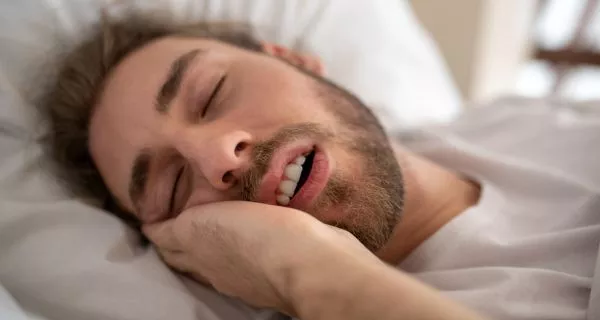
During sleep, saliva production drops significantly. Saliva is not just “spit.” It is your mouth’s natural defense system.
Saliva:
- Neutralizes acids
- Washes away food debris
- Contains minerals that help repair enamel
- Reduces bacterial growth
According to the American Dental Association (ADA, 2023), plaque bacteria are constantly forming, but reduced saliva during sleep allows them to multiply more rapidly. That’s why morning breath develops. It’s not just odor, it’s bacterial activity.
Brushing before breakfast removes that bacterial biofilm before you introduce sugars or acids into the environment.
What happens to enamel when you eat breakfast?
Many common breakfast items are acidic:
- Coffee (pH around 5)
- Orange juice (pH around 3–4)
- Yogurt
- Fruit smoothies
- Toast with jam
- Cereal
When enamel is exposed to acids, it undergoes temporary demineralization. This means the outer surface becomes microscopically softened.
The British Dental Journal (2022) explains that brushing immediately after acid exposure may increase enamel wear because you are brushing on a softened surface.
Think of enamel like wood. If it’s dry and strong, brushing (with a soft brush) won’t harm it. But if it’s been soaked and softened, friction can remove more material. That’s why timing matters.
Should you brush teeth before or after breakfast? (scientific perspective)

Brushing before breakfast (preferred)
Advantages:
- Removes overnight plaque
- Applies fluoride protection before acid exposure
- Stimulates saliva production
- Reduces bacterial metabolism of breakfast sugars
- Protects enamel from erosive wear
Fluoride works best when it is present on the enamel surface before acid attack. The WHO (2023) confirms fluoride toothpaste significantly reduces caries risk by enhancing remineralization.
In simple terms: you’re putting a protective shield on your teeth before exposing them to potential stress.
Brushing after breakfast (if you prefer)
If brushing after breakfast feels psychologically cleaner to you, that’s understandable. Many patients tell me they want that “fresh mouth” feeling before leaving home.
If you choose this option:
- Wait 30–60 minutes
- Rinse with water immediately after eating
- Avoid aggressive brushing pressure
- Use a soft-bristled toothbrush
The FDI World Dental Federation recommends avoiding brushing immediately after acidic intake to minimize erosive damage.
Does it affect cavities or just enamel?
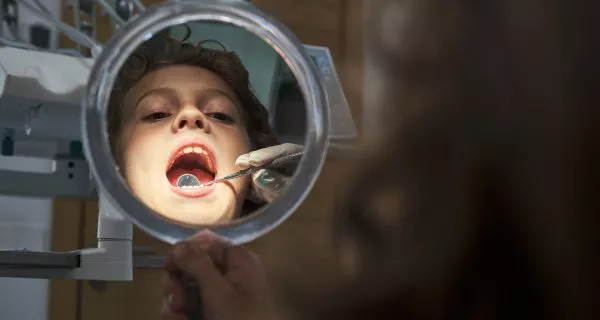
Great question. Brushing timing affects:
- Enamel erosion
- Sensitivity risk
- Long-term structural integrity
- Fluoride effectiveness
- Caries development (indirectly)
If you brush before breakfast, fluoride is already present when bacteria begin metabolizing sugars. That reduces acid production impact.
What does the latest research suggest?
- ADA (2023): Brush twice daily with fluoride toothpaste.
- FDI (2022): Delay brushing after acidic foods.
- Journal of Clinical Periodontology (2021): Acid exposure followed by brushing increases enamel erosion risk.
- WHO (2023): Fluoride is essential in caries prevention.
- Cochrane Review (recent fluoride studies): Fluoride toothpaste remains one of the most effective public health measures for preventing cavities.
There is strong consensus regarding fluoride use and erosion timing. There is no controversy about brushing twice daily, that is universally recommended. The only discussion point is timing relative to acid exposure.
What happens in special clinical situations when deciding when to brush?

When it comes to brushing before or after breakfast, the answer is not always the same for everyone. Certain dental or medical conditions can change what is safest for your enamel and overall oral health. If you fall into any of the following categories, timing your brushing routine correctly becomes even more important.
If you have sensitive teeth
Brushing before breakfast is safer. Brushing after consuming acidic foods or drinks can worsen sensitivity due to exposed dentin.
If you have acid reflux (GERD)
Morning acid exposure already weakens enamel. In these cases, you should:
- Rinse with water or baking soda solution
- Wait before brushing
- Use fluoride toothpaste
- Discuss reflux control with your physician
Acid reflux patients are at higher risk for erosion (Journal of Clinical Periodontology).
If you use whitening products
Whitening treatments can increase temporary sensitivity. Brushing on softened enamel may increase discomfort, so timing becomes even more important.
If you wear aligners (invisalign)
You must brush before reinserting aligners after breakfast. Trapped sugars under trays increase cavity risk.
What is the ideal practical morning routine?

Here’s a balanced routine many dentists recommend:
In the morning:
- Wake up.
- Brush with fluoride toothpaste for 2 minutes.
- Eat breakfast.
- Rinse with water.
- Chew sugar-free gum if needed.
- Avoid brushing immediately after acidic foods or drinks.
At night:
- Brush thoroughly.
- Floss.
- Do not eat afterward.
Night brushing is actually more critical than whether you brush before or after breakfast.
What common mistakes do dentists see in the clinic?
These are some of the most frequent mistakes observed in daily practice:
- Brushing aggressively right after drinking orange juice.
- Using hard-bristle toothbrushes.
- Skipping morning brushing entirely.
- Drinking lemon water daily and brushing immediately afterward.
- Believing mouthwash replaces brushing.
Remember: mouthwash does not remove plaque biofilm. Mechanical brushing is essential to effectively clean your teeth.
So, should you brush teeth before or after breakfast?
From a preventive and enamel-protection standpoint, brushing before breakfast is slightly safer and scientifically supported. But here’s something important: Consistency matters more than perfection.
- Brush twice daily.
- Use fluoride toothpaste.
- Floss daily.
- Maintain regular dental visits.
Those habits, done consistently, are what truly protect your smile in the long term. Visit WorldOfDentistry.org for more trusted, science-based oral health guidance.
This article is informative. Consult your dentist for personalized diagnosis and treatment.