Last Updated on: 17th April 2026, 08:56 am
We live in the age of viral beauty hacks. With the internet more accessible than ever, it’s easy to find advice on just about anything, including ways to whiten your teeth at home. But not everything presented online is true. Many viral trends are based on misinformation or made simply to attract views.
One of these trends is the use of gentian violet as a supposed teeth-whitening solution. Social media users are promoting it as a way to “color correct” yellow teeth.
Before you try it, understand the facts. In this article, we’ll explain what gentian violet really is, why it’s gone viral, and the risks it poses to oral health. We offer better and safer, dentist-approved alternatives for achieving a whiter smile.
What is gentian violet and what is it used for?
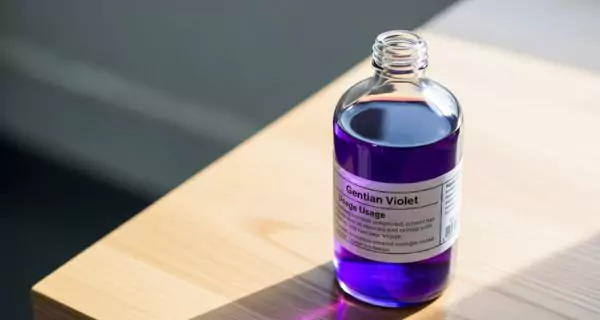
Gentian violet, also known as crystal violet, is a synthetic dye with antibacterial and antifungal properties. For decades, it was used in medical and laboratory settings, including:
- to treat oral thrush (candidiasis), especially in infants and immunocompromised patients
- applied to minor wounds, skin infections, and nipple thrush in breastfeeding mothers
- for gram staining in microbiology laboratories for cell identification
Critically, concerns about its toxicity and potential carcinogenicity have led to a steady decline in its medical use. Countries such as Canada, Australia, and Singapore have issued official warnings or restricted its availability. In the United States, California’s Proposition 65 lists gentian violet as a potential carcinogen and reproductive toxin.
Gentian violet was never designed for cosmetic dental use, and it has never been approved by any dental or health authority for such purpose.
Why is gentian violet being used for teeth whitening?
This trend started with a simple color theory idea. According to the color wheel, purple is the opposite of yellow, which means purple cancels out yellow.
This theory functions in hair care products: for example, someone who applies a blond color should use a purple shampoo to reduce yellow tones and maintain a light hair color.
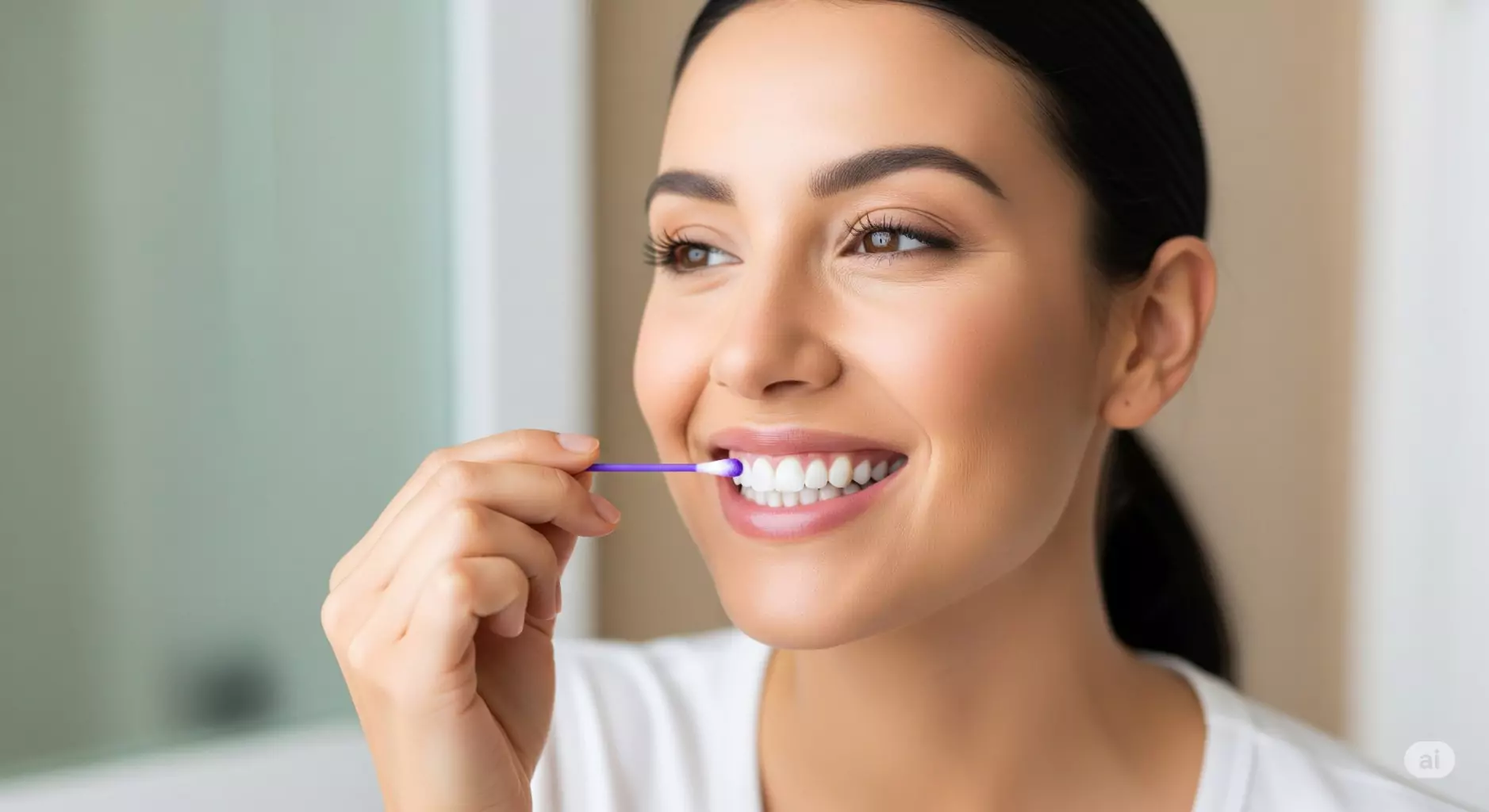
Based on this application, some people assume this would also work on teeth. So they:
- apply gentian violet directly to their teeth
- or mix it with toothpaste
- brush or rinse for a few seconds
- then post “before and after” videos online
Does gentian violet actually whiten teeth?
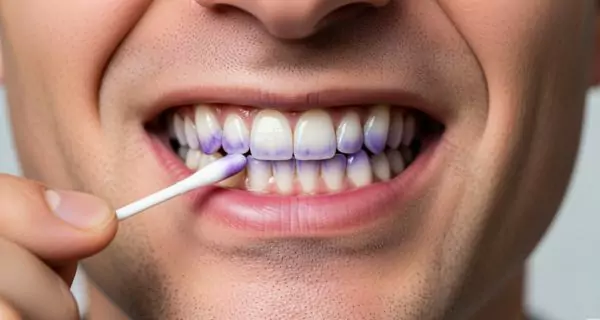
No, gentian violet doesn’t truly whiten teeth. But, if it doesn’t work, why do people see their teeth becoming more white? There is an explanation.
Gentian violet creates a temporary optical illusion. Its dark purple color masks yellow tones, making teeth look whiter for a short time.
But the truth is:
- there’s no real bleaching
- it doesn’t remove stains
- it doesn’t clean enamel
- the effect fades quickly once the dye wears off
Worse yet, it can leave new purple stains on enamel or gums. Many videos you see online use filters or lighting tricks to exaggerate the results.
It may seem impressive in videos, but the results are superficial, and the risks to your oral health are much more serious than any short-lived change in appearance.
Is gentian violet safe for your teeth and gums?
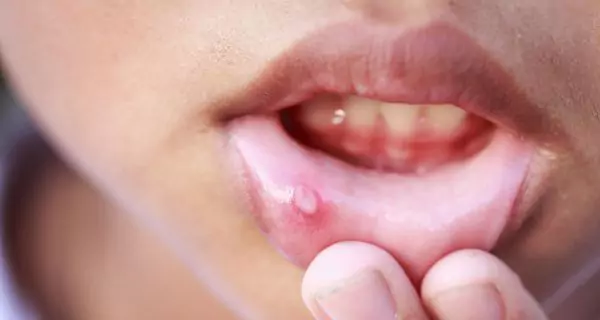
Not really. Gentian violet is a powerful chemical dye that was never formulated for contact with oral tissues. Using it in the mouth can lead to a range of serious side effects, including some that are irreversible.
What do the studies say?
Studies on animals have linked oral exposure to gentian violet with cancer risk, including liver, thyroid, and other types of tumors. As a result, several countries like Canada, Singapore, Australia, and others have issued official warnings or limited its use.
In the U.S., gentian violet is listed under California’s Proposition 65 list as a potential carcinogen and mutagen.
What are the reported side effects of oral use?
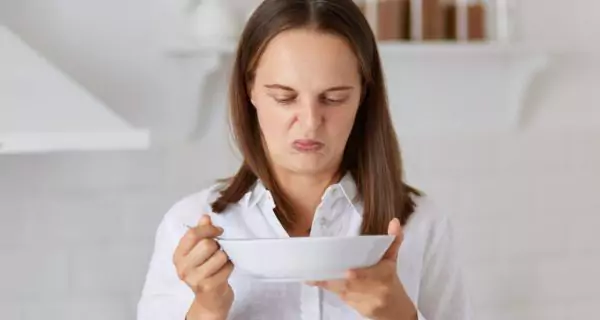
Using gentian violet in your mouth can lead to serious side effects. Documented reactions include:
- burning or stinging sensation on the gums or inside the cheeks
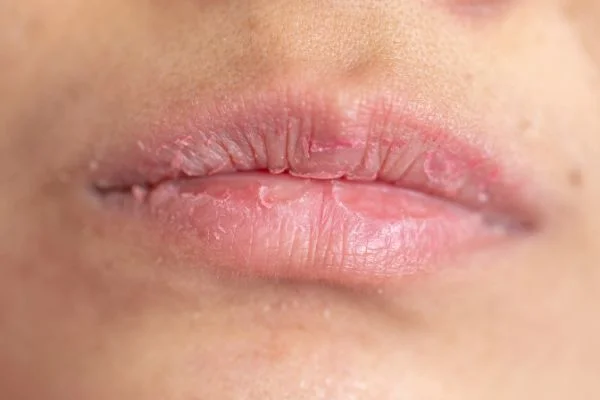
- inflamed or peeling tissue, and in some cases, painful ulcers
- purple stains that are very difficult to remove from enamel or mucosa
- changes in taste, including a lingering metallic sensation
- nausea, especially if any of the dye is swallowed
- enamel erosion or damage with repeated use
- in rare cases, tissue necrosis or even partial airway blockage due to swelling or irritation
These effects can occur even after a single use, especially if the dye is applied directly, used undiluted, or not rinsed off properly.
As you have seen, gentian violet may look like a quick fix on social media, but in reality, it can cause real and lasting harm.
Can gentian violet be dangerous for children?
Yes, gentian violet can be especially dangerous for children.
- Children have very sensitive oral tissues, making them more likely to suffer burns or irritation.
- Accidental swallowing of the dye can be toxic and has led to medical emergencies in infants.
- Because of these risks, it’s not approved for use in children under 12 years of age.
Teens are trying this trend after seeing it on TikTok or YouTube, often without telling their parents or understanding the danger.
If you’re a parent, it’s important to know that what seems like a harmless beauty trick online can actually harm your child’s mouth or even their health.
What to do if you’ve already used gentian violet

If you’ve experimented with gentian violet:
- Stop immediately.
- Rinse thoroughly with water or saline.
- Avoid hard brushing to prevent further irritation.
- Watch for symptoms: burns, swelling, purple stains.
- See your dentist if discomfort or staining persists.
Remember that using gentian violet is far more harmful than any cosmetic benefit it might offer.
What whitening alternatives are safer and effective?
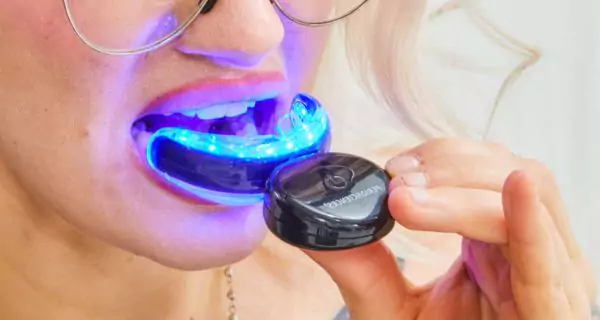
If you want a whiter smile, it’s important to avoid risky trends and choose methods that are safe, approved, and recommended by dental professionals.
Here are the best options:
Whitening toothpastes
These products contain gentle abrasives or low-dose peroxides that help remove surface stains without damaging enamel. Recommended brands include:
Over-the-counter whitening kits
These kits are widely available and easy to use at home.
- LED Whitening Kits (like MySmile or AuraGlow): use LED light and peroxide-based gel to brighten teeth gradually.
- Whitening Strips (like Crest Whitestrips): clinically tested and safe when used as directed.
Professional treatments
- Custom at-home trays: Your dentist creates custom-fit trays based on a mold of your teeth and provides a whitening gel with a safe concentration of carbamide or hydrogen peroxide.
- In-office bleaching: This method offers the fastest and most noticeable results. Performed under supervision, dentists use 10–35% hydrogen or carbamide peroxide in a controlled environment.
Professional treatments are safer and reduce gum irritation and sensitivity, with better and sometimes faster results.
Natural options
Some people try baking soda, activated charcoal, or even turmeric to whiten teeth naturally. However, these should only be used under dental supervision, as they can be abrasive and damage enamel if misused.
Before starting any whitening treatment, always consult your dentist. They can evaluate the condition of your enamel and recommend the best method for your smile with safety.
Talk to a dentist before you try any whitening trend
Your smile is worth protecting. Before trying any DIY whitening hack you see online — especially one involving a product that was never designed for cosmetic dental use — take a moment to consult a professional.
A qualified dentist can evaluate your enamel, identify the real cause of your tooth discoloration, and recommend a safe, effective whitening solution tailored to your smile. Don’t let a viral trend put your oral health at risk.
Book a consultation with a dental professional today and explore whitening options that are safe, proven, and right for you.